Learn when cannabis use may affect daily life, what treatment can involve, and whether a Yuba City IOP assessment could fit.

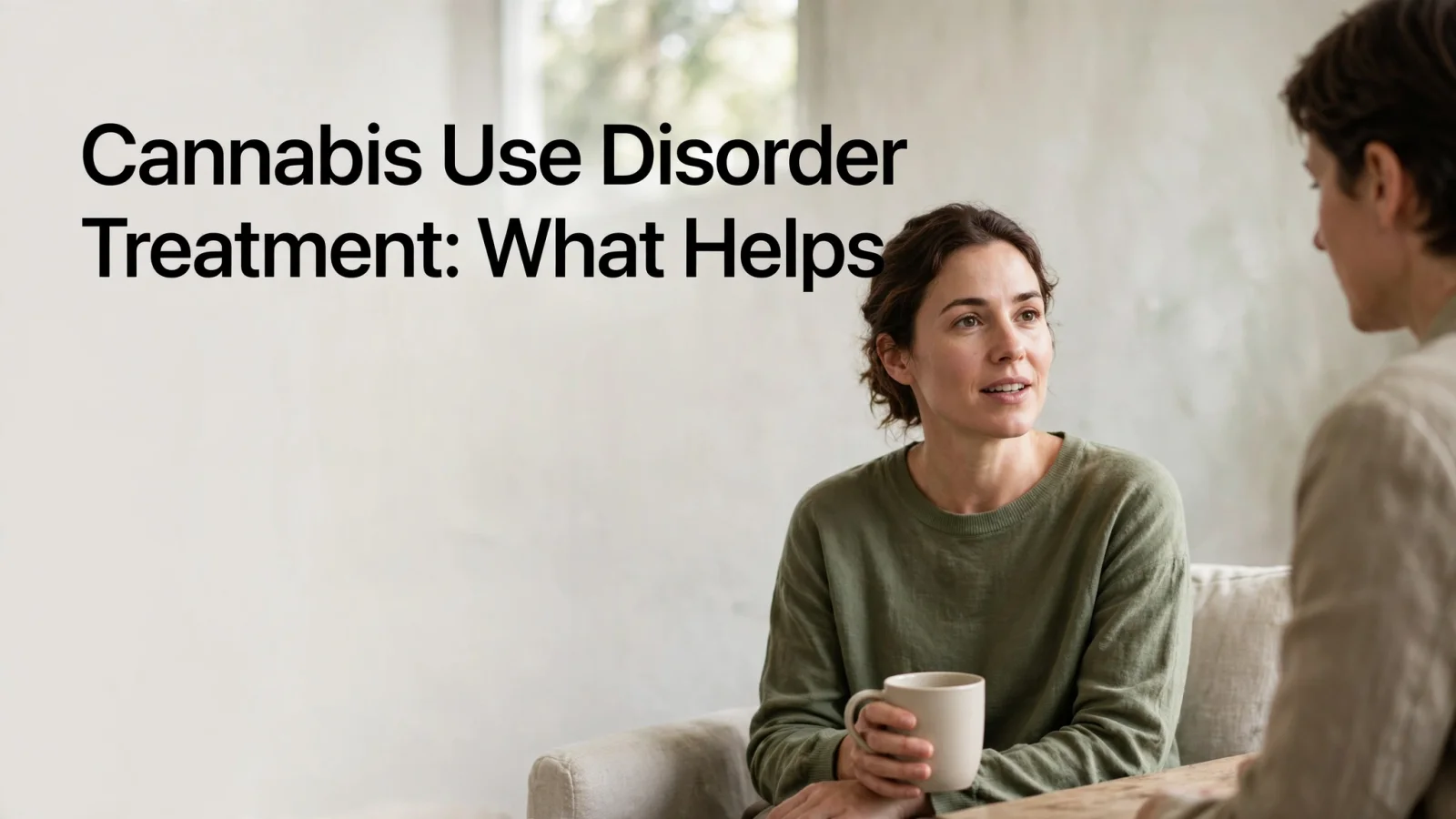
When cannabis use gets in the way of your work, home responsibilities, relationships, or sleep, it might be time to evaluate the habit. People often wonder if their frequency of consumption proves they have a problem. While frequency provides context, the clearest indicator of a problem is a negative impact on your daily life. Determining the right next step requires looking at those consequences and discussing them with a professional. For adults in Yuba City seeking cannabis use disorder treatment, Addiction Resource Center LLC provides an assessment-based entry point to help you understand your options and explore whether an intensive outpatient program fits your needs.
When Cannabis Use Starts Affecting Daily Life
A good starting point is to notice where cannabis use creates friction in your daily routine. The Centers for Disease Control and Prevention defines cannabis use disorder as being unable to stop using cannabis even when it causes health and social problems. The CDC also lists behavioral signs, including trying and failing to quit, craving cannabis, and continuing to use it despite problems.
Unsuccessful efforts to cut down often signal a deeper issue. A person might plan to use only on weekends, but return to daily consumption instead. Using more than intended in a single sitting also points to a loss of control, and cravings can grow strong enough to distract you from other responsibilities. Soon, acquiring, using, and recovering from cannabis take up a substantial amount of your time.
Consequences frequently surface in personal relationships and professional obligations. Missing work deadlines, neglecting home chores, or experiencing increased conflict with a partner are common outcomes. Valued activities often fall away entirely, as hobbies or family gatherings are dropped from your schedule to make room for cannabis use. Hazardous behaviors, such as driving under the influence, present another warning sign. Continuing to consume cannabis even after noticing it worsens a physical or psychological problem indicates that the habit has overpowered your decision-making. Ultimately, these signs serve as reasons to consider a professional assessment rather than a checklist for self-diagnosis.
Product types add helpful context to your situation, which is why clinicians ask about the form and strength of the cannabis you consume. High-THC products, including concentrates and certain vaping liquids, carry stronger intoxicating effects that elevate the risk of overconsumption and intense physical reactions. Potency alone does not confirm a disorder, but it gives providers a clearer picture of what your body is managing and what an attempt to quit might involve.

Understanding the Symptoms of Cannabis Withdrawal
Stopping cannabis use triggers a physical and mental adjustment period. Withdrawal symptoms are uncomfortable and often become the primary reason people return to the substance after trying to quit. Sharing these experiences with a clinician allows them to build a realistic care plan tailored to your physical responses.
The National Institute on Drug Abuse’s Marijuana Withdrawal Symptom Checklist is a 10-item self-administered questionnaire. Its items include craving, irritability, nervousness, depression, anger, restlessness, sleep problems, decreased appetite, strange dreams, and headaches. The checklist rates each symptom on a four-point scale from not at all to severe and combines the ratings into a total withdrawal discomfort score.
These symptoms make any change attempt difficult. A person might resolve to stop on a Monday, only to find that by Wednesday, a lack of sleep and intense irritability make returning to cannabis feel like the only available relief. Knowing that these reactions are temporary and expected helps you prepare for them, though they still require active management.
The CDC says cannabis use can cause disorientation and sometimes feelings of anxiety and paranoia, and that people who use cannabis are more likely to develop psychosis, which can include hallucinations and paranoia. It also says cannabis use is associated with suicidal thoughts, suicide attempts, and suicide. If you experience severe paranoia, hallucinations, or suicidal thoughts, prioritize personal safety and seek urgent crisis support or emergency medical care.

Behavioral Therapies and Treatment Approaches
When exploring cannabis use disorder treatment, behavioral care sits at the center of the process. Structured counseling helps patients understand the mechanics of their habits and builds new responses to old triggers. Clinicians then tailor these behavioral approaches to a person’s specific history, goals, and daily environment.
Cognitive behavioral therapy forms the foundation of many outpatient programs. This approach treats substance use as a learned behavior that a person can unlearn over time. A therapist helps identify the specific thoughts, feelings, and situations that trigger an urge to consume. After mapping out those triggers, the focus shifts to changing established patterns. That process might mean developing new ways to cope with Friday evening work stress without reaching for a vape, or learning how to tolerate a low mood without immediately seeking chemical relief.
Motivational interviewing and motivational enhancement therapy offer a different type of support by helping individuals explore their ambivalence about quitting. Rather than lecturing about the dangers of cannabis, a clinician asks questions designed to uncover personal reasons for wanting a change. Resolving that internal conflict builds the sustained motivation required to stick with a long-term treatment plan.
Some programs also incorporate contingency management, which provides tangible reinforcements like vouchers or small rewards when a patient meets agreed-upon clinical goals. While clinical studies show this positive reinforcement can encourage abstinence, the availability of such programs varies widely among local clinics.
Effective care also addresses the broader picture of your health. A SAMHSA lifespan advisory supports tailoring care to the individual, which includes evaluating co-occurring mental health concerns. Because anxiety, depression, and trauma often intertwine with substance use, treating the cannabis habit while ignoring an underlying panic disorder usually leads to frustration and relapse. A thorough treatment plan tackles both issues simultaneously.
Medication questions come up frequently during intake sessions. The National Institute on Drug Abuse states that no medication has FDA approval specifically for treating marijuana use disorder. While clinicians may prescribe medications to help manage specific co-occurring symptoms like severe insomnia or depression, no dedicated pill exists to cure cannabis dependence.
Evaluating if an Intensive Outpatient Program Matches Your Needs
Because an intensive outpatient program requires a commitment of time and energy, it is not the right starting point for everyone. An initial assessment serves as a formal decision point to determine if this level of care matches your needs. Think of this evaluation as an information-gathering session rather than an automatic admission into a specific track.
During the assessment, a clinician asks detailed questions to understand your unique situation. The conversation covers your use patterns, including the route of administration, the strength of the products, and the date of your last consumption. Providers will also ask about your cravings and any previous efforts to cut down or stop, to understand how cannabis affects your work, relationships, home responsibilities, sleep, and valued activities.
The dialogue expands to cover your broader medical and psychiatric history, where you can discuss past withdrawal symptoms, the use of other substances, and your current medications. To ensure a safe care environment, the clinician screens for co-occurring mental health symptoms and evaluates any immediate safety risks. They also gather details about your living situation, your available support system, and your specific goals for the future. Finally, scheduling matters because your work and family obligations need to allow you to attend multiple sessions each week.
Structured outpatient care works well when a person can participate actively in group and individual therapy without requiring round-the-clock medical supervision. The intake assessment guides that final decision. If the evaluation shows that withdrawal risks remain low and your home environment feels stable, an IOP might be the appropriate recommendation, whereas high safety concerns would prompt a referral to a more intensive level of care.

Yuba City IOP: In-Person and Telehealth Care
For adults in Northern California, Addiction Resource Center LLC provides structured local support. The facility offers a Yuba City intensive outpatient program featuring both in-person and telehealth options, creating the flexibility needed to integrate therapy into existing work and family schedules.
The facility’s Recovery Program page lists a typical schedule of 9 to 15 hours of programming per week, but prospective patients can check current schedules and available session times directly with the admissions team. The core curriculum includes cognitive behavioral therapy, motivational interviewing, trauma-informed care, and relapse prevention education. Throughout the program, clinicians develop individualized plans and conduct regular progress evaluations to ensure the care matches your evolving needs.
While Addiction Resource Center LLC treats substance use disorders broadly, their public materials do not outline a separate, standalone track exclusively for cannabis. Speaking with the admissions staff helps determine program fit and clarifies whether their current groups align with your primary recovery concerns.
Funding and coverage are also worth checking directly. The center advertises the acceptance of most major insurance plans and offers a TRICARE-approved IOP option. Before starting a program, check your specific benefits for required authorizations, network status, and potential out-of-pocket costs. Because telehealth coverage varies widely by policy, asking whether your plan covers remote sessions can help prevent unexpected billing issues.
For questions or to start the intake process, the center maintains a 24/7 phone and text line at 530-625-7910. However, this round-the-clock availability applies to the initial contact line rather than the clinical treatment services, which take place during scheduled program hours.
If an assessment indicates a need for a higher level of care, the team can recommend alternative pathways. Addiction Resource Center LLC partners with Ona Treatment Center in Browns Valley for detox and residential services, referring patients out for care they do not provide directly. This partner facility also offers medication-assisted treatment to support recovery from specific substances like opioids or alcohol, though it does not serve as a cannabis-specific treatment. While detox and residential care are rarely necessary for someone seeking help primarily with cannabis, the pathway exists for those with severe or complex clinical needs.
How Families Can Support the Next Step
Family members often see the daily impact of substance use long before the individual does. A constructive approach centers on clear communication and practical help rather than judgment. This helps keep the focus on supporting the person without micromanaging their treatment decisions.
Public health guidelines emphasize a person-led approach to family involvement. Loved ones can open a dialogue by describing specific, concrete changes they have noticed in recent months. Instead of making broad statements about someone changing for the worse, a relative might point out missed family dinners or a disrupted work schedule. Asking what kind of support the person would find useful keeps the conversation constructive. Offering practical help, such as finding a local assessment or driving to an appointment, works well when the individual wants that assistance. Family members support the process best when they leave clinical diagnoses and evaluations to trained professionals.
Successful care transitions require coordination, especially when a loved one steps down from a residential program into an outpatient setting. Practical continuity helps prevent relapse during these vulnerable windows. Before discharge from a higher level of care, confirming the exact date and time of the first outpatient appointment establishes a clear timeline. Families can also verify that the current care plan, including any medication schedules or safety protocols, transfers to the new outpatient team, so incoming clinicians have the information they need to continue care.
Taking the first step toward behavior change involves gathering accurate information and understanding the available clinical choices. For those ready to explore their options, Addiction Resource Center LLC provides the local assessments necessary to map out a clear path forward.
If cannabis use is affecting your daily responsibilities, relationships, or goals, professional support can help you regain control. Addiction Resource Center LLC offers in-person and telehealth intensive outpatient care in Yuba City. Call or text 530-625-7910 around the clock to ask about scheduling an assessment, verifying insurance coverage, and finding a treatment plan that fits your life. Visit sayarc.com to learn more.