Art Therapy Addiction Recovery: Expressive Paths to Healing
Reviewed by Tiffany Komba, LMFT (State of California LMFT #136055) on November 14, 2026
Published January 22, 2026
Contents
Addiction often silences the voice inside you.
When words fail, art speaks. Painting, drawing, and sculpting offer another way to process emotions and build awareness, alongside talk therapy.
How Art Therapy Can Support Recovery
Why Creative Work Can Help
Art therapy gives you a way to work with feelings that can be hard to put into words. Painting, drawing, or sculpting asks you to use your hands and eyes and focus on what is in front of you, which can pull your attention away from cravings or painful memories for a while. For many people, making something is a calmer way to start talking about what they feel.
A Complement to Talk Therapy
Art gives emotions an outlet that doesn't depend on finding the right words first. Anger, shame, and grief can show up on the page before you are ready to say them out loud. Reaching for a paintbrush or pencil when a hard feeling hits is also a practical choice you can rehearse, a pause between the feeling and an old habit. Art therapy is used alongside counseling and group therapy, not as a replacement for them.
Change Takes Practice
Change doesn't happen overnight. Like any coping skill, creative practice tends to feel more natural the more regularly you use it, especially when it is part of structured recovery support. The next sections cover what art therapy can help with and how qualified professionals guide it.
What Art Therapy Can Help With
Working Through Cravings
Cravings are a normal part of early recovery. Art therapy can give you something concrete to do while a craving rises and falls, and a way to look at what triggered it. Talking about the work afterward with a therapist can help connect those triggers to your relapse-prevention plan.
Practicing Emotional Regulation
Art therapy is a place to practice sitting with difficult feelings without acting on them. Over time, that practice can make it easier to notice anger, anxiety, or boredom before they turn into an urge to use.
A Safe Place for Hard Memories
Art can also give you a container for trauma, shame, and grief, which often sit underneath substance use. A trained therapist helps you go at a pace that feels safe. Art therapy is not a treatment for withdrawal; if you are going through withdrawal, talk to a medical provider.
Depression and Mental Health Improvements
Art therapy may also help ease depression symptoms for some people in recovery. You gain concrete coping skills during each session that you can use outside the studio, whether that means sketching when anxiety hits or using color and movement to process anger without substances.
Building Skills That Transfer Beyond the Studio
These skills tend to grow when you work with qualified professionals who understand both addiction recovery and creative practice. The next section explores how to find the right art therapist and fit art therapy into a treatment plan that addresses your specific recovery needs.
Building Your Art Therapy Recovery Team
Finding Therapists with Dual Expertise
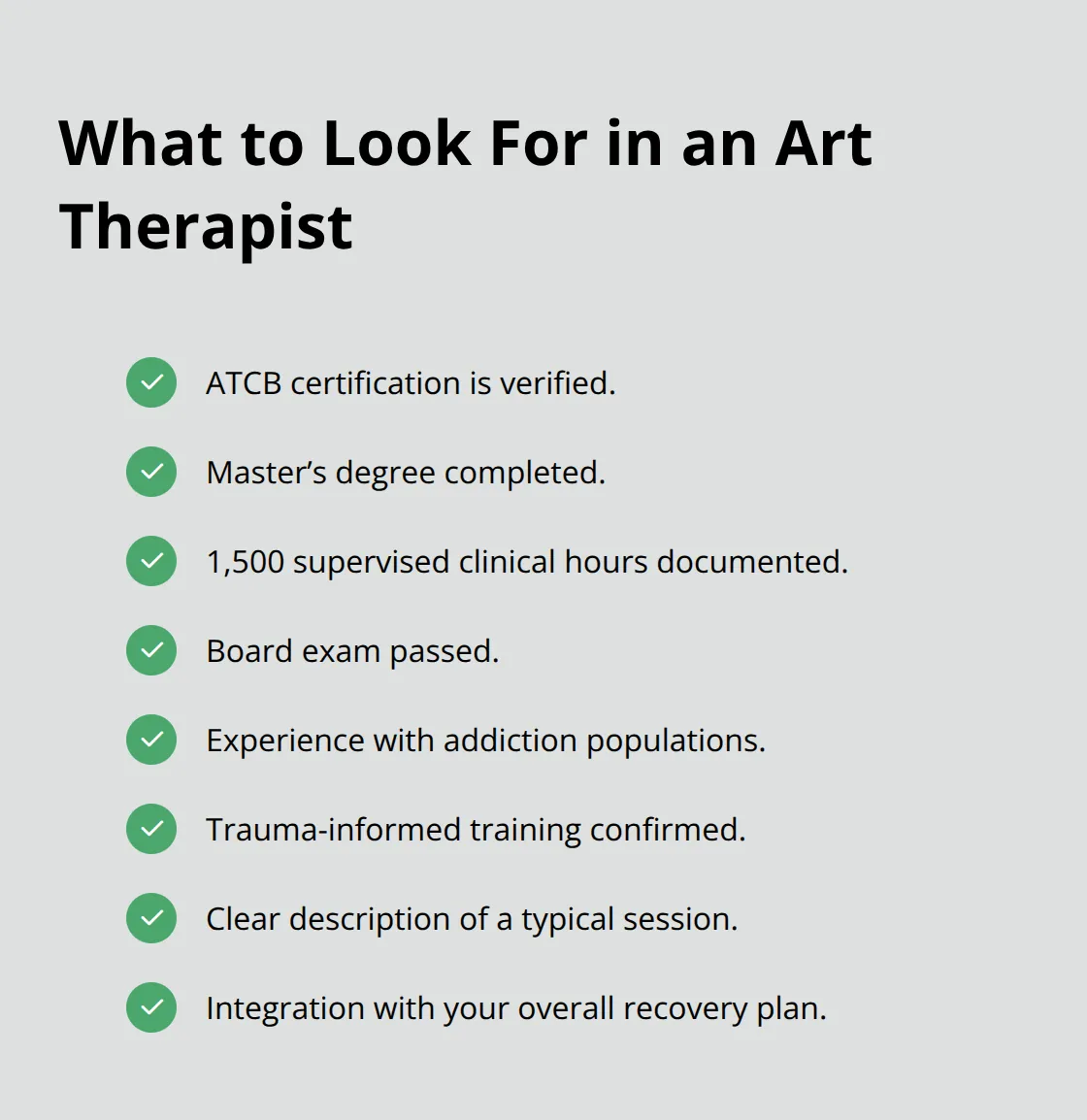
Art therapy works best when a qualified professional guides it, someone who understands both addiction recovery and creative practice. Not all art therapists have training in addiction work, and not all addiction counselors understand how to facilitate therapeutic art. Look for experience in both areas.
Look for therapists with Art Therapy Credentials Board certification combined with specific training in substance use treatment. When you contact a potential therapist, ask directly about their experience with addiction. Ask how many clients they've worked with in recovery, what a typical session looks like, and whether they've trained in trauma-informed care (since addiction and trauma often occur together).
Professional art therapy associations and credentialing boards can help you find qualified professionals and check credentials. Art therapy should sit alongside individual counseling and group therapy rather than being positioned as a standalone treatment. It often works best alongside evidence-based therapies such as cognitive behavioral therapy.
If your current treatment provider doesn't offer art therapy, ask them about it directly.
Designing Your Creative Space
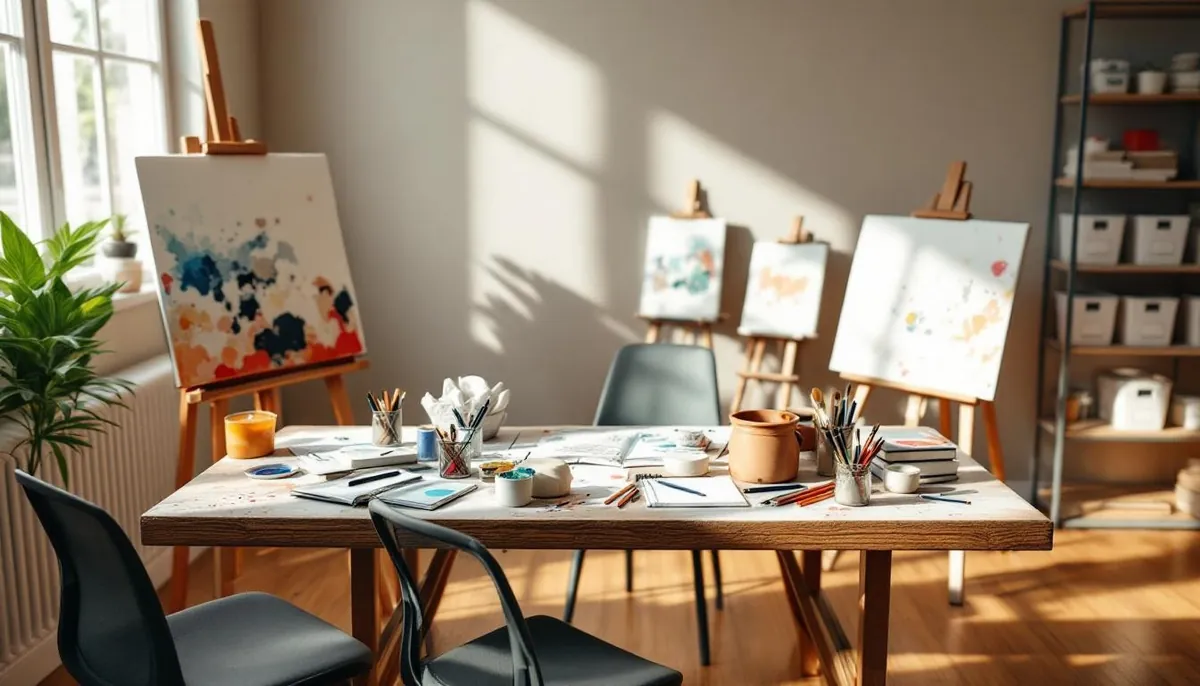
Art therapy doesn't require expensive studios or high-end materials. What it requires is privacy, consistency, and access to basic supplies like paint, clay, markers, and paper. Your therapist should maintain a dedicated space where you feel safe making mistakes without judgment. Many people enter recovery after years of perfectionism and shame, so a studio environment that explicitly welcomes messy, rough, unfinished work becomes part of the healing itself.
Ask your therapist about their studio setup and what supplies are available. Some facilities rotate themes or prompts for sessions, while others let you choose your direction entirely. Both approaches work, but you should know what to expect. If you work with a therapist outside a formal treatment center, confirm that materials are provided or clarify what you need to bring.
Establishing Consistent Sessions
Consistency helps. Scheduling sessions at a regular time makes creative work easier to rely on as a coping skill.
Ask how long sessions run. Some therapists encourage home art practice between sessions while others recommend keeping creative work contained to the therapy space. Clarify this expectation upfront so you understand how to use art in your daily life outside treatment.
Final Thoughts
Art therapy can add something useful to addiction recovery: a way to work with feelings that are hard to put into words. You've learned how creative work can support emotional regulation, how it may help with cravings and stress, and how to find qualified professionals who understand both creative practice and recovery.
Recovery takes time. Creating something tangible can build confidence when everything else feels uncertain, and the coping skills you practice in sessions can carry into daily life.
Starting art therapy requires one decision: to reach for a paintbrush instead of waiting for the next crisis. You don't need artistic talent or previous experience—you need a qualified therapist, a consistent schedule, and willingness to let your hands express what your words cannot.
If you or someone you love is in crisis or thinking about suicide, call or text 988. In an emergency, call 911.
Learn more about our outpatient addiction treatment services, or contact Addiction Resource Center.
Talk with us
Addiction Resource Center offers intensive outpatient treatment (IOP) for adults 18+ at our Yuba City office or by telehealth. If you need detox or residential care first, we coordinate it with our partner, Ona Treatment Center in Browns Valley, CA. Call or text 530-625-7910.
Check my insurance