Discover proven tools to stay sober with practical strategies for building consistent recovery habits and maintaining long-term sobriety success.


Staying sober requires more than willpower alone. It demands concrete strategies, daily practices, and genuine support from people who understand your journey.
At Addiction Resource Center, we’ve seen firsthand that the tools to stay sober work best when combined into a personalized plan. This guide walks you through proven habits, support systems, and practical techniques that help people maintain long-term recovery.
Daily Habits That Build Lasting Sobriety
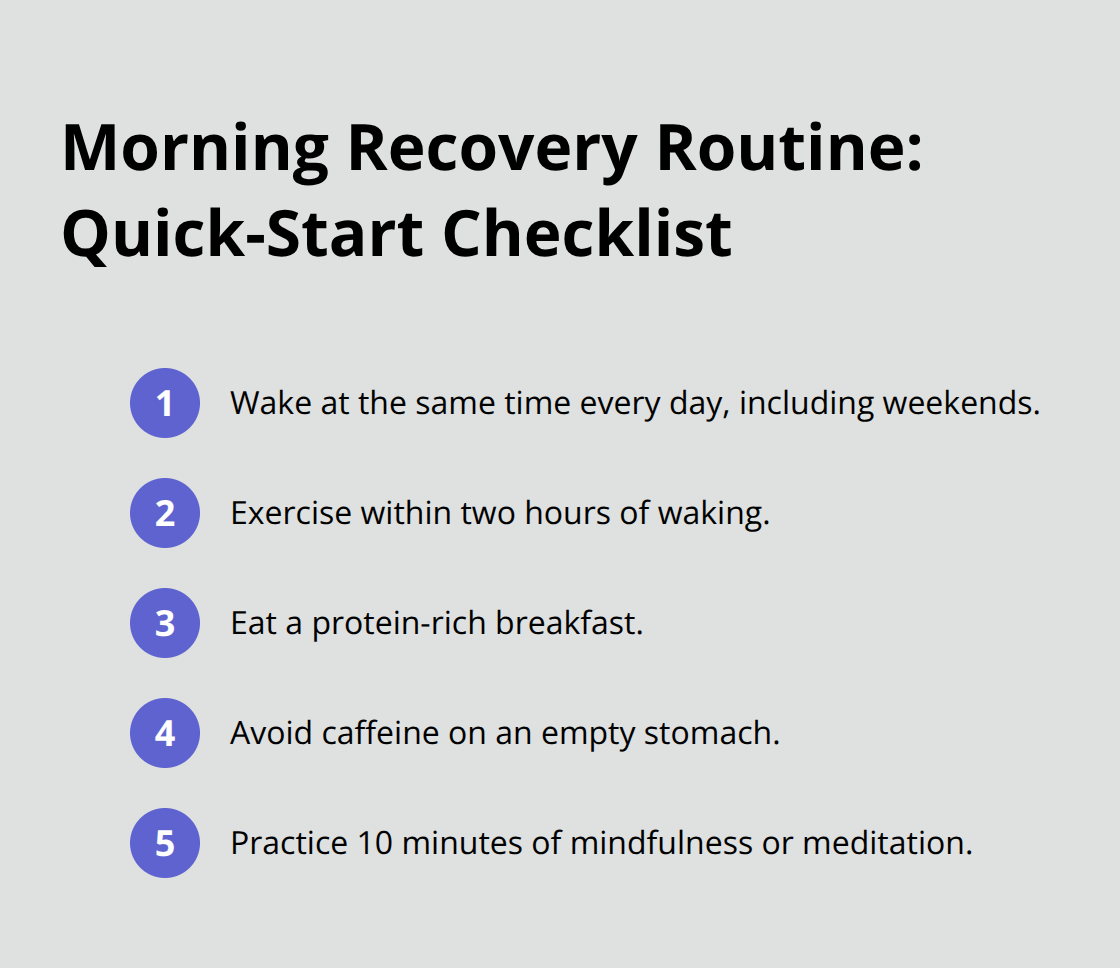
Your morning sets the tone for your entire day in recovery. A structured routine removes decision fatigue and creates immediate wins before temptation surfaces. Wake at the same time each day, including weekends, because irregular sleep patterns directly correlate with relapse risk. Exercise within two hours of waking-a 20-minute walk, yoga, or weight training all work-since physical activity immediately reduces cravings and stabilizes mood. Regular exercise lowers relapse risk by improving stress resilience and sleep quality.
Fuel Your Body Right
Eat a protein-rich breakfast to stabilize blood sugar, which prevents the irritability and fatigue that fuel urges to use. Avoid caffeine on an empty stomach, as it spikes anxiety and makes you more vulnerable to triggers. Nutrition matters more than most people realize-deficiencies in magnesium, B vitamins, and omega-3 fatty acids amplify anxiety and depression, which are primary relapse triggers. Track what you eat for two weeks to identify gaps, then supplement intentionally.
Start With Mindfulness
Spend ten minutes on mindfulness or meditation before checking your phone or engaging with others. This single practice rewires your brain’s response to stress and strengthens your ability to sit with difficult emotions without acting on them.
Why Consistency Beats Intensity
The first 90 days demand non-negotiable daily structure. Your brain needs predictability after addiction rewired it for chaos and dopamine spikes. A consistent routine replaces that neurological craving for excitement with reliable, sustainable rewards.
Set specific times for meals, exercise, meditation, and sleep, then treat these like medical appointments you cannot reschedule. When life gets hectic, this structure becomes your anchor instead of an obstacle. Physical exercise should feel non-negotiable within 24 hours of waking because the neurochemical benefits fade quickly. You need daily dopamine regulation, not weekly bursts of intensity that leave you vulnerable on off days.
Your support system plays an equally vital role in maintaining these daily habits, especially when motivation wanes or obstacles emerge.
Building Your Support Network
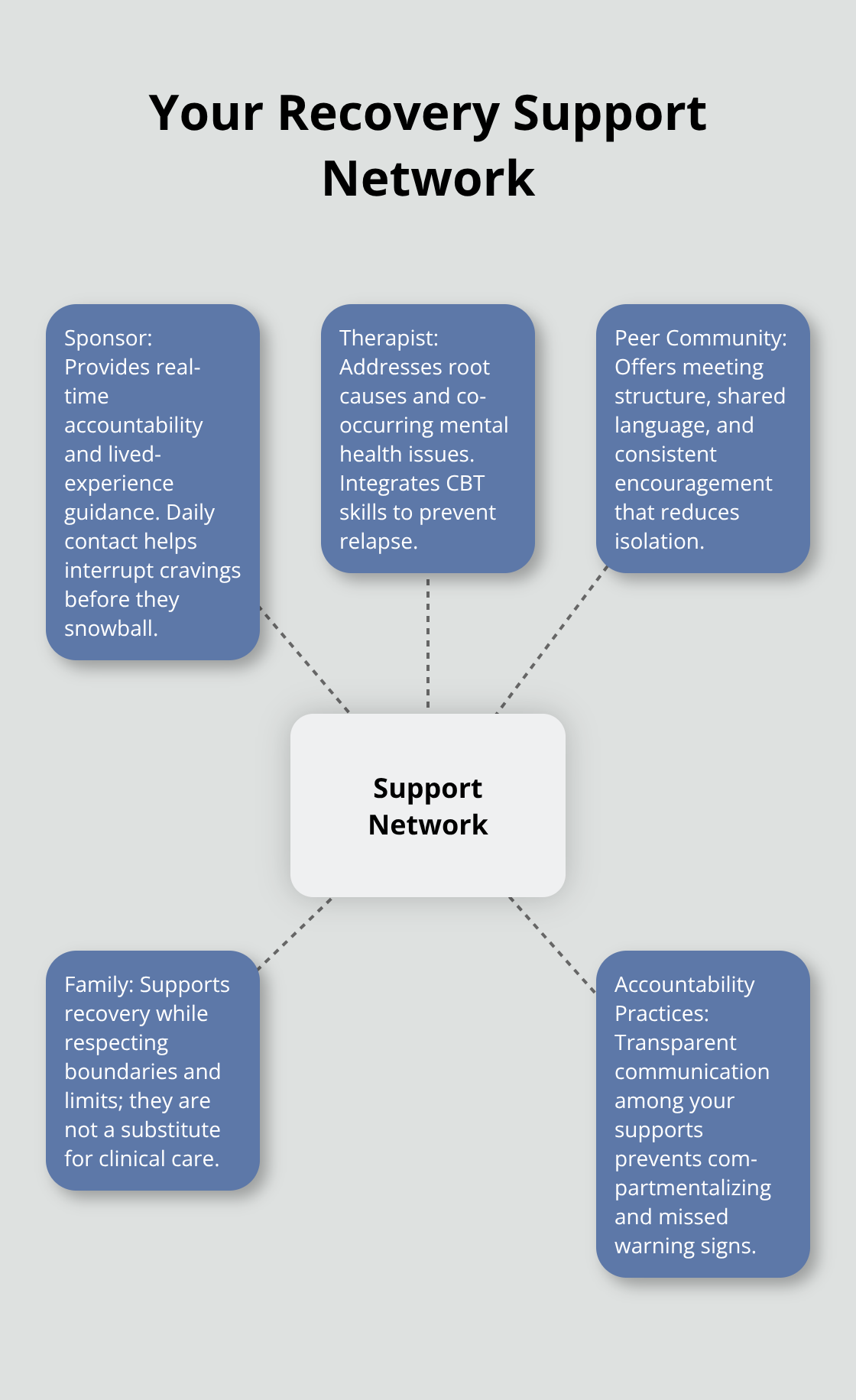
Your daily habits mean nothing without people who understand addiction and will call you out when you slip toward old patterns. Isolation kills sobriety faster than almost any trigger, which is why you need multiple layers of support operating simultaneously. Most people fail in recovery because they rely on willpower alone or depend entirely on one person-usually a family member who lacks training in addiction dynamics. You need a sponsor from a 12-step program, a therapist who specializes in addiction, and a peer support community, all working together. Alcoholics Anonymous reports that members who attend meetings regularly and work with a sponsor have significantly better outcomes than those who go it alone. Active participation in peer support groups correlates directly with lower relapse rates according to evidence-based recovery practices.
Finding a Sponsor Who Actually Holds You Accountable
A sponsor is not your friend-they are your accountability mirror. Choose someone with at least one year of continuous sobriety who has worked through the 12 steps themselves and lives a life you actually want to replicate. Contact your sponsor daily, not weekly. This daily contact matters because cravings and emotional spirals develop quickly, and a brief call can redirect your entire day. Your sponsor should answer your phone at 2 a.m. when you are struggling, and you should answer theirs when they need you.
Avoid selecting a sponsor of the opposite sex if you have a history of using relationships as escape routes, because emotional entanglement clouds accountability. When your sponsor tells you to go to a meeting instead of handling something alone, that is the moment the relationship proves its value. Too many people choose a sponsor they like rather than one who will be brutally honest about their behavior. The brutally honest version works.
Professional Therapy Separate from Your Sponsor
Your therapist serves a completely different function than your sponsor. A therapist helps you understand why you drank or used-the trauma, the family patterns, the unprocessed grief-while your sponsor helps you stay abstinent today. Many people skip therapy because they think meetings and a sponsor are enough, but this approach leaves the root causes of addiction untouched. Cognitive Behavioral Therapy shows strong results for relapse prevention because it teaches you to recognize thought patterns that lead to cravings before they spiral into action. Your therapist should know your complete history, your mental health diagnosis if you have one, and any medications you take. If your therapist does not ask about your support group attendance or your daily recovery practices, find a different therapist. The integration matters.
Why Family Support Has Limits
Your family can support your sobriety, but they cannot treat your addiction because they are emotionally invested in the outcome and often carry their own guilt or blame about your substance use. A trained addiction counselor or therapist brings objectivity and clinical expertise that family members simply cannot provide. This separation protects both your recovery and your relationships. Your family members benefit from their own support-Al-Anon or Nar-Anon groups exist specifically for loved ones of people in recovery-so they can process their own pain without burdening your sobriety work.
Building Accountability Into Your Daily Life
Contact your sponsor, attend your meetings, and show up for therapy appointments with the same non-negotiable commitment you give to your morning routine. These three elements (sponsor, therapist, peer community) create redundancy so that when one relationship hits a rough patch or someone is unavailable, your recovery does not collapse. The people in your recovery circle should know each other exists, even if they do not interact directly. Your sponsor knows you see a therapist. Your therapist knows you attend meetings. This transparency prevents you from compartmentalizing your recovery or hiding relapse warning signs from any single person.
The tools you build with your support network-the coping strategies, the emergency contacts, the honest conversations-only work when you actually use them during high-risk moments, which is why identifying your personal triggers and developing concrete responses matters more than having a perfect support system on paper.
Practical Tools and Strategies for High-Risk Situations
The difference between someone who stays sober and someone who relapses often comes down to one skill: identifying what actually makes you want to use before the craving hits. Most people think triggers are obvious-a friend who uses, a bar, a specific time of day-but the real culprits hide deeper. Research on relapse patterns shows that common triggers include emotional variables such as instant gratification, perceived irreplaceability, separation anxiety, and FOMO. The problem is that these emotional states feel normal until they escalate into an overwhelming urge.
Map Your Personal Triggers With Brutal Honesty
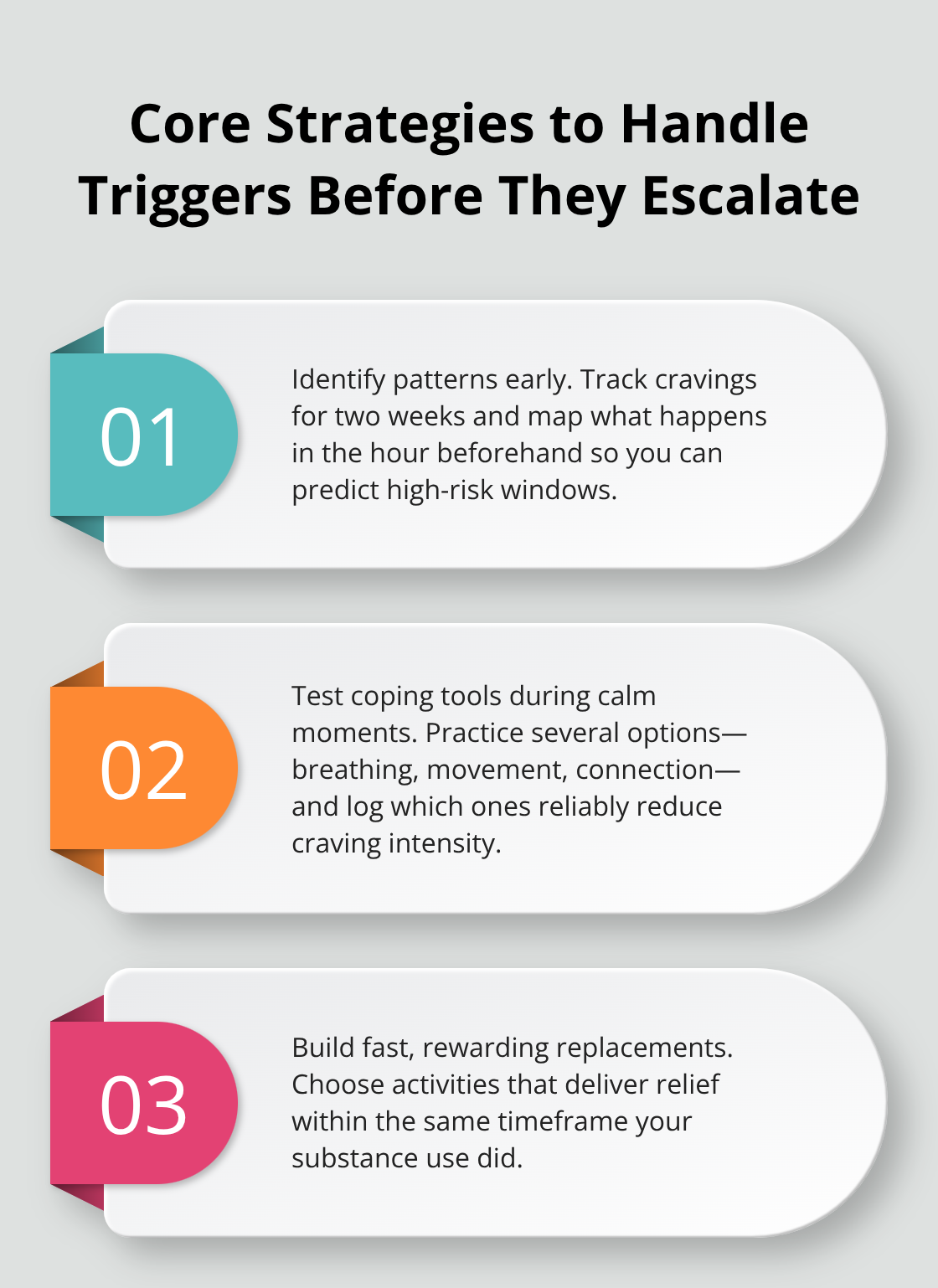
You need to identify your personal triggers with brutal honesty, not with what you think should trigger you. Spend two weeks writing down every moment you felt a craving, no matter how small, and what happened in the hour before it struck. Patterns will emerge-maybe Tuesday afternoons hit hard because that is when you used to meet a specific person, or maybe Sunday evenings trigger you because of family dynamics. Once you identify these patterns, you stop being surprised by them.
Surprise is what kills sobriety because you react impulsively instead of executing a plan. The abstinence violation effect, a concept developed by G. Alan Marlatt, explains that when a lapse occurs without a prepared response, the emotional reaction-shame, guilt, hopelessness-often leads directly to full relapse. Preparation prevents this spiral. If you know Tuesday afternoons are dangerous, you schedule something non-negotiable that day: a therapy appointment, a meeting, exercise, or a call with your sponsor.
You do not leave that time empty and hope willpower carries you through.
Test Your Coping Strategies During Low-Stress Moments
Generic relapse prevention strategies fail because they ignore what actually works for your specific brain and circumstances. One person finds relief through intense exercise; another person needs quiet time alone with meditation. One person calls their sponsor; another needs to attend a meeting immediately. The key is testing different responses during low-stress moments so you know exactly what works when a real crisis hits.
If stress triggers your urges, experiment now: try deep breathing for five minutes, take a cold shower, do thirty push-ups, call someone, go for a drive. Track which response actually reduces the craving intensity, not which one sounds good in theory. Some people need to remove themselves from their environment entirely-leaving the house, going to a different room, driving to a coffee shop. Others need distraction: a specific playlist, a video game, a creative project. Some need connection: texting multiple people, attending an unexpected meeting, sitting in a coffee shop surrounded by others.
The worst time to figure out what works is when you are already in crisis mode. Your sponsor and therapist should know your specific coping strategies and can remind you which one worked last time when your brain is foggy with cravings.
Use Technology to Track Patterns and Build Accountability
Technology offers concrete tools here: apps like I Am Sober or Nomo track your daily sobriety and send reminders when you approach high-risk times based on your logged patterns. These apps turn abstract commitment into visible progress-seeing a counter at 47 days sober matters to your brain differently than just feeling it. Some programs offer accountability through extended treatment options, removing financial barriers that prevent people from getting back on track immediately after a setback.
Build Replacement Behaviors That Produce Real Reward
Stopping a behavior leaves a void that your brain will work overtime to fill, which is why simply removing alcohol or drugs without replacing them with something equally rewarding leads to relapse. Your brain does not care whether it gets dopamine from a drink or from running-it just wants that hit. The replacement behavior needs to produce a similar intensity of reward or distraction within the same timeframe.
If you used drugs for 30 minutes to escape stress, you need a replacement that works within 30 minutes, not something that takes an hour to show benefits. High-intensity exercise works because it floods your system with dopamine and endorphins quickly, which is why people in early recovery often become obsessed with the gym-their brain recognizes the chemical similarity to their previous substance use. Creative outlets like music, writing, or art work because they engage the same reward centers.
Some people build replacement rituals: a specific coffee shop visit at the time they used to use, a phone call to their sponsor, a structured hobby like woodworking or painting. The ritual matters as much as the activity because addiction often involves the routine and habit loop, not just the chemical. Replacing that loop with a new one that produces genuine satisfaction prevents the void from pulling you backward.
Final Thoughts
Sobriety takes root through daily choices, consistent practices, and genuine relationships with people who understand your fight. The tools to stay sober work because they address three pillars of lasting recovery: structure, support, and self-awareness. Your morning routine anchors your day, your sponsor answers your phone at 2 a.m., your therapist helps you understand the patterns beneath your cravings, and your coping strategies activate before crisis hits.
What separates people who maintain sobriety from those who relapse is not willpower or motivation-it is preparation. You know your triggers before they ambush you, you have tested responses ready to deploy, and you show up to meetings and therapy appointments even when you feel fine, because consistency prevents the emotional and mental stages of relapse from ever reaching the physical stage. Recovery is unique to each person, which is why a personalized plan matters more than following someone else’s blueprint.
We at Addiction Resource Center understand that recovery requires more than willpower alone. We provide personalized addiction therapy, substance abuse counseling, and mental health support tailored to your specific needs, and our experienced team works with you to develop the concrete strategies and support systems that make lasting sobriety possible. Contact Addiction Resource Center to learn how we can support your journey toward lasting recovery.