Discover powerful motivational quotes for overcoming addiction and practical strategies to strengthen your recovery journey today.

Motivational quotes can feel like a lifeline when addiction recovery feels overwhelming. Words from others who’ve walked this path remind you that change is possible, even on your hardest days.
At Addiction Resource Center, we’ve seen how the right message at the right moment can shift someone’s perspective. But quotes alone won’t get you sober-they work best alongside professional treatment and real action.
Why Quotes Work When Everything Feels Impossible
Motivational quotes interrupt the cycle of shame and hopelessness that keeps people trapped in addiction. When your brain floods with cravings or withdrawal symptoms, a single sentence from someone who survived can reset your thinking. SAMHSA data shows that 18.2 million Americans needed addiction treatment but didn’t receive it, often because they couldn’t see a path forward. Quotes work because they’re immediate, portable, and require no appointments-you can read one on your phone at 3 AM when cravings strike hardest.
Matching Quotes to Your Stage of Recovery
The Transtheoretical Model of Change identifies five stages of recovery, and quotes function differently at each one. During contemplation, when you’re still weighing whether to quit, a quote that acknowledges ambivalence without judgment keeps you engaged. During action, when you’re actively fighting cravings, a quote about perseverance reinforces that struggle is temporary. The key is matching the right message to your current readiness level, not just grabbing whatever feels inspiring.
How Your Brain Responds to Meaningful Words
Positive affirmations activate the same neural pathways that addiction hijacked. When you repeat a phrase that aligns with your values, your brain starts believing it’s possible.

Self-Determination Theory shows that motivation increases when three conditions are met: autonomy (you choose the change), competence (you believe you can do it), and relatedness (you feel connected to others). A quote like “I was worth recovery” by Demi Lovato hits all three because it’s your choice to accept it, it’s achievable, and it connects you to someone else’s lived experience.
Strategic Placement for Maximum Impact
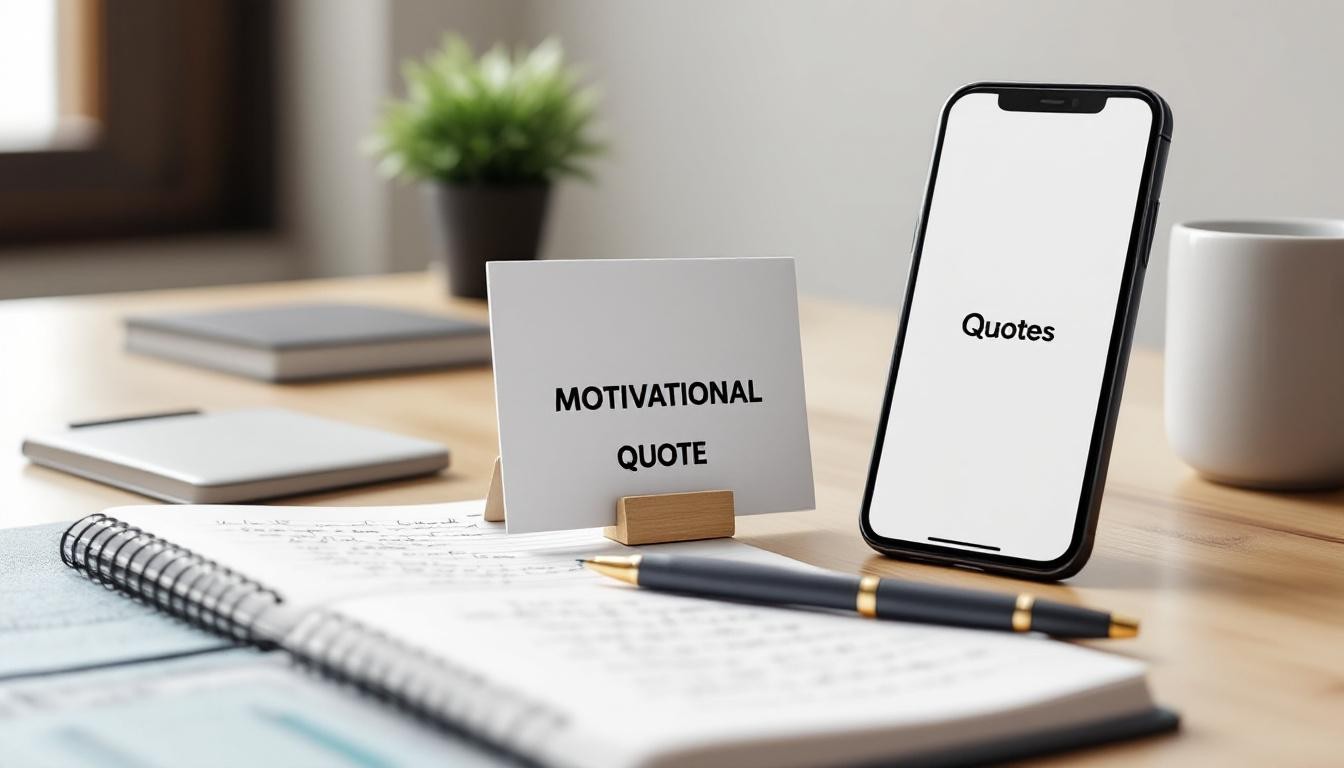
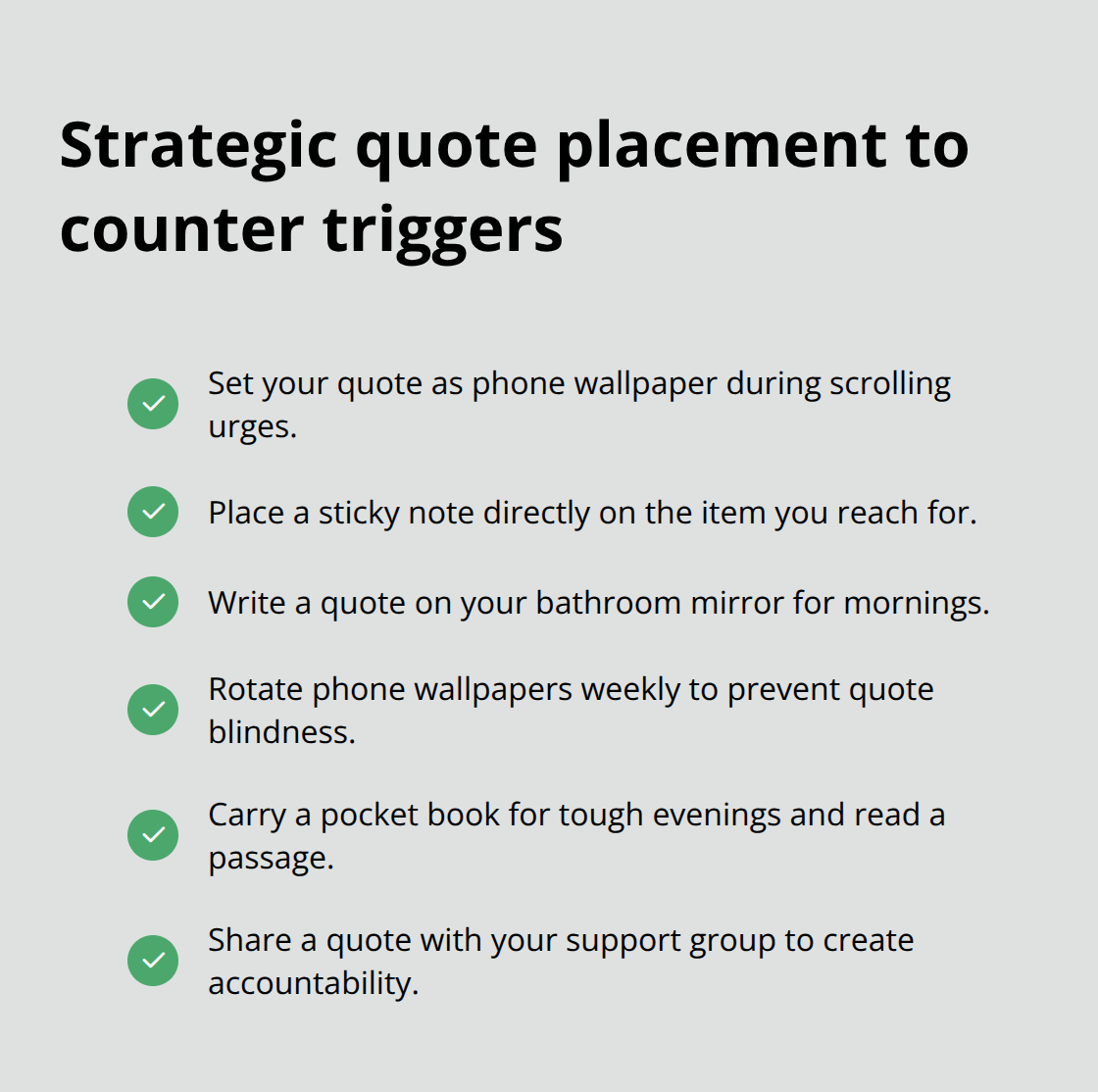
The practical application is straightforward: place quotes where cravings and triggers typically hit. If you drink when scrolling your phone, make a quote your phone wallpaper. If triggers happen in the morning, write one on your bathroom mirror. If evenings are hardest, carry a book like Marcus Aurelius’s Meditations for those difficult nights.
Words matter in clinical settings when paired with professional support.
Why Words Alone Fall Short
Quotes create mental shifts, but they work best when paired with concrete action and professional support. The next section explores how to build a daily routine that transforms these words into sustainable recovery habits.
Building a Daily Quote Practice That Actually Works
Start Your Morning With Intention
Wake up before checking your phone and spend two minutes reading a single quote that matches your current recovery stage. If you’re in contemplation, select something that acknowledges difficulty without demanding perfection. If you’re in action, pick a quote about persistence. This isn’t about feeling inspired-it’s about creating a mental anchor before the day’s triggers arrive. Research on habit formation shows that morning routines stick better than random moments throughout the day because your brain has fewer competing demands. Write the quote on paper and keep it visible while you eat breakfast. This forces your eyes to land on it multiple times instead of treating it as background noise. The goal is repetition, not revelation.
Redesign Your Physical Space
Weaponize your environment against cravings. If you drink when bored in the evening, write a quote on a sticky note and place it directly on the item you reach for-your liquor cabinet, your phone, your bedroom door. If mornings trigger you, write one on your bathroom mirror. The Transtheoretical Model shows that environmental cues shape behavior, so you’re not fighting willpower alone-you’re redesigning what your eyes see. Some people photograph quotes and rotate them as their phone wallpaper weekly to prevent them from becoming invisible background. Others join recovery-focused support groups where members share quotes that hit during difficult moments, creating accountability and discovering messages that resonate with their specific stage of change.
Activate Your Support Network
Structured support networks increase treatment continuation rates, and sharing quotes with your group transforms them from passive words into conversation starters about values and commitment. Tell your sponsor, therapist, or trusted friend which quotes you’re using and why. When they see you struggling, they’ll know exactly which words to repeat back to you. This turns quotes into a shared language between you and your support system, making them harder to dismiss when cravings push back. Your next step involves understanding which mistakes people make when they rely too heavily on quotes without pairing them with professional treatment-a critical distinction that separates temporary motivation from lasting recovery.
Common Mistakes When Relying on Quotes for Recovery
Quotes inspire, but they don’t treat withdrawal, manage co-occurring mental illness, or address the neurobiology of addiction. People arrive with phone wallpapers full of motivational messages and zero days sober, still trapped because they skipped the medical and psychological interventions that actually rewire brain chemistry. The National Institute on Drug Abuse confirms that addiction changes dopamine regulation and decision-making circuits-changes that require evidence-based treatment like cognitive behavioral therapy, medication-assisted treatment, or structured counseling to reverse. A quote about resilience won’t stabilize someone experiencing acute anxiety or depressive episodes that fuel cravings. If you use quotes to avoid calling a treatment provider, you choose delay over recovery.
Professional Treatment Addresses What Quotes Cannot
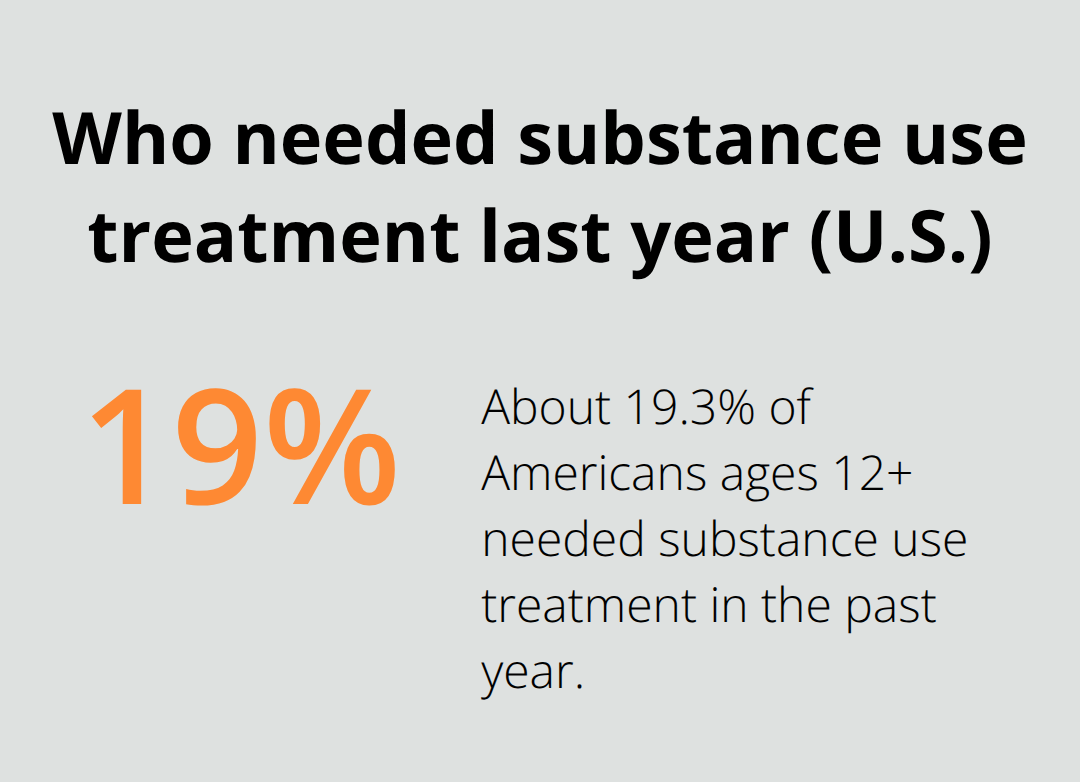
The hard truth emerges from SAMHSA data: about 19.3% of people aged 12 or older needed substance use treatment in the past year, but many convinced themselves that daily affirmations and inspirational reading would substitute for professional care. They didn’t. Quotes work best as a supplement to treatment, not as treatment itself.
This means scheduling an intake appointment with a licensed addiction counselor or therapist before expecting motivational messages to carry you through the first month. Withdrawal symptoms, medication needs, and underlying mental health conditions all require clinical intervention that no quote can provide.
Inspiration Without Action Leaves You Stuck
Reading that you can overcome addiction and actually overcoming it are different paths. People spend weeks rotating inspiring quotes through their day while continuing the same routines, relationships, and environments that fuel substance use. The Transtheoretical Model shows that the Preparation stage requires concrete behavioral steps-not just mental agreement. If a quote about commitment resonates with you, the next action is writing a specific recovery plan with measurable goals, not just feeling motivated. Many fail because they mistake emotional resonance for progress.
You feel good reading Demi Lovato’s “I was worth recovery,” but if you haven’t enrolled in an outpatient program, attended a support group meeting, or removed alcohol from your home, that feeling evaporates the moment cravings hit. Action requires scheduling, commitment, and often discomfort. A quote can remind you why change matters, but only concrete steps-detox appointments, therapy sessions, sober living arrangements-create the neurological and behavioral shifts addiction recovery demands. Without pairing each inspirational message to a specific action, quotes become background noise that your brain learns to ignore during moments of actual stress.
Personalized Treatment Beats Generic Messages
The most powerful quote in recovery isn’t the one with the most likes on social media-it’s the one your therapist helps you develop based on your specific triggers, values, and recovery stage. Generic motivational quotes work for some people and completely miss others because addiction recovery isn’t generic. Someone triggered by social isolation needs different messaging than someone triggered by financial stress or relationship conflict. A person in early action who manages acute cravings needs different language than someone in maintenance working on preventing relapse after six months sober.
Personalized addiction therapy (whether through cognitive behavioral therapy or motivational interviewing) identifies your exact barriers and builds messages that align with your values and readiness. Professional treatment providers spend time understanding your story instead of handing you a list of quotes. Your recovery plan should include a therapist or counselor who customizes interventions to your neurological state, mental health diagnosis, family dynamics, and life circumstances. Generic quotes can support that work, but they cannot replace it.
Final Thoughts
Motivational quotes for overcoming addiction work because they interrupt the shame cycle and remind you that recovery is possible. Quotes that stick are the ones you place where cravings hit hardest, the ones your therapist helps you personalize, and the ones your support network repeats back to you when you struggle. But quotes alone cannot treat withdrawal, manage co-occurring mental illness, or address the neurobiology of addiction that professional treatment reverses.
Recovery requires evidence-based treatment because addiction changes your brain’s dopamine system and decision-making circuits. Therapy, medication-assisted treatment, and structured counseling address what motivational messages cannot. The most effective approach pairs daily reminders that change is worth it with clinical expertise to handle withdrawal, mental health conditions, and the specific triggers that fuel your cravings.
If you’re ready to move beyond quotes and into actual recovery, our outpatient addiction treatment programs offer personalized care that meets you where you are in your recovery stage. We at Addiction Resource Center combine evidence-based treatment with the kind of support that works alongside your daily practice of motivational quotes. Recovery is possible, and it starts with taking the first step toward professional help.