Find the best sober living homes for women with expert guidance on safety, support and choosing the right facility for recovery.

Finding the right sober living home for women is one of the most important decisions in early recovery. The right environment can mean the difference between sustained sobriety and relapse.
At Addiction Resource Center, we’ve seen firsthand how a supportive living space with structure, qualified staff, and peer community transforms recovery outcomes. This guide walks you through exactly what to evaluate and how to find a facility that matches your needs.
What Makes a Sober Living Home Right for Women
Safety Starts with Specifics, Not Promises
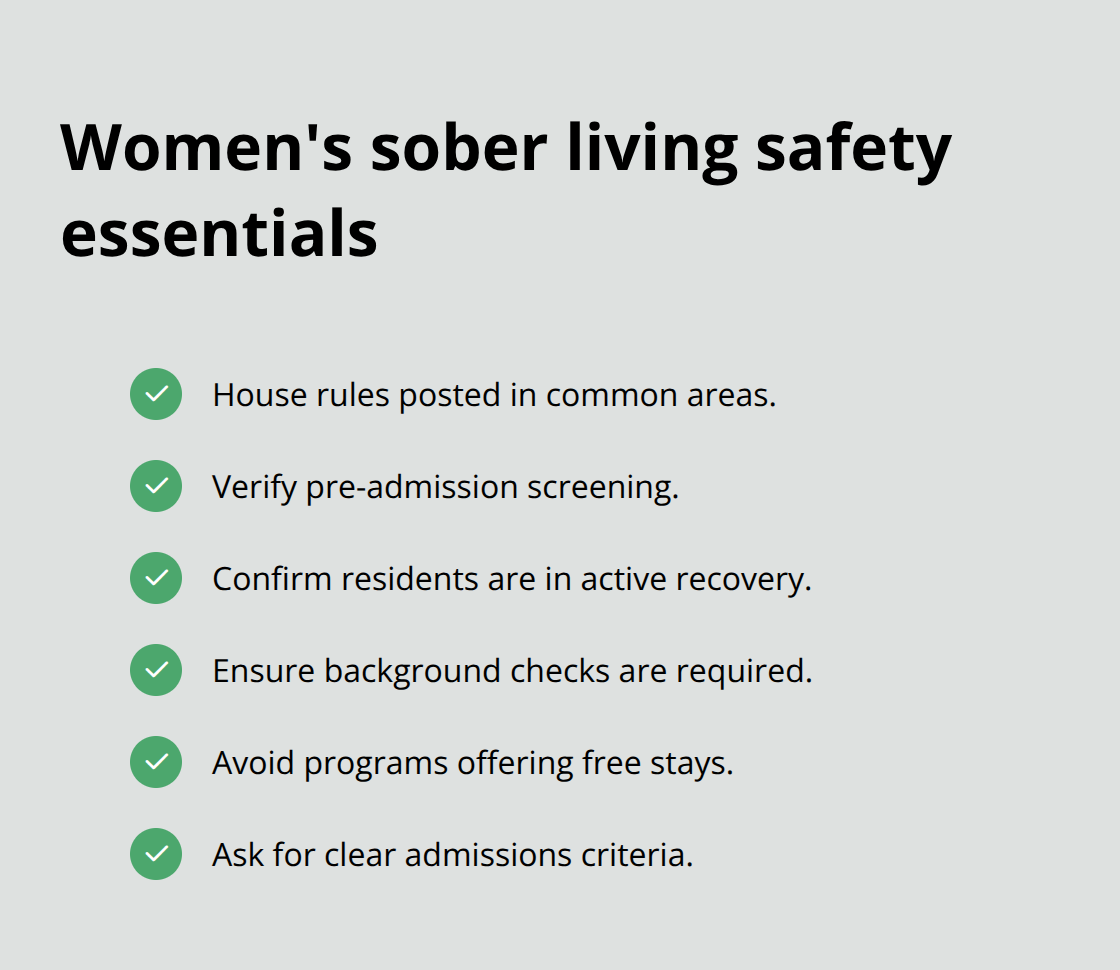
Safety requires explicit house rules posted in common areas and resident handbooks that detail consequences for violations. The National Alliance for Recovery Residences (NARR) sets national standards for recovery residences, and programs certified by NARR have undergone third-party evaluation of their safety protocols, staffing, and resident screening processes. Ask directly about pre-admission screening-legitimate programs verify that incoming residents are in active recovery, capable of managing daily tasks, and have any co-occurring mental health conditions managed by professionals. Red flags include facilities that offer free stays, skip background checks, or refuse to discuss their admissions criteria.
Why Women-Only Environments Matter
Women-only sober living homes address a specific need: gender-specific environments improve comfort and outcomes for women in early recovery. These spaces allow women to address distinct recovery challenges, including trauma histories and socialization patterns, through trauma-informed care and gender-responsive treatment approaches. For LGBTQ women, traditional sober living environments may not meet your needs, so seek programs explicitly designed for LGBTQ residents if that’s important to your recovery.
Staff Qualifications and Mental Health Integration
Demand proof of staff qualifications and training when you evaluate a facility. Many states have loose regulations for sober living, so don’t rely on claims alone. Ask whether staff members hold certifications in addiction counseling, mental health support, or peer recovery coaching. The resident-to-staff ratio matters significantly-homes with adequate staffing can provide individualized attention and respond quickly to crises.
Quality programs integrate mental health support because substance use and mental health conditions often co-occur. Services should include access to individual therapy, group counseling, and connections to psychiatric care if needed. Research shows that residents maintaining concurrent counseling and medical care achieve stronger abstinence outcomes.
Peer Support and Community Building
Peer support transforms early sobriety from isolation into belonging. The best homes require or strongly encourage attendance at 12-step meetings, Narcotics Anonymous, or other peer recovery groups in addition to on-site community activities. Weekly house meetings create accountability and build relationships among residents. Employment and education support accelerates stability-programs that offer job placement assistance, resume help, and educational planning help women rebuild purpose and independence faster than those focused solely on abstinence.
Accreditation, Cost, and Cultural Responsiveness
Look for homes affiliated with recognized networks like the Sober Living Network (SLN) or California Association of Addiction Recovery Resources (CAARR), which signal standardized practices and oversight. Joint Commission (JC) and CARF accreditation indicate that a program meets national quality and safety benchmarks-these are objective standards worth prioritizing. Cost varies dramatically by location; Los Angeles-area sober living homes charge $300 to $1,350 monthly, with averages around $650. Demand upfront cost disclosure and written refund policies before enrolling.
Insurance coverage for sober living is limited, so many programs combine self-pay with sliding-scale options or grants. Ask whether the home coordinates with outpatient treatment providers, since concurrent treatment strengthens recovery outcomes. SAMHSA emphasizes that addiction services should be responsive to diverse beliefs and practices. These standards matter because the right facility will support your specific needs as you move forward-which brings us to the practical steps you can take to identify and evaluate options in your area.
Critical Questions to Ask Before Choosing a Sober Living Home
Staffing Levels and Qualifications Shape Your Safety
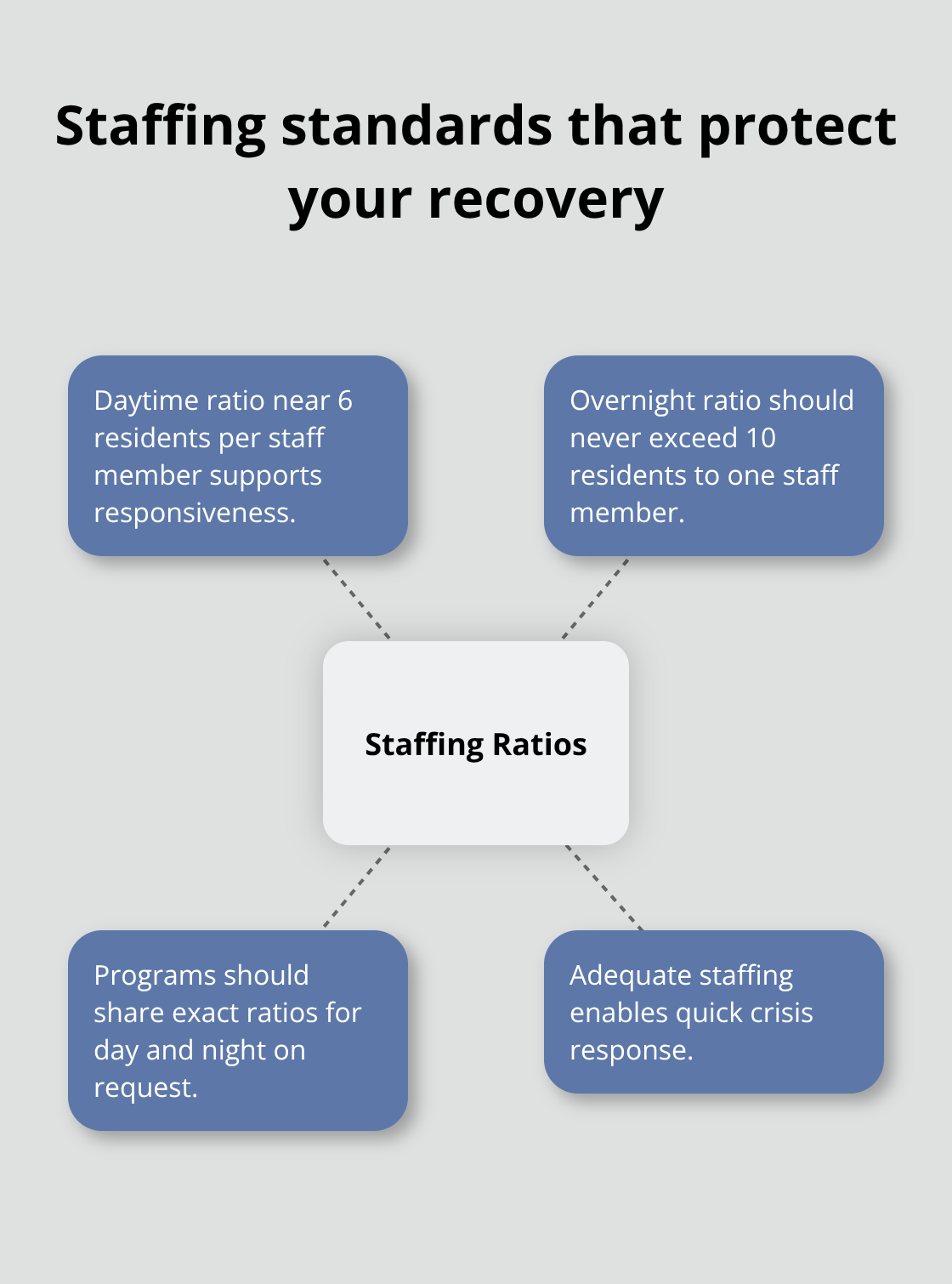
The difference between a quality sober living home and a mediocre one often comes down to how you ask questions during the evaluation process. Many women skip this step or accept vague answers, only to discover problems weeks into their stay. Staffing levels directly affect your safety and recovery outcomes, so press for specifics. Ask the admissions director for the exact resident-to-staff ratio during day hours and overnight hours-legitimate programs have this number readily available. A ratio of 6 residents per staff member during the day is reasonable, but overnight ratios should never exceed 10 residents to one staff member.
Request a copy of staff credentials and verify that house managers hold certifications in addiction counseling, peer recovery coaching, or related fields. Many states lack strict licensing requirements for sober living facilities, which means you cannot assume staff qualifications without proof. Ask whether the program conducts background checks on staff members and what their hiring standards are. If staff turnover is high, ask why-frequent turnover often signals poor management or inadequate compensation, both of which compromise the stability you need in early recovery.
Find out whether the program employs a licensed counselor on-site or contracts with outside therapists. Some homes claim mental health integration but only provide referrals to external providers, which delays care when you need it most.
Aftercare and Relapse Prevention Determine Long-Term Success
Aftercare and relapse prevention separate programs that truly support long-term sobriety from those that simply provide a roof. Ask specifically how the program helps residents transition out of sober living-do they have a discharge plan, ongoing case management, or connections to alumni groups? The National Alliance for Recovery Residences emphasizes that quality programs guide residents through different recovery stages, not just house them.
Inquire whether the home requires concurrent participation in outpatient treatment or 12-step programs and what happens if a resident relapses. Zero-tolerance policies that immediately remove residents may push women back into unsafe situations, while programs that address relapse as part of recovery show more realistic support. This distinction matters because your program should meet you where you are, not punish you for the challenges that early recovery presents.
Cost Transparency and Insurance Coverage Prevent Financial Surprises
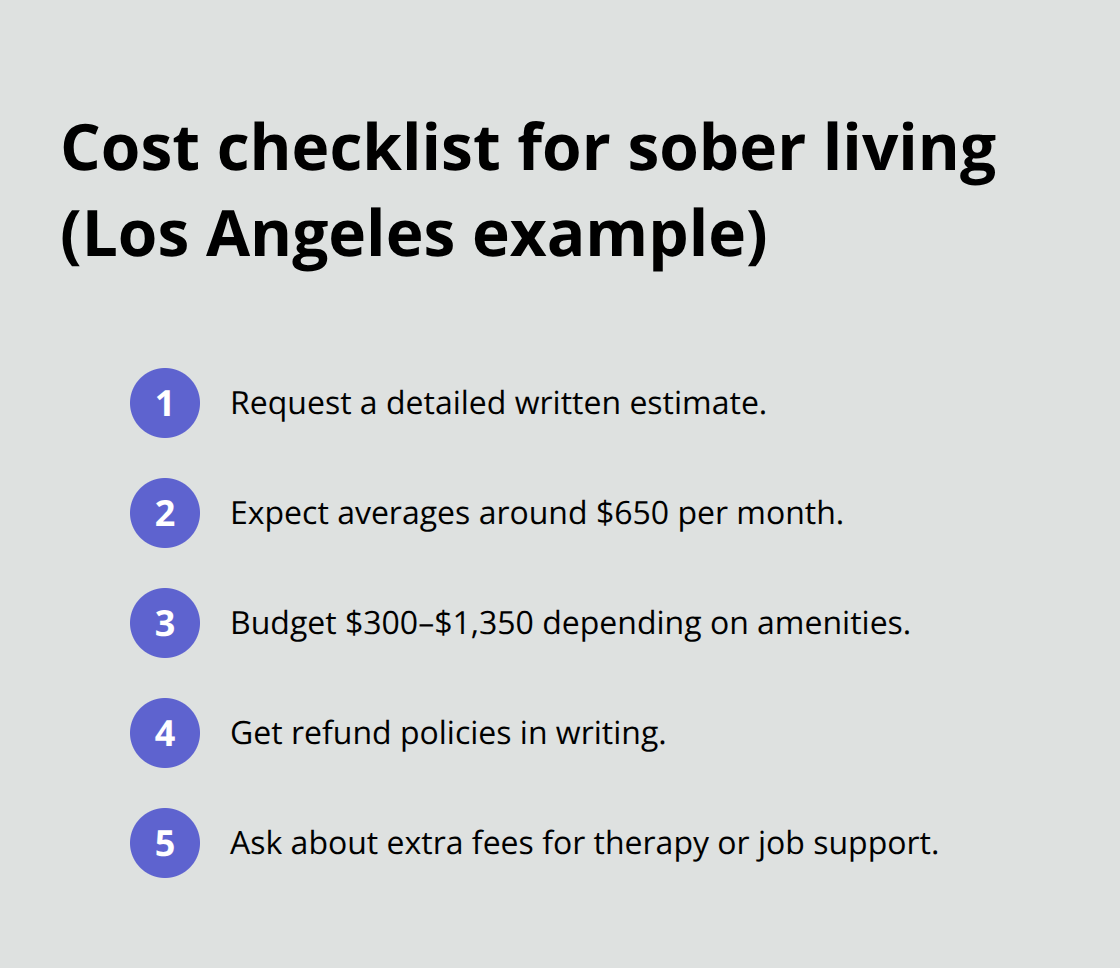
Cost transparency matters enormously, and vague pricing is a major red flag. Request a detailed written estimate that breaks down monthly rent, required fees, deposits, and any additional costs for services like therapy or job placement assistance. Los Angeles facilities average around $650 monthly, but prices range from $300 to $1,350 depending on amenities and services included. Always ask about refund policies in writing before committing funds.
Regarding insurance, many sober living homes do not bill insurance directly, though your outpatient treatment may be covered. Ask whether the program works with your specific insurance plan and whether they offer sliding-scale options or payment plans for uninsured residents. Request the names and contact information of three former residents you can call-legitimate programs provide these references without hesitation, and conversations with women who have completed the program reveal truths that marketing materials never will. These conversations also help you understand what daily life actually looks like in the home and whether the environment matches your recovery needs.
Finding Sober Living Homes in Your Area
Treatment Centers and Counselors Provide Your Best Referrals
Start your search by contacting local addiction treatment facilities, outpatient programs, and counselors directly. Ask which sober living homes they recommend for women and why. Treatment professionals see which programs succeed with their clients long-term, so their recommendations carry weight based on actual outcomes they observe. This conversation matters more than any online review because treatment centers maintain relationships with sober living homes they trust and refer to regularly.
Ask specifically whether they recommend homes with NARR certification or Joint Commission accreditation, as these programs have undergone independent evaluation. If a treatment center hesitates to provide names or gives vague responses, that tells you something important about the quality of local options in your area.
Peer Networks and Online Reviews Reveal Real Experiences
Twelve-step groups and Narcotics Anonymous meetings in your area connect you to women in active recovery who live in local homes and can speak candidly about their experiences. These conversations reveal details you will never find online: whether staff actually responds during crises, how the home handles the first weeks of withdrawal anxiety, whether job placement assistance results in actual employment, and whether the community feels genuine or forced.
Online reviews on Google, Yelp, or specialized directories like Recovery.com provide baseline information, but treat them as starting points only. Negative reviews often lack specifics, and positive reviews sometimes come from facilities or staff members themselves. Focus instead on reviews that describe concrete details about daily routines, staff responsiveness, and how the home handled specific challenges during residents’ stays.
Tour Facilities When Residents Are Present
Once you identify three to five facilities worth considering, schedule in-person tours during times when residents are present. Tours conducted when residents are away or during off-hours hide the reality of daily life. Arrive without advance notice if possible, or schedule tours at different times of day to see how the home operates under normal conditions.
Walk through bedrooms, bathrooms, kitchens, and common areas and assess whether the facility is genuinely clean or merely presentable for your visit. Check whether utilities work properly, whether beds are comfortable, and whether the space feels safe and maintained. Talk to current residents directly about their experience, their relationship with staff, and whether they would recommend the home to a friend in recovery.
Ask Residents About Program Delivery
Ask residents specifically whether the program delivers on its promises about mental health support, job placement, and peer community. Legitimate programs encourage these conversations because they know satisfied residents are their best advertisement. If staff members seem evasive about resident feedback, refuse to let you speak with current residents, or pressure you to decide quickly, leave and continue your search.
The right home will want you to be certain because your commitment and stability matter to everyone living there. Your state’s substance abuse agency can also provide lists of licensed or certified programs, though sober living homes often operate without state licensing since they are not treatment facilities.
Final Thoughts
The right sober living homes for women combine safety, qualified staff, peer community, and clear pathways to independence. Throughout this guide, we’ve emphasized that effective programs share concrete features: explicit house rules, verified staff credentials, integrated mental health support, mandatory peer recovery participation, and transparent pricing. These standards exist because women in early recovery deserve environments that support their specific needs, not generic housing with minimal oversight.
Your search process matters as much as the final choice. Treatment centers and counselors in your area have observed which programs succeed with their clients long-term, making their referrals far more valuable than online marketing. Peer networks in 12-step meetings connect you to women living in local homes right now who can describe daily reality honestly. In-person tours during normal operating hours reveal whether facilities deliver on their promises about cleanliness, safety, and staff responsiveness.
The decision to enter a sober living home represents commitment to your recovery, and that commitment deserves a program that matches your values, addresses your mental health needs, and provides genuine community rather than just a place to sleep. Concurrent outpatient treatment strengthens your outcomes significantly, and personalized addiction therapy helps you address underlying challenges while you build stability in a sober living environment. Contact us to discuss how outpatient treatment can complement your sober living home placement and support your long-term recovery goals.