Create personalized recovery plans tailored to your addiction treatment needs. Learn evidence-based strategies for lasting recovery today.

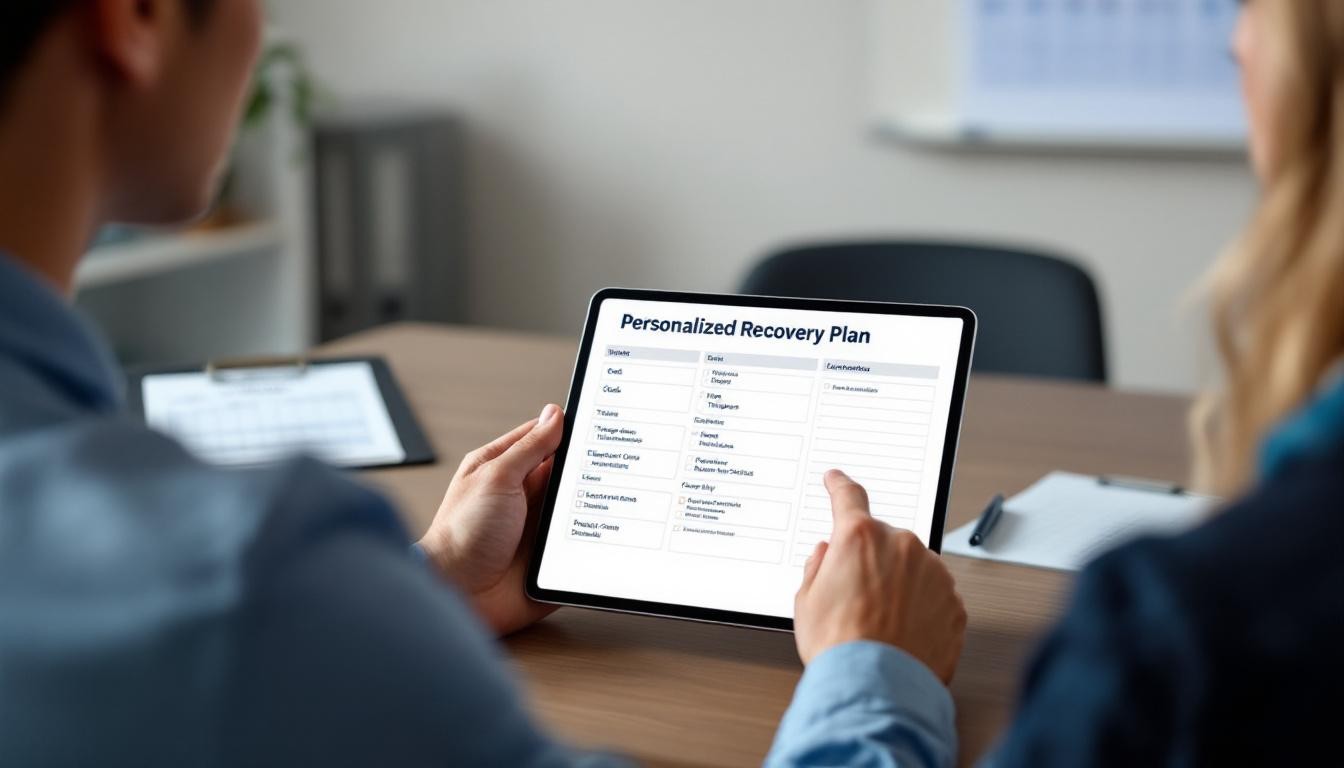
Generic addiction treatment rarely works. People struggling with substance abuse have different triggers, trauma histories, and mental health needs-so recovery plans should reflect that reality.
At Addiction Resource Center, we build personalized recovery plans designed around your specific situation, not a template that fits everyone. The evidence is clear: customized treatment produces better outcomes than one-size-fits-all programs.
Why Generic Treatment Doesn’t Work
Opioid addiction and alcohol dependence demand completely different treatment strategies, yet many programs treat them identically. Someone addicted to opioids often needs medication-assisted therapy with methadone or buprenorphine to manage physical dependence, while alcohol addiction may respond better to naltrexone or acamprosate combined with behavioral therapy. The COMBINE study examined alcohol treatment outcomes and found that combining medications with cognitive behavioral therapy produced better results than either approach alone. Forcing an opioid-dependent person into a program designed for stimulant users wastes time and money while increasing relapse risk.
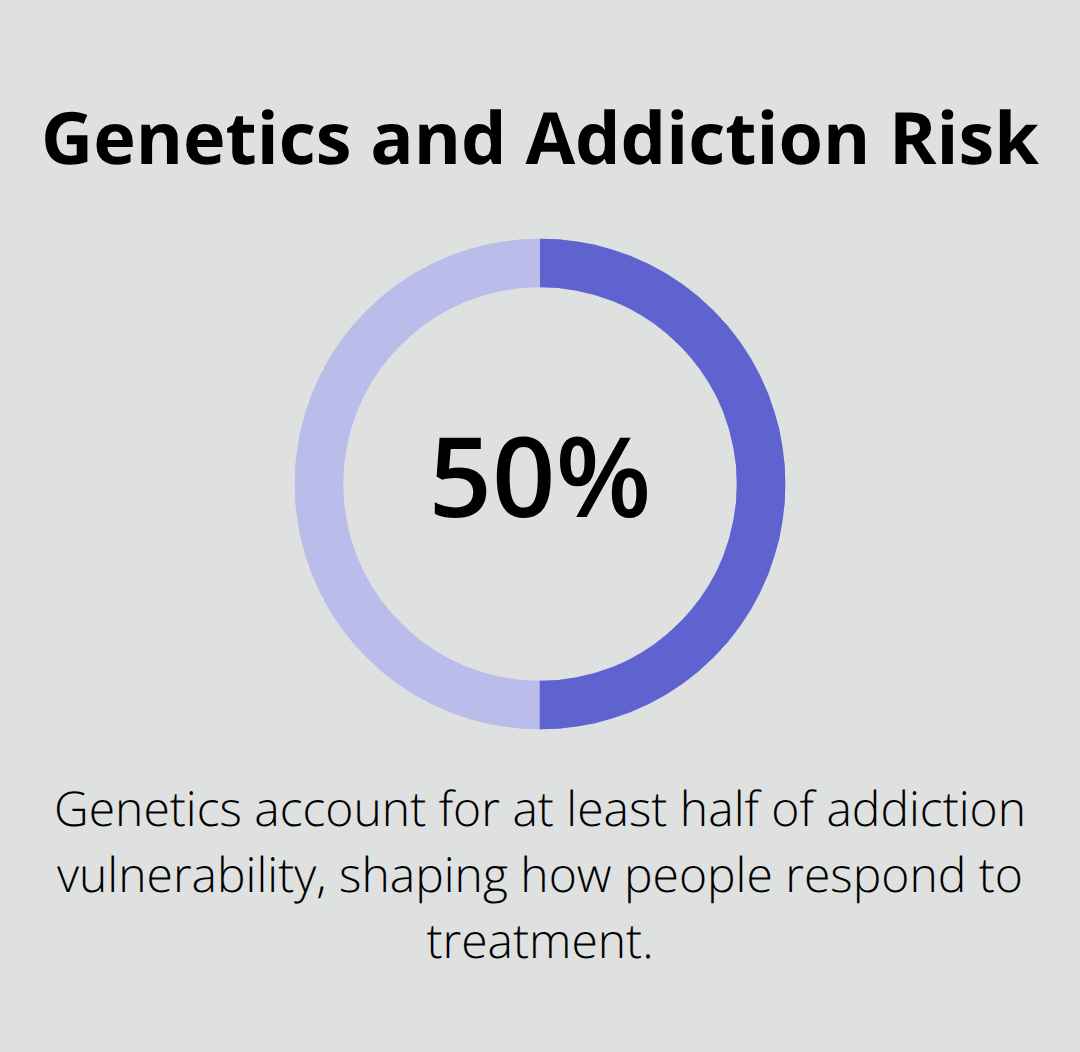
Genetics account for at least 50% of addiction vulnerability according to the American Psychological Association, meaning two people with identical substance use histories will respond to treatment very differently based on their genetic makeup. Pharmacogenomics-using genetic markers to guide medication selection-shows promise; research indicates that certain individuals treated with acamprosate achieve longer abstinence periods when their genetic profile matches the medication. Standard programs ignore these biological realities entirely.
Trauma and Life History Shape Recovery Needs
A person who developed addiction following combat-related PTSD needs trauma-focused therapy like EMDR alongside substance abuse treatment, not just counseling about drug use. Someone with childhood abuse, parental neglect, and untreated depression requires dual diagnosis care addressing all three conditions simultaneously, not sequential treatment.
About 40.3 million Americans had substance use disorders in 2020, but only a small percentage received effective treatment, partly because programs failed to address underlying trauma and mental health issues. Co-occurring conditions like anxiety and PTSD dramatically increase relapse risk when left untreated.
Environmental Factors Determine Treatment Priorities
A person living with active substance users faces different recovery obstacles than someone in a stable home environment, yet generic programs apply identical aftercare plans to both situations. Recovery plans must account for individual support systems, work stress, financial stability, and housing security (factors that completely change treatment priorities but receive little attention in standardized approaches). These environmental realities shape whether someone maintains sobriety or returns to substance use after treatment ends.
Understanding these differences reveals why personalized assessment becomes the foundation for effective recovery.
Components of Effective Personalized Recovery Plans
Comprehensive Assessment Goes Beyond Standard Intake
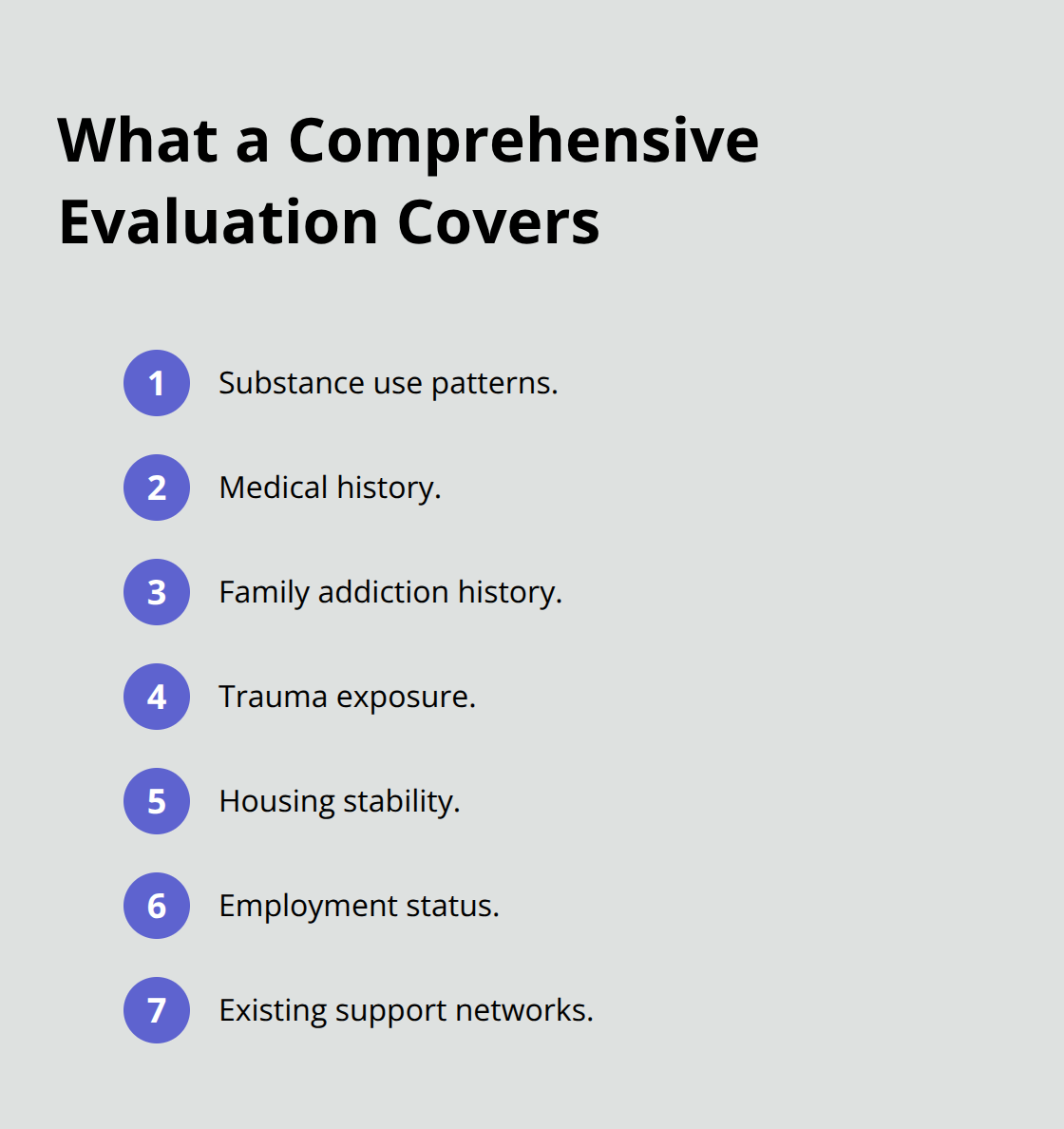
A genuine recovery assessment examines far more than standard intake forms capture. Addiction Resource Center requires comprehensive evaluation that covers substance use patterns, medical history, family addiction history, trauma exposure, housing stability, employment status, and existing support networks. Each element directly influences which medications will work, which therapy approaches will stick, and whether someone maintains sobriety after treatment. The evaluation team includes an attending physician, addiction medicine specialists, a counselor, and a registered nurse to capture medical, psychiatric, and psychosocial dimensions simultaneously. This multi-disciplinary approach takes 3 to 5 days and produces a written diagnostic summary with specific treatment recommendations, not vague suggestions. Generic programs complete intake in under an hour and move everyone into the same track regardless of findings.
Dual Diagnosis Treatment Addresses Root Causes
Co-occurring mental health conditions require simultaneous treatment, not sequential care where someone finishes substance abuse counseling and then starts depression treatment months later. Dual diagnosis treatment addresses addiction and underlying psychiatric disorders together because untreated anxiety, PTSD, or bipolar disorder will sabotage sobriety efforts. Research shows that combining medications like naltrexone with cognitive behavioral therapy produces superior outcomes compared to either intervention alone, which is why flexible modality selection matters enormously.
Flexible Modalities Match Individual Needs
A person who responds poorly to group therapy shouldn’t be forced into it-individual counseling, family therapy, or EMDR for trauma might work better. Medication selection itself requires flexibility; someone with opioid dependence might succeed on buprenorphine while their peer needs methadone because their genetic profile and withdrawal severity differ. The evaluation process should document personal preferences, readiness for change, and cultural considerations explicitly so the treatment plan reflects individual reality rather than staff convenience.
Treatment Delivery Options Enhance Engagement
Programs offering only inpatient residential care or only outpatient sessions limit options unnecessarily. Some people need intensive residential support while others maintain better engagement through flexible outpatient scheduling with online components available for transportation barriers. This range of delivery methods (residential, outpatient, hybrid models) directly impacts whether individuals complete treatment and sustain recovery afterward.
The assessment findings then translate into a specific treatment roadmap that addresses your unique situation rather than fitting you into an existing program structure.
Building Your Personalized Recovery Plan
Comprehensive Assessment Drives Treatment Decisions
Your recovery plan takes shape through structured evaluation, continuous adjustment, and coordinated specialist input rather than a single intake appointment followed by standard treatment. The process starts with a thorough medical and psychiatric assessment that documents your substance use patterns, medication history, previous treatment attempts, trauma exposure, and current mental health status. This initial evaluation typically spans several days and involves an attending physician, addiction medicine specialists, counselors, and nursing staff reviewing findings together to identify which medications, therapy modalities, and support services will actually work for your situation. A single clinician completing intake paperwork in 45 minutes cannot capture the complexity needed to guide treatment decisions, which is why comprehensive assessment requires multiple perspectives and adequate time. Your evaluation report should specify concrete recommendations-not vague suggestions-including recommended medications with dosing rationale, specific therapy approaches matched to your needs, and identified barriers to engagement that treatment must address directly.
Scheduled Reassessment Points Measure Real Progress
Progress monitoring separates effective personalized plans from programs that set a treatment schedule and hope clients follow it. Your plan requires scheduled reassessment to measure whether the selected medications manage cravings effectively, whether your chosen therapy approach produces measurable progress, and whether emerging obstacles demand adjustments before they trigger relapse. If cognitive behavioral therapy isn’t resonating with you after 4 weeks, switching to dialectical behavior therapy or EMDR makes sense rather than forcing continuation with an ineffective approach. Medication adjustments based on your response-increasing buprenorphine dosing, adding naltrexone, or switching from one medication entirely-happen through coordinated discussion between your prescribing physician and addiction counselor rather than isolated clinical decisions.
Coordinated Care Prevents Treatment Gaps
Coordinated care means your addiction medicine specialist, mental health therapist, and substance abuse counselor communicate regularly about your progress, share assessment data, and adjust the plan collaboratively. This coordination prevents gaps where depression treatment conflicts with addiction counseling or medication changes happen without counselor awareness (situations that routinely undermine recovery in fragmented programs).
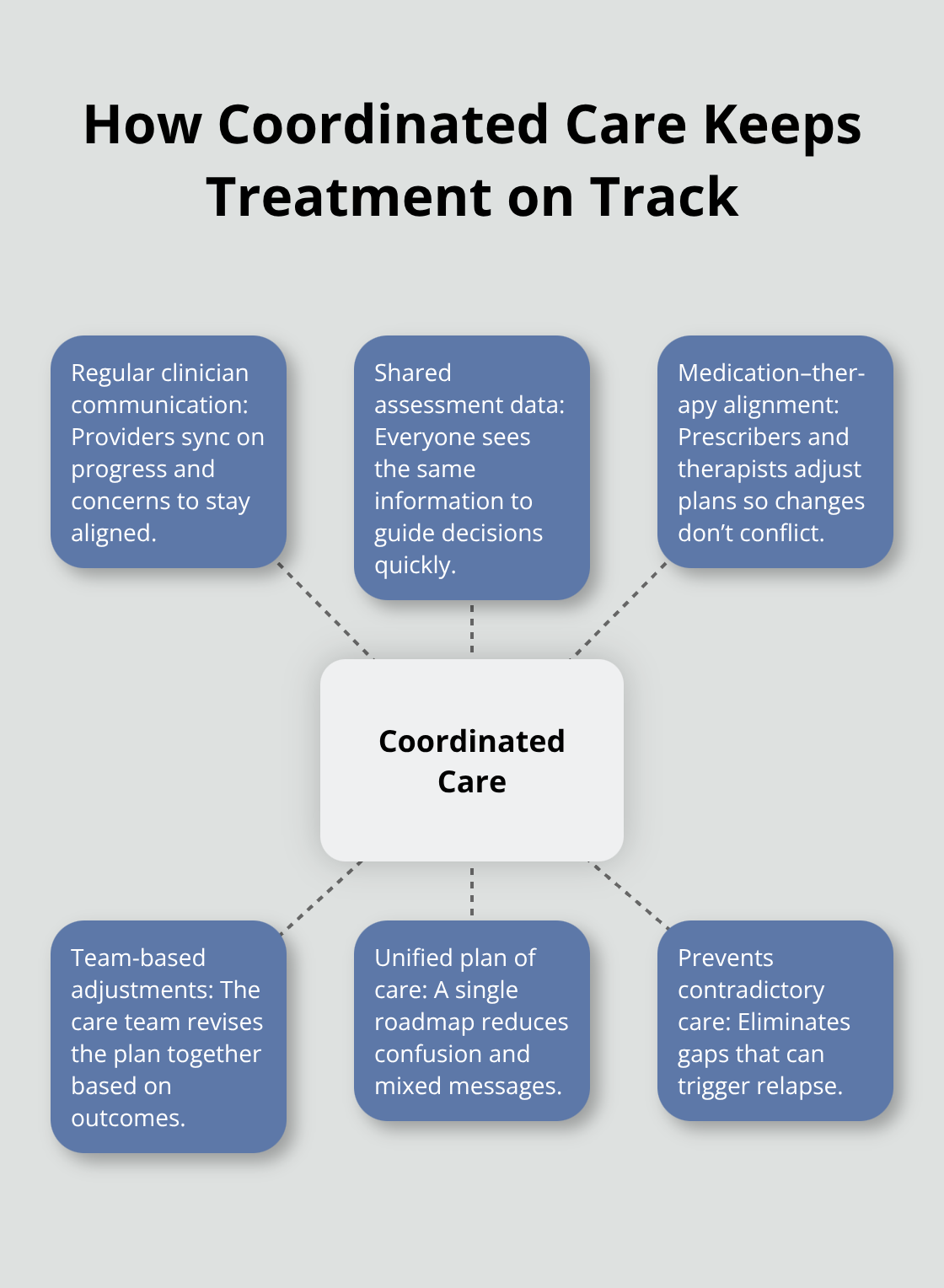
Your recovery plan evolves based on measurable outcomes and your reported experience, not administrative convenience or clinician preference. When specialists work in isolation, critical information falls through cracks and contradictory treatment approaches sabotage your efforts. Effective programs establish regular team meetings where all clinicians involved in your care discuss your progress together and make adjustments as one unit rather than separate practitioners working independently.
Final Thoughts
Personalized recovery plans work because they address the reality of addiction rather than forcing individuals into predetermined treatment boxes. When treatment matches your specific substance, genetics, trauma history, and mental health needs, recovery becomes sustainable instead of temporary. Generic programs fail because they ignore these individual differences, but customized approaches that account for your unique situation produce measurably better long-term outcomes.
Recovery requires more than motivation or willpower-it requires the right support structure built specifically around your circumstances. This structure includes comprehensive assessment identifying what actually works for you, coordinated specialists communicating about your progress, and flexibility to adjust treatment when something isn’t producing results. Without this personalized foundation, relapse becomes likely regardless of your commitment to sobriety.
Starting your personalized recovery journey begins with reaching out to Addiction Resource Center to discuss your situation with experienced professionals who will conduct a thorough assessment and develop a treatment approach matched to your needs. Recovery becomes possible when treatment is built for you, not despite you.