Discover how personalized recovery plans match treatment to your specific needs and boost your path to lasting sobriety and wellness.

Addiction doesn’t affect everyone the same way. What works for one person might fail for another, which is why generic treatment programs often fall short.
At Addiction Resource Center, we believe personalized recovery plans are the foundation of lasting change. Your path forward deserves a treatment approach built specifically for you, not a template applied to everyone.
Why Generic Treatment Plans Fail
Addiction Severity Demands Different Approaches
Addiction severity varies dramatically from person to person, and this difference fundamentally shapes what treatment approach will actually work. Someone struggling with alcohol use for two years faces entirely different recovery needs than someone with a twenty-year opioid addiction. The data supports this: research shows that individuals with long-term or severe addiction often require inpatient care or medication-assisted therapy, while those with moderate addiction may succeed with outpatient programs or short-term rehab. A treatment plan designed for moderate addiction will likely underwhelm someone in crisis, while an intensive inpatient program may waste resources for someone with a milder substance use pattern. Specialized therapies have been developed to target specific types of substance use disorders: alcohol, opiates, cocaine, and marijuana. Generic programs ignore these realities and apply the same schedule, therapy model, and medication approach to everyone walking through the door. That approach fails because it treats addiction as a single condition rather than recognizing it as multiple distinct conditions wearing the same label.
Mental Health Complications Change Everything
Co-occurring mental health disorders dramatically increase the complexity of recovery and make personalized treatment non-negotiable.
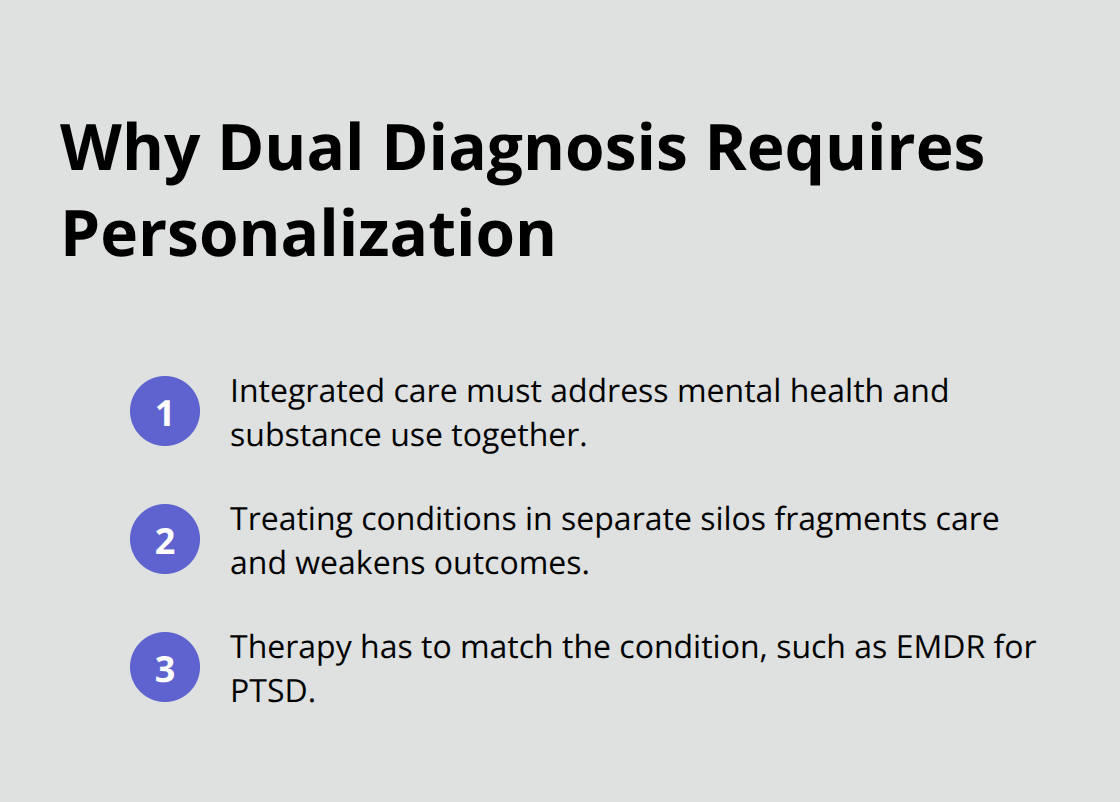
About 3.8% of adults struggle with both substance use disorders and mental illness simultaneously, yet most standard addiction programs treat these as separate problems handled by different departments. Anxiety, depression, PTSD, and trauma are not complications that appear alongside addiction-they are often root causes. Someone self-medicating anxiety with alcohol needs trauma-informed therapy and anxiety management tools integrated into their recovery plan from day one, not added as an afterthought. Dual diagnosis treatment that addresses both conditions together shows significantly better outcomes than sequential or siloed treatment. The therapy type matters too. A person with untreated PTSD may struggle in standard group therapy but thrive with EMDR or experiential therapies designed specifically for trauma processing. A depressed individual needs behavioral activation and cognitive restructuring woven into their daily recovery structure, not just once-weekly counseling sessions. Generic programs either miss these co-occurring issues entirely or refer clients elsewhere, fragmenting care and weakening the foundation for lasting recovery.
Life Circumstances Determine What Actually Works
Your job, family structure, living situation, financial resources, and personal goals shape what treatment approach you can realistically sustain. Someone working full-time cannot attend an inpatient program for 90 days without losing their job and income, making outpatient treatment the only viable option regardless of clinical preference. A parent with custody responsibilities needs flexible scheduling and family-inclusive therapy, not a program that isolates them in residential treatment. Someone in an unstable housing situation needs recovery support integrated with housing assistance, not just addiction counseling. A military veteran or first responder experiences trauma and substance use through a lens that generic programs fail to recognize, requiring culturally specific treatment that speaks to their experiences. Personal goals drive engagement in ways that clinical protocols cannot manufacture. If your recovery goal involves returning to work and rebuilding relationships, your treatment plan should directly support those outcomes through skills training and family therapy, not generic psychoeducation about addiction. Your circumstances are not obstacles to recovery-they are the foundation upon which effective treatment must be built.
Why Personalization Matters Now
The gap between what generic programs offer and what individuals actually need has never been clearer. Standard treatment models assume that everyone responds to the same interventions, the same pace, and the same therapeutic environment. This assumption collapses the moment treatment begins. One person needs medication-assisted therapy paired with intensive trauma work; another needs outpatient counseling with flexible scheduling. One person’s recovery hinges on family involvement; another’s depends on peer support and community connection. Generic programs cannot adapt to these realities without abandoning their one-size-fits-all structure entirely. Personalized recovery plans recognize that your addiction story is yours alone, shaped by your substance use history, your mental health, your responsibilities, and your goals. The next section explores how effective personalized plans actually work and what components transform a standard treatment approach into a recovery strategy built specifically for you.
Building Your Recovery Plan From the Ground Up
Assessment: The Foundation Everything Else Rests On
A personalized recovery plan starts with one critical step that most programs skip entirely: a thorough assessment that goes far beyond standard intake forms. This assessment must examine your addiction history in detail-how long you’ve used, what substances, how patterns of use shifted over time, what previous treatment attempts occurred, and what failed or succeeded in the past. It must also map your mental health landscape, identifying anxiety, depression, trauma, PTSD, or other conditions that fuel substance use. Your assessor should ask about your job, housing stability, family relationships, financial situation, and personal goals because these circumstances directly shape what treatment intensity and modality will actually work for you.
This isn’t busywork. Research shows that a comprehensive initial assessment covering medical history, substance use patterns, co-occurring mental health disorders, and personal preferences is foundational to treatment success. The assessment should also explore your learning style, your comfort with group versus individual settings, and whether medication-assisted therapy aligns with your preferences. Some people thrive in structured daily programming; others need flexibility to maintain employment or parenting responsibilities. Some respond well to cognitive-behavioral approaches; others need trauma-focused therapies like EMDR or experiential modalities. Your assessor should identify these preferences, not ignore them.
Customization: Translating Assessment Into Action
Once your assessment is complete, your actual recovery plan must reflect what you just revealed about yourself. If you have untreated PTSD alongside alcohol addiction, your plan should integrate trauma-focused therapy from the start, not add it later as an afterthought. If you work full-time, your plan should offer evening or weekend sessions and outpatient care, not demand a 90-day residential commitment that destroys your employment. If family conflict drives your substance use, your plan should include family therapy sessions, not just individual counseling.
If you’re struggling with depression, your treatment should include behavioral activation and medication management, not just substance abuse counseling. This customization extends to withdrawal management and detox as well-your detox should be tailored to your substance type, health conditions, and personal circumstances to maximize safety and reduce discomfort. Your plan reflects your reality, not a template applied to everyone.
Adaptation: Plans That Evolve With Your Progress
Once treatment begins, your plan must adapt continuously. Recovery is not linear, and what works in week two may need adjustment by week six. Regular check-ins with your treatment team should review whether your current therapies are producing results, whether your medications need adjustment, whether new stressors or triggers have emerged, and whether your goals have shifted.
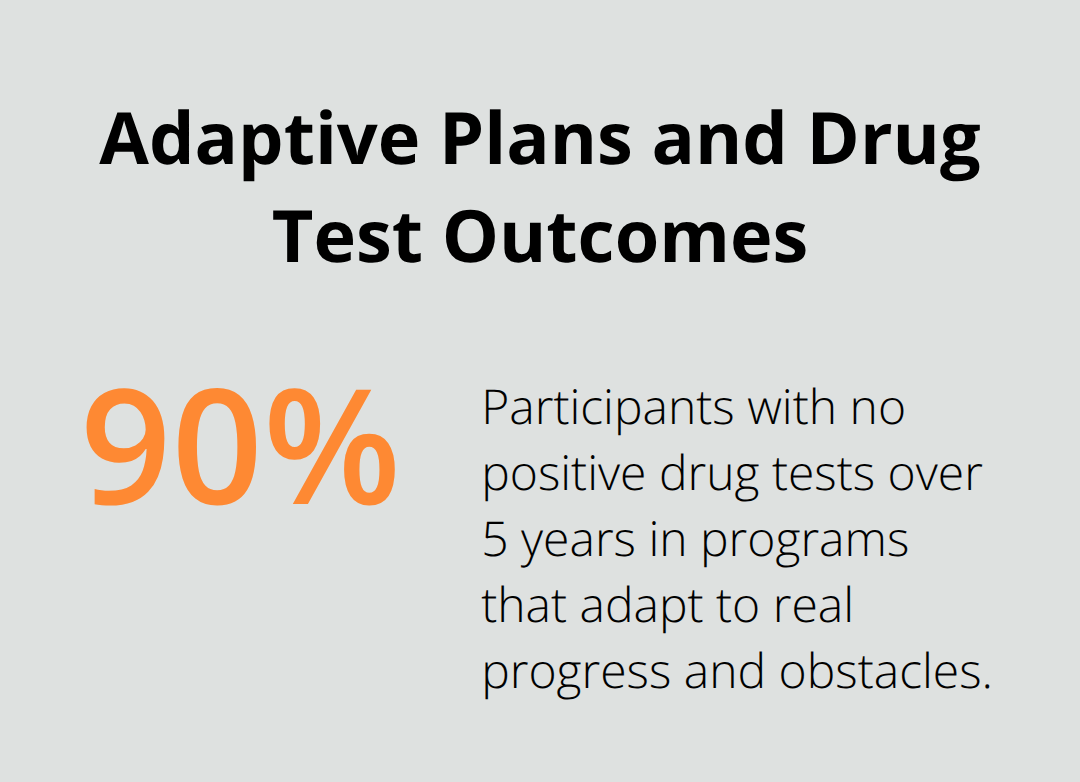
Nearly 90% of program participants had no positive drug tests over a 5-year period, but that success depends on plans that adjust to real progress and real obstacles rather than following a rigid script.
Your treatment team should treat your recovery plan as a living document-one that responds to what actually happens in your life, not what a clinician predicted months earlier. This flexibility transforms treatment from something that happens to you into something you actively shape alongside your clinical team.
How We Build Your Recovery Plan
Initial Consultation Maps Your Unique Situation
Your first meeting focuses entirely on understanding who you are, not filling out paperwork. During an initial consultation, our assessment specialists ask detailed questions about your substance use timeline, previous treatment attempts, mental health history, work situation, family structure, housing stability, and personal recovery goals. This isn’t a standardized form with checkbox answers-it’s a conversation designed to map the specific factors that shape your recovery needs. We ask what failed in past treatment attempts because that information matters more than what succeeded elsewhere. We explore whether you’ve experienced trauma, whether anxiety or depression drives your substance use, and whether you have custody responsibilities or employment obligations that restrict your schedule. We identify your learning preferences, your comfort with group settings versus individual therapy, and whether medication-assisted treatment aligns with your values. This comprehensive assessment typically takes 60 to 90 minutes because we refuse to rush the process that determines everything that follows.
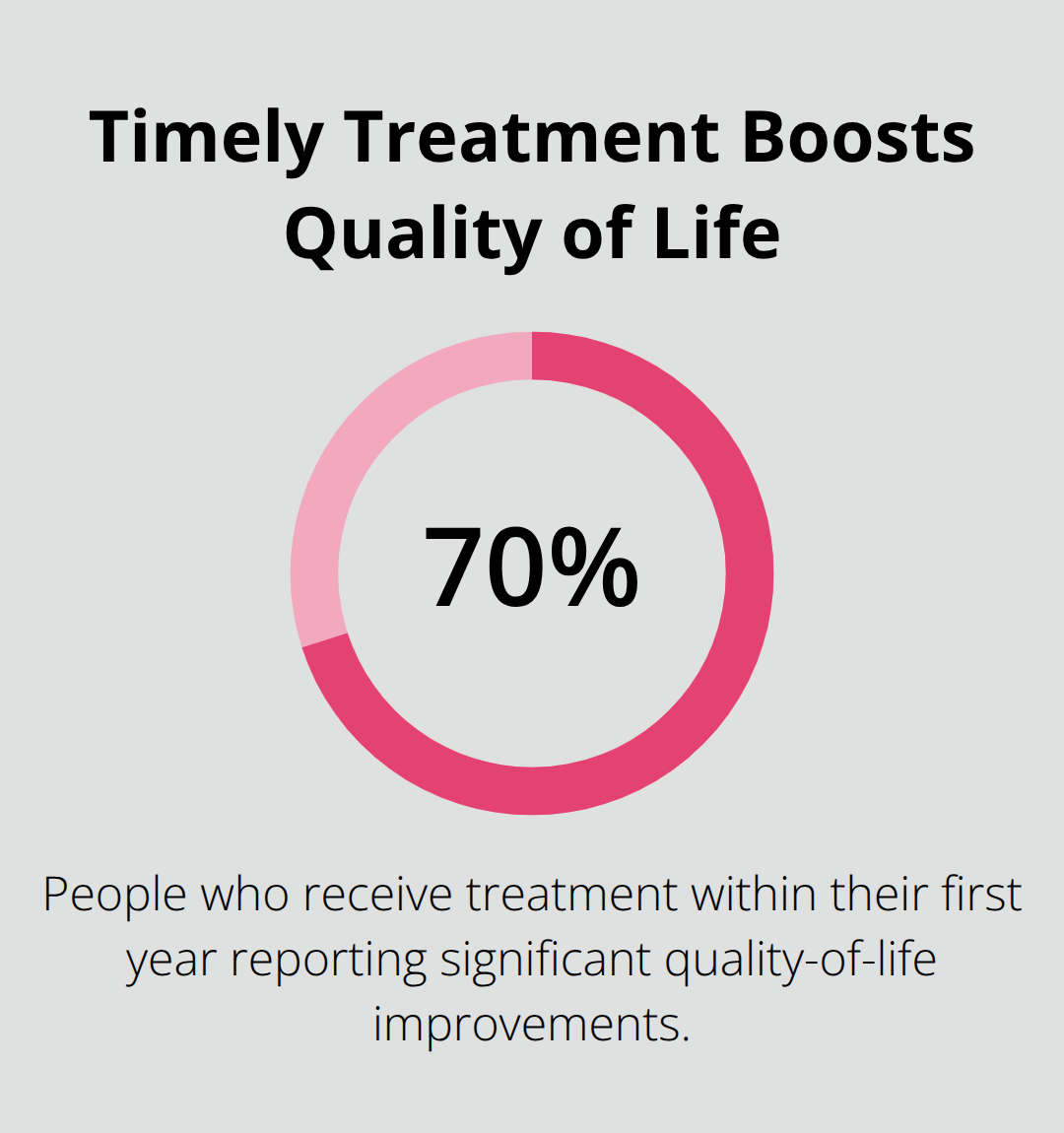
Research shows that about 70% of people who receive treatment within their first year experience significant improvements in quality of life, but that outcome depends entirely on whether your plan actually matches your reality.
Treatment Specialists Build Your Concrete Recovery Plan
Once assessment is complete, our treatment specialists collaborate with you to build a concrete recovery plan tailored to your circumstances. If you work full-time, we offer evening or weekend sessions and outpatient programming, not residential treatment that destroys your employment. If untreated PTSD fuels your alcohol use, trauma-focused therapy becomes part of your plan from week one. If family conflict drives substance use, family therapy sessions are scheduled alongside individual counseling. If depression requires behavioral activation, your daily structure includes scheduled activities and movement, not just weekly therapy sessions. We customize your detox to your substance type and health conditions, adjusting withdrawal management in real time to reduce discomfort and maximize safety. Your plan reflects your goals-whether that means returning to work, repairing relationships, or rebuilding self-esteem-because generic recovery goals produce generic engagement.
Regular Check-Ins Adapt Your Plan to Real Progress
After your plan launches, regular check-ins every one to two weeks ensure it produces actual results. If a therapy isn’t working by week four, we change it rather than waiting three months. If new stressors emerge or your progress plateaus, your plan adapts immediately. This approach treats your recovery plan as a living document that evolves with your real progress, not a rigid script followed regardless of what happens in your life.
Final Thoughts
Personalized recovery plans work because they match treatment to reality instead of forcing reality to match treatment. When your plan reflects your addiction severity, your mental health needs, your life circumstances, and your personal goals, recovery becomes possible in ways that generic programs cannot achieve. About 70% of people who receive treatment within their first year experience significant improvements in quality of life, but that outcome depends entirely on whether your plan was built for you, not for someone else.
Your substance use history is yours alone, and your mental health challenges are specific to you. Your job, family, housing situation, and responsibilities shape what treatment you can actually sustain, while your goals drive your motivation in ways that clinical protocols cannot manufacture. A recovery plan that ignores these realities is a plan designed to fail.
We at Addiction Resource Center refuse to apply templates to people. We start with a thorough assessment that maps who you are, what you need, and what will actually work for your life, then build a concrete recovery plan tailored to your circumstances. If you are ready to start with personalized recovery plans built specifically for you, contact Addiction Resource Center in Yuba City today.