Explore the effects of alcohol addiction on your brain, body, and relationships. Learn warning signs and recovery strategies today.

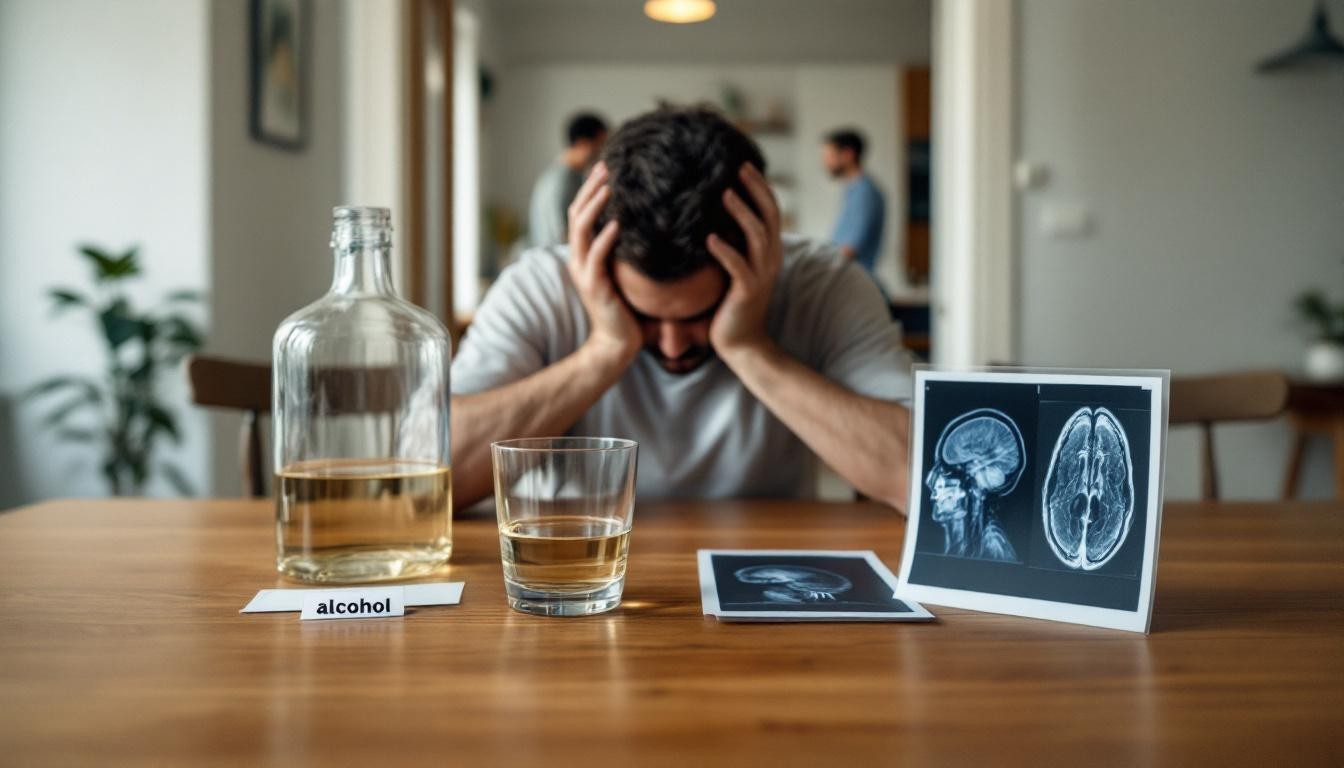
Alcohol addiction doesn’t just affect the person drinking-it ripples through every part of their life. The effects of alcohol addiction reach far beyond hangovers, damaging the brain, weakening the body, and fracturing relationships that matter most.
At Addiction Resource Center, we’ve seen firsthand how addiction transforms lives. This guide breaks down exactly what happens when alcohol takes hold, and what recovery looks like.
How Alcohol Addiction Damages Your Brain and Mental Health
Brain Structure Shrinks Under Heavy Drinking
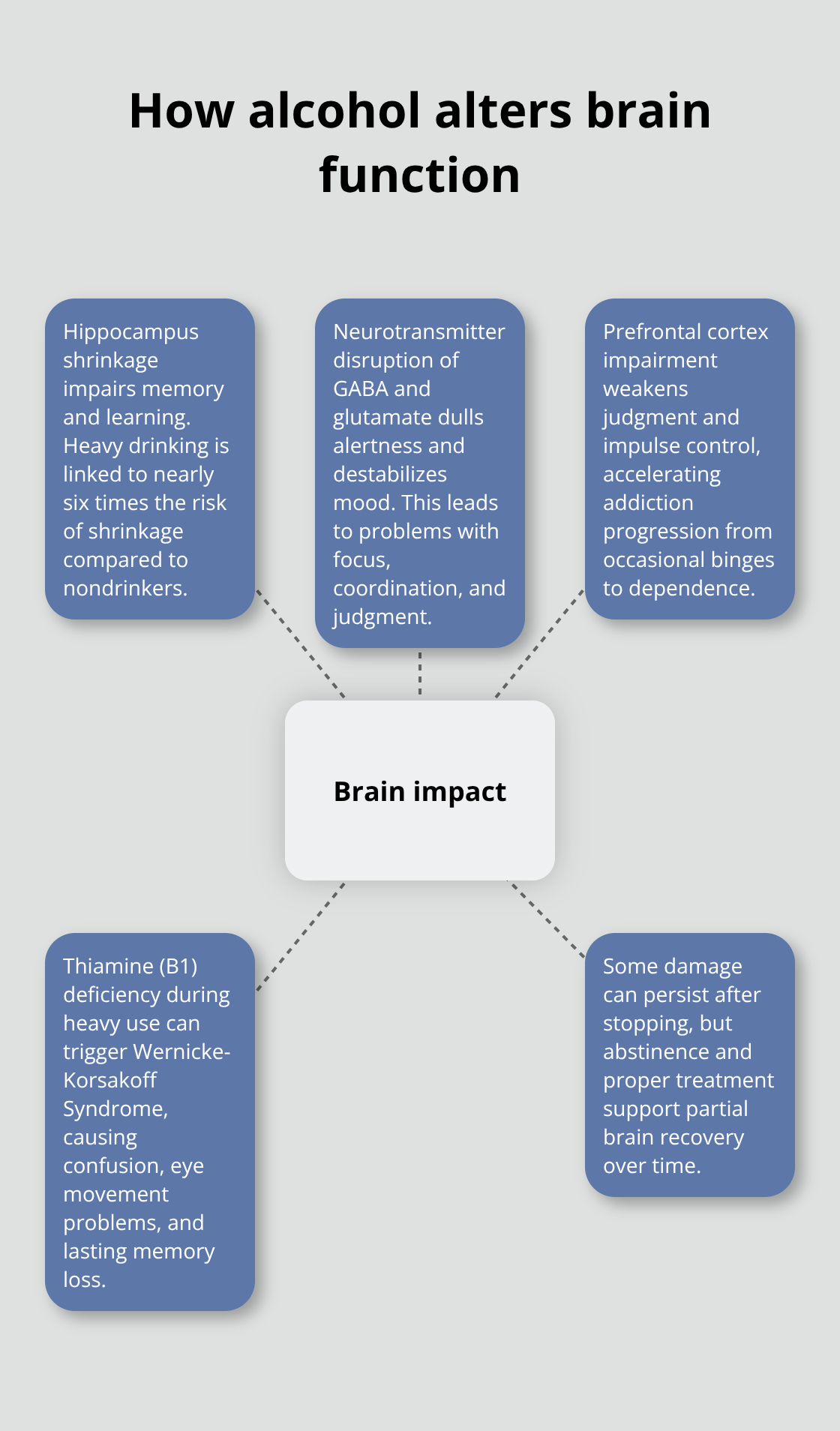
Alcohol addiction destroys brain structure in measurable ways. A University of Oxford study found that drinking 4 or more drinks per day causes almost 6 times the risk of hippocampus shrinkage compared to nondrinkers, and even mild to moderate drinkers show more shrinkage than abstainers. The hippocampus controls memory formation and learning, so this damage directly impacts your ability to retain information and make sound decisions.
Short-term, alcohol disrupts neurotransmitters like GABA and glutamate, which regulate mood and alertness. This explains why people struggle with focus, coordination, and judgment even after moderate drinking. Long-term heavy use causes persistent cognitive decline, learning difficulties, and in severe cases, alcohol-related dementia.
Neurotransmitter Disruption Alters How You Think
The National Institute on Alcohol Abuse and Alcoholism confirms that chronic drinking weakens the entire brain’s communication system, altering how you think, behave, and regulate emotions. Thiamine (vitamin B1) deficiency from poor nutrition during heavy drinking can trigger Wernicke-Korsakoff Syndrome, a life-threatening condition causing confusion, eye movement problems, and permanent memory loss.
Some brain damage persists even after stopping, though some recovery is possible with abstinence and proper treatment.
Depression and Anxiety Intensify With Alcohol Use
Alcohol and mental health problems feed each other. Heavy drinking worsens pre-existing depression and anxiety, and it can induce mood disorders entirely on its own. People often drink to cope with emotional pain, but alcohol actually amplifies depression and raises suicide risk significantly.
The NHS reports that stopping or cutting down often improves mental health within weeks, but untreated trauma and underlying conditions require additional therapy or medication alongside sobriety. If you have a diagnosed mental illness, alcohol interacts dangerously with psychiatric medications and worsens symptoms, making professional guidance essential before attempting any changes.
Impaired Judgment Accelerates Addiction Progression
Decision-making suffers because alcohol impairs your prefrontal cortex, the brain region responsible for judgment and impulse control. This explains why addiction progresses through stages: occasional binge drinking becomes increased drinking, then problem drinking, then addiction. Early intervention at any stage stops this progression, but waiting allows the addiction to deepen and brain damage to accumulate.
The physical toll on your body compounds these mental health effects, creating a cascade of damage that extends far beyond the brain.
How Alcohol Damages Your Organs and Body
Your Liver Fails Silently Until Cirrhosis Strikes
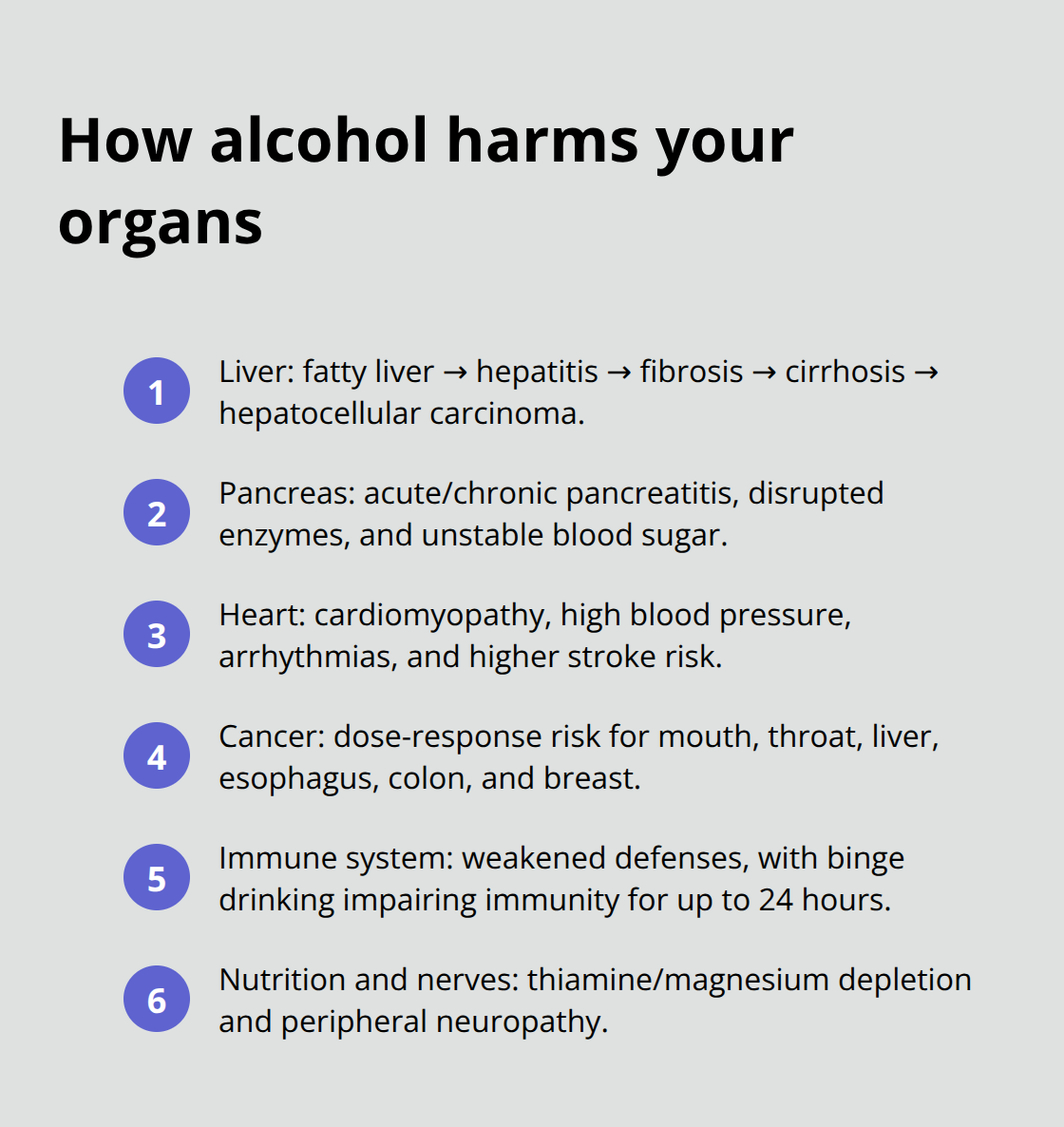
Alcohol attacks nearly every organ system the moment it enters your bloodstream. Your liver bears the brunt of heavy drinking, progressing through fatty liver disease to alcoholic hepatitis, fibrosis, cirrhosis, and eventually hepatocellular carcinoma. The National Institute on Alcohol Abuse and Alcoholism confirms this progression happens without warning signs. You can drink heavily for years without knowing your liver is failing until cirrhosis develops and the damage becomes irreversible.
Early liver damage produces no symptoms, which makes early detection critical. Liver function tests ordered by your doctor measure enzymes and bilirubin levels to catch problems before they advance. If you drink more than 4 drinks daily, you need these tests now, not later.
Pancreatic Damage Disrupts Blood Sugar and Digestion
Alcohol damages your pancreas directly, causing acute and chronic pancreatitis that disrupts digestive enzyme production and blood sugar regulation. This increases your risk of diabetes significantly. The damage compounds over time, making prevention through reduced drinking far easier than managing pancreatitis after it develops.
Heart Disease and Cancer Risk Rise With Every Drink
Heavy drinking weakens your heart muscle itself, causing cardiomyopathy and raising your blood pressure, arrhythmia risk, and likelihood of heart attack and stroke. The National Cancer Institute confirms alcohol is a known human carcinogen with a dose-response relationship: the more regularly you drink, the higher your cancer risk for the mouth, throat, liver, esophagus, colon, and breast. Women face particular risk, as one drink per day increases breast cancer risk compared to nondrinkers.
Immune System Collapse and Nutritional Breakdown
Your immune system collapses under chronic alcohol use, making you vulnerable to infections your body would normally fight off. Binge drinking alone impairs immune defense for up to 24 hours after a single occasion, which explains why heavy drinkers catch colds and flu more frequently and recover slower. Alcohol depletes thiamine, magnesium, and other critical nutrients, causing peripheral neuropathy with numbness, tingling, and burning in your hands and feet, plus irregular heartbeat and blood pressure problems.
Cascading Effects Across Multiple Body Systems
Your bones weaken from alcohol’s disruption of bone density, increasing fracture risk and delaying healing. Your digestive system suffers from alcohol-induced leaky gut, altered gut bacteria, and inflammation that raises colorectal cancer risk. If you have diabetes, alcohol impairs blood glucose control and heavy use increases type 2 diabetes risk through weight gain, higher triglycerides, and decreased insulin sensitivity.
Alcohol damage compounds over time and many conditions become irreversible once advanced. Stopping drinking now prevents further deterioration and allows some recovery depending on how long you’ve been drinking and how heavily. Getting a baseline assessment from your doctor through blood work and imaging identifies what damage exists today so you know what you’re fighting against. These physical health consequences extend beyond your body-they fracture the relationships and financial stability that hold your life together.
How Alcohol Addiction Destroys Relationships and Finances
Trust Collapses Through Deception and Broken Promises
Alcohol addiction systematically dismantles the relationships and financial stability that hold life together. Trust collapses through deception and broken promises when secrecy and dishonesty become routine as drinking escalates. Partners hear repeated broken promises about cutting back or stopping, and this dishonesty erodes trust faster than almost anything else. Once trust fractures, reconciliation becomes exponentially harder. Research shows that intimacy suffers through decreased emotional stability, unmet expectations, broken commitments, reduced affection, and drift from shared values. The person with addiction may hide drinking, lie about where they’ve been, or deny the severity of their problem-patterns that poison relationships at their foundation.
Financial Crisis Affects the Entire Household
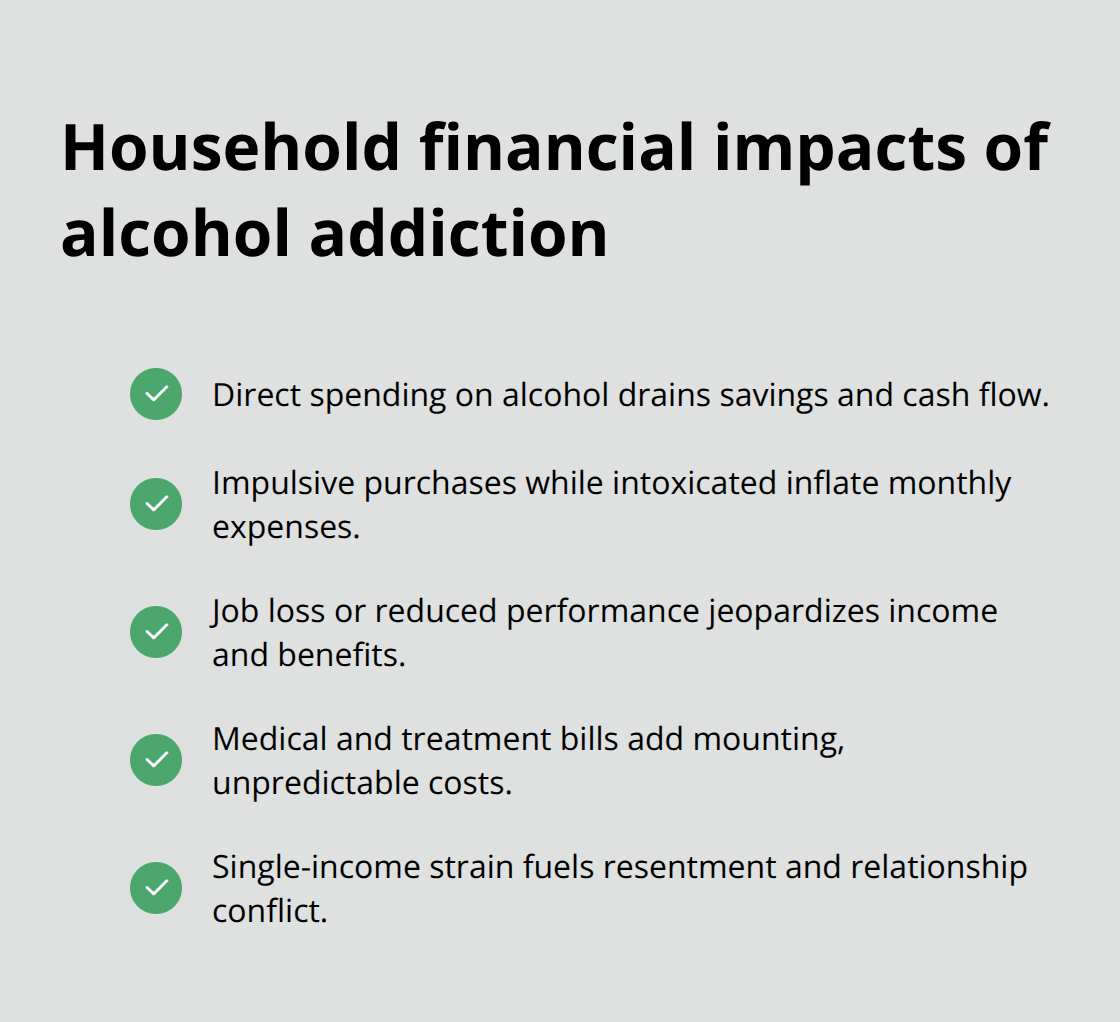
Financial problems compound the relational damage immediately. The direct costs of drinking drain accounts, but impulsive spending during intoxication, job loss from missed work or poor performance, and mounting medical expenses create a financial crisis that affects everyone in the household. According to the 2024 NSDUH, 27.1 million adults ages 18 and older had alcohol use disorder in the past year, and their partners and children absorb the financial fallout directly. One partner may shoulder all financial responsibilities while the other drinks, creating resentment that poisons the relationship further.
Setting firm boundaries prevents codependency, but many partners enable the addiction by covering bills, making excuses at work, or minimizing the problem to avoid conflict. This enabling delays treatment and deepens the addiction. Partners who set clear limits on financial support and refuse to cover consequences actually motivate the person with addiction to seek help faster than those who continue funding the behavior.
Isolation Accelerates as Shame Builds
Isolation happens gradually but completely. The person with addiction abandons shared activities with family and friends because drinking becomes more important than maintaining connections. Social withdrawal accelerates as shame builds and the person avoids people who might confront their drinking. Children watch a parent become emotionally unavailable or unpredictable, damaging the parent-child bond during critical developmental years.
If alcohol misuse links to abusive dynamics or violence, the family faces immediate safety concerns that require professional intervention. Victims of alcohol-related abuse need protection plans and access to domestic violence resources before pursuing family reconciliation.
Support Groups and Professional Treatment Restore Relationships
Joining a family support group like Al-Anon or SMART Recovery provides accountability, coping skills, and shared experiences that prevent caregiver burnout. Professional family therapy addresses the relational damage directly and helps everyone understand how the addiction progressed through stages and what recovery actually requires. Treatment plans that include aftercare and relapse prevention strategies sustain improvements in relationships and overall health long-term. Addressing mind, body, and relationship issues together yields better outcomes than treating addiction in isolation. Family members who participate in treatment gain tools to rebuild trust, establish healthy communication, and support the person in recovery without enabling future relapse.
Final Thoughts
Alcohol addiction damages your brain structure, triggers mental health crises, weakens your organs, and fractures the relationships that sustain you. The effects of alcohol addiction compound over time, making early intervention the difference between recovery and irreversible harm. A University of Oxford study showed that heavy drinking causes nearly six times the risk of hippocampus shrinkage, yet some brain recovery is possible with abstinence and proper treatment. Your liver can regenerate if you stop before cirrhosis develops, and your relationships can heal if you address the trust, communication, and financial damage now rather than waiting until the addiction deepens further.
Professional treatment works because evidence-based therapies like cognitive behavioral therapy and motivational interviewing help you understand why you drink and build skills to stay sober. Medical withdrawal management prevents dangerous seizures and delirium tremens, while family therapy repairs the relational damage and teaches your loved ones how to support recovery without enabling relapse. Aftercare programs and support groups sustain long-term sobriety by addressing the mental health, physical health, and relationship issues that triggered drinking in the first place.
If you’re ready to stop the damage and reclaim your life, contact Addiction Resource Center today to explore treatment options tailored to your specific needs. Recovery starts with one decision to get help.