Explore safe sober living for females with housing options, support systems, and recovery resources designed for women’s long-term wellness.

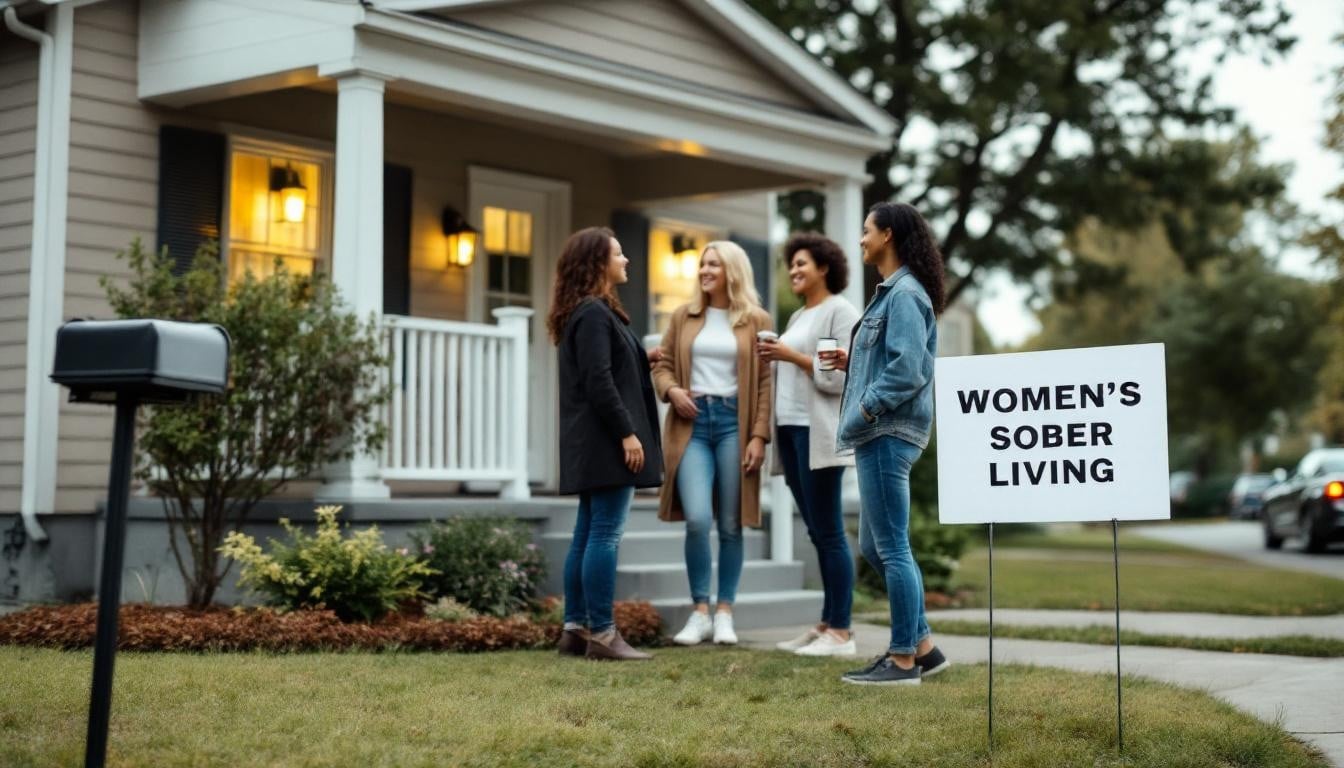
Women in recovery need housing that supports their sobriety without forcing them back into clinical settings. Sober living for females offers exactly that-a bridge between treatment and independent living where accountability meets real-world freedom.
At Addiction Resource Center, we know that finding the right recovery housing can make or break long-term sobriety. This guide walks you through what to look for, what challenges to expect, and how to start your journey in a safe environment.
How Sober Living Differs From Rehab
Sober living homes and rehab serve fundamentally different purposes, and understanding that distinction matters for your recovery. Rehab is clinical treatment where therapists, doctors, and counselors address the root causes of addiction through structured programming, often lasting 28 to 90 days. Sober living, by contrast, is a residential space where you live among peers in recovery without daily clinical services. You don’t attend therapy groups or receive medication management at the house itself. Instead, you apply what you learned in treatment while living in an environment built specifically to prevent relapse.
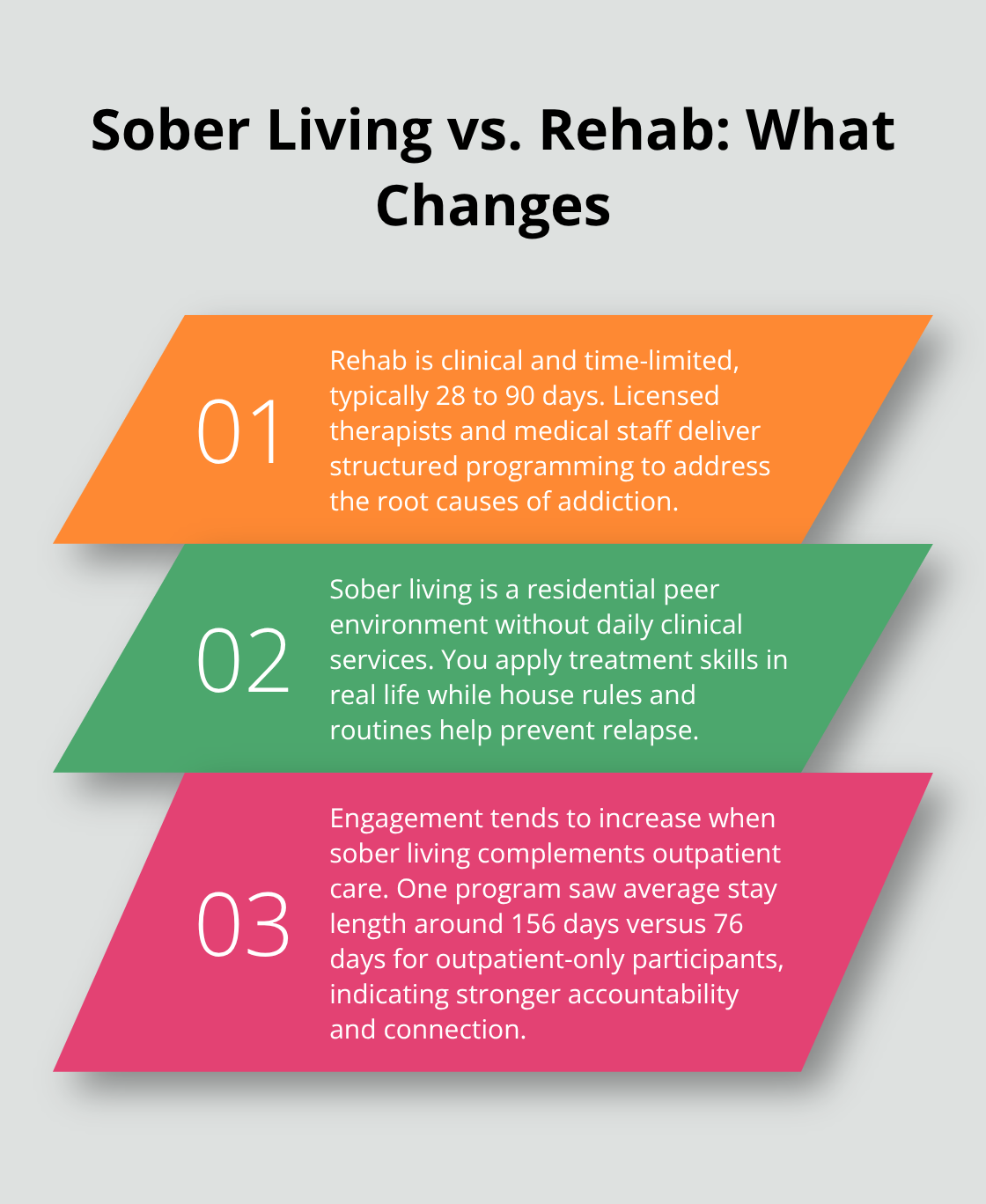
This difference is substantial: research examining an outpatient program found that clients using structured sober living alongside outpatient care stayed in treatment significantly longer, averaging around 156 days compared to 76 days for outpatient-only participants-an 80-day difference in engagement that suggests sober living keeps you accountable and connected to recovery.
Daily Structure Without Medical Oversight
Sober living provides practical structure without the clinical apparatus of rehab. You’ll have house rules, chores, curfews, and regular drug screenings, but these exist to maintain safety and accountability, not as clinical interventions. Focus groups with residents revealed that daily structure and learning life skills ranked as the most valued components of their housing, followed closely by staff presence and peer support. Women specifically noted that having desk staff available and counselors accessible at the residence made them feel genuinely supported without feeling over-managed. You attend support groups or meetings outside the house, maintain employment or pursue education, and participate in household responsibilities. This setup works because it mirrors real life while maintaining guardrails. The National Association of Recovery Residences defines four levels of housing from peer-run to clinically integrated, and most sober living homes operate at Levels I through III, meaning professional staff may be present but they don’t deliver therapy. If you need ongoing counseling, you coordinate that separately through outpatient programs. This separation benefits many women because it allows you to choose your treatment providers rather than accepting one organization’s clinical philosophy.
Why Peer Community Replaces Professional Treatment
The core of sober living is peer support, not professional treatment, and this shift fundamentally changes how recovery works. Living with other women in recovery means you’re surrounded by people navigating identical challenges daily. Research on women-specific recovery housing shows that women-led or all-female communal homes foster a stronger sense of community. You pay for a safe living environment where accountability comes from your housemates, not from clinicians. Relapse policies in quality sober living homes treat setbacks as signals for additional support rather than reasons for punishment or eviction, which means you address problems quickly without losing your housing. The research also indicates that women with trauma histories benefit significantly from gender-specific environments, partly because they eliminate exposure to male influences and create space for honest conversations about safety. Long-term outcomes improve when residents engage in house meetings, participate in democratic governance, and take leadership roles-many women report this gives them back self-trust after addiction eroded it. Unlike rehab, where professionals direct your recovery, sober living places responsibility back in your hands while providing the structure and community to make that responsibility manageable.
What You Actually Pay For
Understanding what sober living costs and what it covers helps you evaluate whether a specific house fits your situation. Monthly fees typically range from $400 to over $1,000 depending on location and included services, though many programs offer financial assistance or sliding scales. Most houses include meals, utilities, and basic recovery support, but some add employment coaching, transportation, or specialized programming like trauma-informed care or nutrition education. Insurance rarely covers sober living, which means most women pay out of pocket or rely on personal finances-a significant barrier that affects how long you can stay. When you tour a facility, ask exactly what’s included in the monthly rate, what extra fees might apply, and whether the house works with any financial assistance programs. This clarity prevents surprises and helps you plan your recovery timeline realistically. The next step is identifying which type of sober living environment actually matches your needs and values.
What to Look for in a Female-Focused Sober Living House
Verify Accreditation and Staff Credentials
Finding a sober living house that fits your recovery needs requires asking direct questions and watching for red flags. The National Association of Recovery Residences defines standards across four levels of housing, with most sober living homes operating at Levels I through III. Accreditation and licensing vary significantly by state-some states regulate recovery housing strictly while others impose minimal oversight. A house’s legitimacy depends heavily on whether it meets standards voluntarily and whether staff have formal training in addiction recovery.
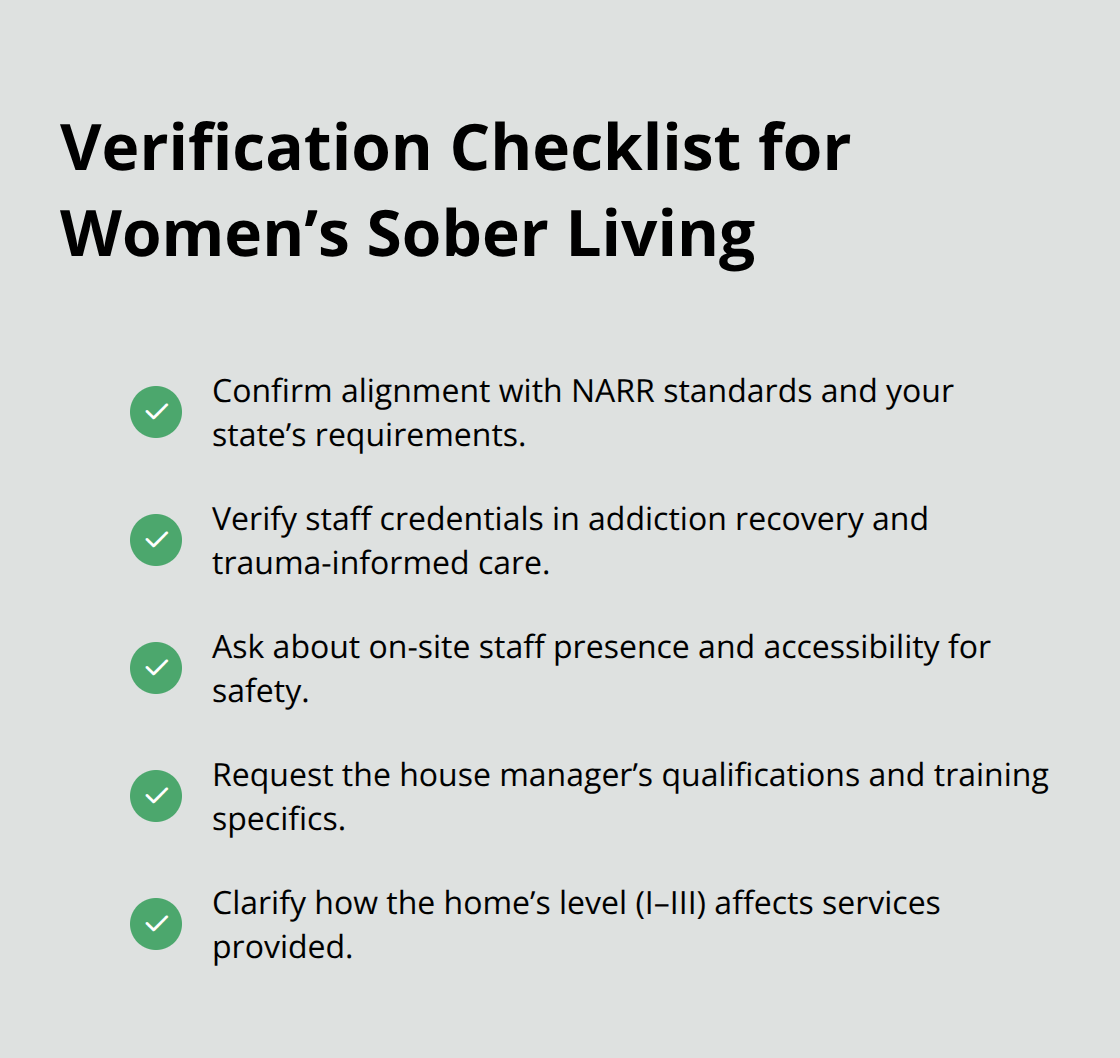
When you contact a facility, ask directly whether they align with SAMHSA guidelines. NARR’s state Affiliates handle recovery housing certification rather than NARR itself. Request information about the house manager’s qualifications: do they have certification in motivational interviewing, crisis response, and intake assessments? Staff presence and accessibility matter enormously to residents’ sense of safety, so verify whether counselors or trained recovery coaches work on-site and what credentials they hold. Many houses claim to be trauma-informed, but genuine trauma-informed care requires staff training on how trauma shapes addiction and recovery-not just the label itself.
Assess Program Philosophy and Relapse Policies
The program’s philosophy toward relapse and accountability reveals whether the house genuinely supports recovery or operates punitively. Focus groups with residents consistently highlighted that structure matters, but structure built on shame doesn’t work. Quality houses treat relapse as a signal to reconnect with treatment rather than grounds for immediate eviction.
Ask the house manager directly how they handle residents who slip, and listen for whether they emphasize reconnection or punishment. Program philosophy should also address medication-assisted treatment clearly. Recovery residences now accept various MOUD methods, but acceptance varies dramatically between buprenorphine and methadone, and staff attitudes matter as much as official policy. If you use MAT, ask whether the house has experience with it, whether clinicians can adjust your treatment protocols, and whether staff view it as legitimate recovery.
Evaluate House Rules and Specialized Services
Examine house rules for reasonableness and flexibility. Curfews, chore assignments, and drug screening make sense, but rules should allow you to work, attend school, or maintain family relationships without impossible restrictions. Some houses offer specialized programming like employment coaching, nutrition education, or yoga and meditation-research links these services to better long-term outcomes and higher employment rates.
Women-specific programming should mean more than female residents; it means staff understand how gender shapes addiction patterns, safety concerns, and recovery priorities. A quality women’s house will have clear policies addressing romantic relationships between residents, visitor screening procedures, and protocols for handling disclosures of domestic violence or sexual trauma. Women with children need to know explicitly whether the house accommodates kids, what support exists for mothers, and whether family involvement is encouraged or discouraged.
Ask the Right Questions Before Committing
Ask about the minimum stay length, typical resident demographics, and whether you can speak with current residents before deciding. A house confident in its program will welcome these conversations. Request information about what the monthly fee covers-most houses include meals, utilities, and basic recovery support, but some add employment coaching or transportation. Insurance rarely covers sober living, which means most women pay out of pocket, so understanding costs upfront prevents surprises and helps you plan your recovery timeline realistically.
Once you’ve identified a few houses that meet these standards, the next step involves understanding what specific challenges women commonly face in recovery housing and how to navigate them successfully.
Real Obstacles Women Encounter in Recovery Housing
The Shortage of Female-Specific Programs
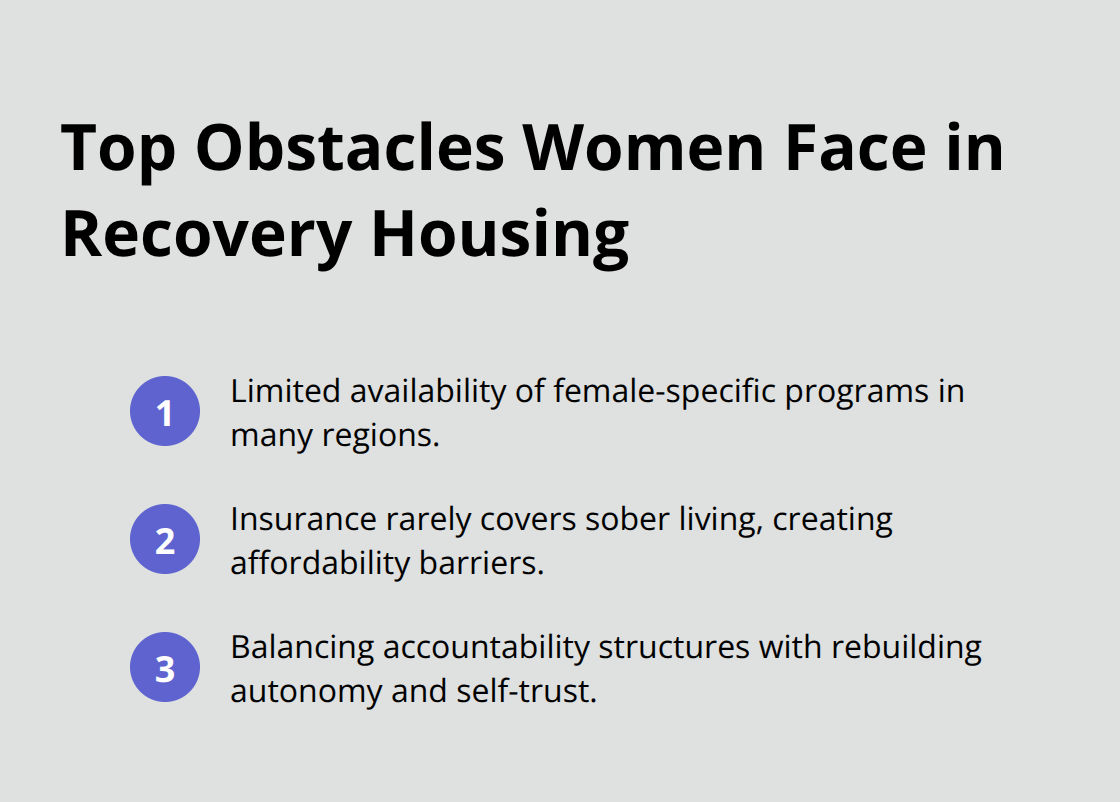
Finding female-specific recovery housing remains genuinely difficult across most of the country. Research from Frontiers in Public Health examined 132 peer-reviewed studies on recovery housing and identified a persistent lack of women-focused options, with most facilities offering co-ed environments that fail to address women’s distinct safety and empowerment needs. Women represent a significant portion of recovery housing residents-they’re actually more likely than men to use structured sober living when it’s available-yet the supply hasn’t kept pace with demand. When women access female-specific housing, they report stronger community bonds and higher self-esteem compared to co-ed settings, which means the gap isn’t just about preference; it’s about measurable recovery outcomes. The shortage forces many women to either accept co-ed housing with its attendant safety concerns or delay recovery while searching for appropriate options. Some regions have virtually no women-centered programs at all, leaving women in those areas with limited choices.
This scarcity also drives up costs in areas where quality female-specific housing exists, creating a secondary barrier that compounds the affordability problem.
The Insurance Coverage Gap
Insurance coverage for sober living is practically nonexistent, and this financial reality shapes every woman’s recovery timeline. Most sober living homes cost between $400 and $1,000 monthly, with specialized programs like trauma-informed or women-led houses often exceeding $1,200, yet insurance rarely covers any of it. Women in recovery frequently face financial instability due to employment gaps during addiction and treatment, making out-of-pocket housing costs impossible to sustain long-term. Research on women in recovery housing showed that financial insecurity directly impeded longer stays, meaning women who most needed extended support often couldn’t afford it. Some houses offer sliding scales or payment plans, but these require upfront inquiry and aren’t standardized across facilities.
Balancing Accountability With Independence
The tension between accountability and independence creates a third challenge that many women underestimate before moving in. Sober living requires you to maintain house rules-curfews, chores, drug screenings-while simultaneously rebuilding autonomy and self-trust that addiction destroyed. Women with trauma histories particularly struggle with this balance because authority figures can trigger past experiences, yet accountability structures feel necessary for safety. Quality houses address this by involving residents in democratic governance and house meetings where rules get discussed rather than imposed, but not all facilities operate this way. Women need to evaluate whether a house’s approach to accountability feels collaborative or controlling before committing, because the wrong fit sabotages recovery regardless of the house’s other strengths.
Final Thoughts
Successful sober living for females depends on three concrete factors: finding a house that matches your specific needs, understanding what financial and logistical challenges to expect, and committing to the transition with realistic expectations. The right environment combines trauma-informed staff, clear relapse policies that prioritize reconnection over punishment, and genuine peer support from women navigating identical recovery challenges. Before you move in, verify staff credentials, ask about program philosophy directly, and tour the facility to assess whether the structure feels collaborative rather than controlling.
Financial planning matters equally-contact houses about sliding scales, payment plans, or assistance programs since insurance won’t cover your stay. NARR’s state affiliates maintain directories of accredited recovery housing in your area, and your treatment provider or therapist can offer referrals to houses they’ve worked with successfully. Many quality programs welcome phone consultations where you can ask detailed questions before committing.
Starting your journey in safe housing means taking action despite uncertainty. Reach out to facilities that interest you, ask the questions outlined in this guide, and trust your instincts about whether a house feels right. At Addiction Resource Center, we understand that sober living for females works best when paired with ongoing outpatient support, and our team can help you coordinate housing with treatment services that address your specific recovery needs.