You may be reading this right after detox, or while helping someone who just got through it. That point in recovery can feel strangely quiet. The crisis of withdrawal may be over, but the bigger question starts pressing in: how do you stay sober when real life comes back? That's where many people first hear …


You may be reading this right after detox, or while helping someone who just got through it. That point in recovery can feel strangely quiet. The crisis of withdrawal may be over, but the bigger question starts pressing in: how do you stay sober when real life comes back?
That's where many people first hear the name acamprosate, sometimes called Campral. If you've been asking what is acamprosate used for, the short answer is this: it's a prescription medication used to help people with alcohol use disorder maintain abstinence after they have already stopped drinking. It is not a detox medication. It does not treat acute alcohol withdrawal. Its role begins after stabilization, when the goal is to protect early sobriety.
In our review of SAMHSA, MedlinePlus, and Mayo Clinic guidance, the key distinction was that acamprosate is a maintenance medication, not an acute treatment. Families often assume any alcohol medication should work the moment someone quits, but acamprosate's clinical job is narrower: supporting the stretch after detox when cravings, sleep problems, and mood shifts still threaten recovery.
For a lot of families, that distinction is where confusion starts. They want immediate relief. Acamprosate works differently. It helps protect sobriety that has already begun.
Table of Contents
- Starting Your Journey to Lasting Sobriety
- How We Evaluated What Acamprosate Is Used For
- How Acamprosate Works to Support Abstinence
- Clinical Use and Proven Effectiveness
- Acamprosate Compared to Naltrexone and Disulfiram
- Dosing Side Effects and Important Safety Information
- Is Acamprosate the Right Choice for You
- Frequently Asked Questions
- How to Start Your Recovery with Addiction Resource Center
Starting Your Journey to Lasting Sobriety
A common moment in recovery goes like this. Someone finishes detox, comes home, sits on the couch, and suddenly feels less relieved than expected. Their body is out of immediate danger, but their mind is still busy. Sleep may be uneven. Mood may swing. Small things can feel sharp and overwhelming. Family members often think, "Detox is done, so why does it still feel so fragile?"
That fragile stage is exactly why ongoing treatment matters.
Acamprosate is one of the FDA-approved medications used in alcohol recovery, but it isn't a magic fix. It works best as one part of a larger plan that includes counseling, structure, accountability, and support from people who understand relapse risk. Some people use it after residential care. Others start it after detox while stepping into outpatient treatment. Either way, the medication is there to support the work of staying alcohol-free, not replace it.
What this stage often feels like
People often describe early sobriety in ways that sound surprisingly similar:
- "I'm not in withdrawal, but I don't feel normal." That in-between phase can be unsettling.
- "I want to stay sober, but evenings are hard." Habit, stress, and routine can still trigger strong urges.
- "I need more than willpower." That's not weakness. It's an honest understanding of how alcohol changes the brain and behavior.
Recovery gets stronger when the plan matches the stage you're actually in, not the stage people assume you should already be past.
A good treatment plan usually spells out what happens if cravings rise, if sleep falls apart, if a relapse happens, or if another medical issue complicates medication choices. If you want to see how clinicians organize that kind of thinking, these detailed treatment plan templates can help make the process more concrete.
What Acamprosate is used for in plain language
The cleanest answer is this: Acamprosate is used to help a person stay abstinent from alcohol after they have already stopped drinking.
That wording matters. Families often confuse it with medications used during detox, or with medications that mainly aim to reduce the reward of drinking. Acamprosate's role is narrower, but also very valuable. It helps support the brain and nervous system after alcohol has been removed, which can make long-term recovery feel more stable and more manageable.
How We Evaluated What Acamprosate Is Used For
In our clinical content review, the key distinction was separating acamprosate's actual indication from common misconceptions. This article was built by reviewing guidance from SAMHSA, MedlinePlus, the Mayo Clinic, and FDA labeling, then cross-checking claims against peer-reviewed sources including Cochrane systematic reviews and NCBI Bookshelf summaries.
Common questions include: when is acamprosate started, who is a good candidate, what does "already abstinent" mean in practice, and how does it compare with naltrexone and disulfiram? Claims were disqualified if they implied acamprosate treats acute withdrawal, reduces the pleasure of drinking, or works as a stand-alone solution without counseling.
Comparative statements about naltrexone and disulfiram were limited to supported guidance from FDA labeling and clinical reviews. Where evidence was weaker, we noted it explicitly rather than presenting opinion as fact.
How Acamprosate Works to Support Abstinence
A common early-recovery scene looks like this. Someone has stopped drinking, the dangerous withdrawal phase has passed, and family members expect things to feel better. Instead, evenings still feel tense, sleep is shaky, and the person says, "I'm sober, but my brain still feels loud."
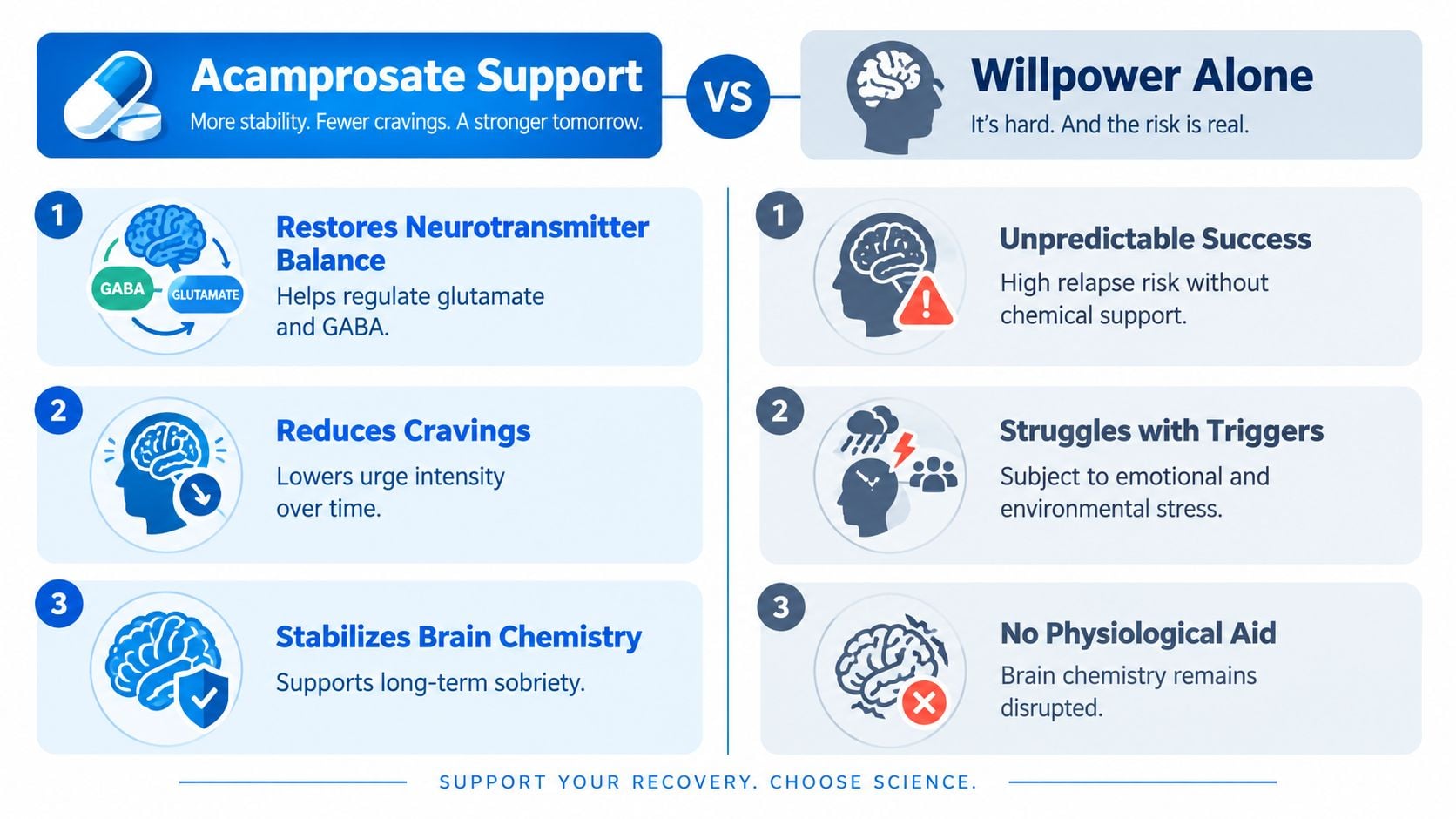
That is the stage acamprosate is meant for.
Alcohol repeatedly pushes the brain's signaling system out of its normal range. Over time, the brain adjusts so it can keep functioning in alcohol's presence. Once alcohol is gone, those adjustments do not switch off overnight. The result can be a nervous system that feels stuck on high alert, even after detox is over.
A useful comparison is a car alarm that has become too sensitive. Nothing dangerous is happening, but the system still reacts as if something is wrong. Acamprosate helps calm that overreaction so the brain has a better chance to settle back into a steadier rhythm.
At the brain-chemistry level, acamprosate appears to help balance systems involved in glutamate and GABA signaling. You do not need to memorize those names. The practical point is simpler. During early abstinence, the brain can stay overstimulated, and acamprosate may reduce some of that internal strain.
That matters because abstinence comes first. Acamprosate supports recovery after drinking has stopped. It is not a detox medication, and it does not make it safe to stop heavy alcohol use without medical help. For a broader overview of where it fits within treatment, this guide to medication-assisted treatment for alcohol use disorder can help.
In daily life, this often means the person has a little more breathing room between a trigger and the urge to drink. Stress may still show up. Poor sleep may still happen. But the whole system can feel less raw, which gives counseling, routines, and family support a better chance to work.
Clinicians often describe acamprosate as a medication that supports stability during abstinence. That wording matters for families. If someone is still drinking regularly, the first step is usually to address safe withdrawal, get alcohol out of the system, and then decide whether acamprosate fits the next phase of care.
Kidney health also needs attention before starting it, and that step is easy to miss in general online articles. Acamprosate is cleared through the kidneys, so people with kidney disease may need a different plan, a dose adjustment, or may need to avoid the medication entirely depending on how severe the problem is. This is one reason a full medical review matters, especially for older adults and for anyone with chronic medical conditions.
The medication works best as one part of a larger recovery plan. That plan usually includes counseling, follow-up visits, relapse planning, and practical support at home. Clinicians who want more background on training in this area can review this 2026 guide to SUD training.
A simple way to remember acamprosate's role is this. First, stop drinking safely. Next, help the brain stay steady enough to keep going. Acamprosate is one tool that can support that second step.
Clinical Use and Proven Effectiveness
A common real-life question sounds like this: "My husband stopped drinking three days ago. Is acamprosate something he can start now, or is it too early?" That question gets to the heart of how this medication is used in clinic.
Acamprosate is used to help people stay alcohol-free after they have already stopped drinking. Its clinical role is maintenance of abstinence. For families, that phrase can feel technical, so here is the practical meaning. The medication is meant for the stretch of recovery that begins after alcohol is out of the system and a person is working to protect early sobriety.
What "already abstinent" means in practice
"Already abstinent" does not mean a person has to be fully settled, sleeping well, or feeling strong. Early recovery is often messy. It means the person is no longer actively drinking and has made it through the immediate step of stopping alcohol, often with medical help if withdrawal risk is present.
That timing matters because acamprosate is not designed to help someone keep drinking less. It is designed to support people who have entered the next phase and want help staying there.
A simple way to picture it is this. If alcohol use disorder is like a house fire, detox handles the flames. Acamprosate helps with the hot walls and smoke that linger after the fire is out, the part that can make it hard to live safely in the house again.
How clinicians use it in the real world
In treatment settings, acamprosate is often started soon after detox or once a person has reached abstinence and is medically stable enough to begin a maintenance plan. That plan usually includes follow-up visits, counseling, relapse prevention, and support at home. Readers who want a broader overview of medication options can review this guide to MAT treatment for alcohol.
This section is also where kidney disease deserves special attention. Acamprosate is cleared by the kidneys, so the prescriber usually checks kidney function before starting it. For someone with moderate kidney impairment, the dose may need to be lowered. For someone with severe kidney disease, a different medication may be the safer choice. That is one reason the abstinence-first roadmap should include a medical review, not just a prescription request.
If a person drinks again while taking acamprosate, clinicians do not treat that as proof the medication "failed." They look at what happened. Was there untreated withdrawal, depression, poor sleep, housing stress, skipped doses, or a kidney issue that changed the treatment plan? Recovery care works best when these details are examined directly.
What the evidence shows
Acamprosate is used primarily to help adults with alcohol use disorder maintain abstinence after they have stopped drinking and completed, or are completing, withdrawal management. It is not a medication for emergency alcohol detoxification, and it does not treat intoxication. Its role begins after stabilization, when the treatment goal is to reduce the likelihood of returning to alcohol use. The medication is generally provided alongside counseling, recovery planning, peer support, or another psychosocial intervention rather than as a stand-alone solution. This makes acamprosate relevant to ongoing recovery care rather than acute crisis management NCBI Bookshelf summary of acamprosate indications.
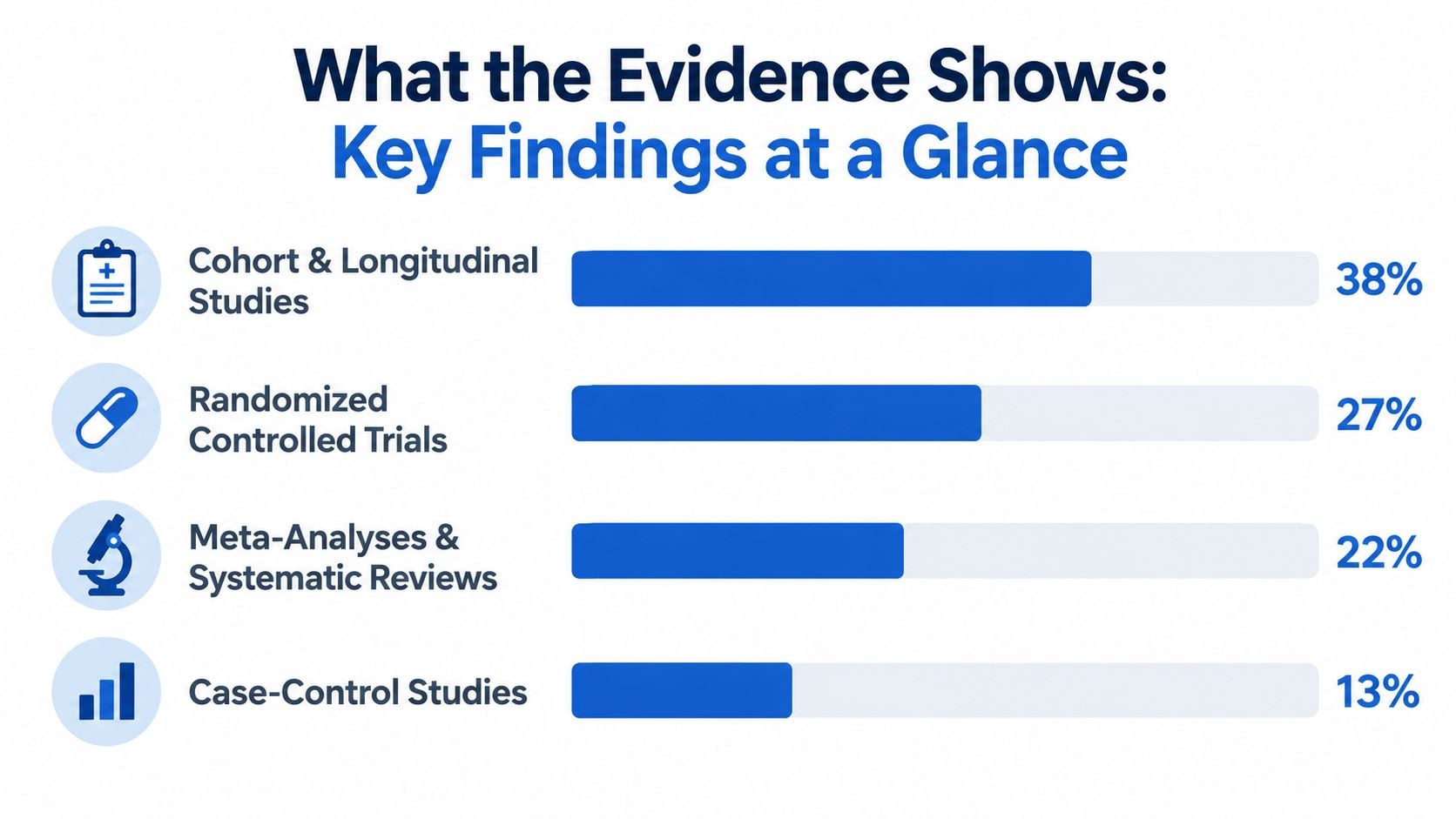
Clinical research supports acamprosate as a useful medication for maintaining sobriety after alcohol detoxification. A Cochrane systematic review found that, when added to psychosocial treatment, acamprosate reduced the risk of returning to any drinking compared with placebo: the relative risk was 0.86, with a 95% confidence interval of 0.81 to 0.91. The review estimated a number needed to treat of approximately 9, meaning that treating about 9 people with acamprosate rather than placebo would result in 1 additional person avoiding a return to drinking under the analyzed conditions BMJ systematic review of acamprosate outcomes.
Acamprosate has a substantial international evidence base and is generally used as part of continuing-care treatment rather than acute withdrawal management. Before U.S. approval, 13 European randomized, placebo-controlled trials conducted between 1990 and 2002 evaluated acamprosate with psychosocial interventions in approximately 4,000 people who met criteria for alcohol dependence and had undergone detoxification. A World Health Organization review reported that these studies found a number needed to treat of 10 for an additional patient to remain abstinent FDA label and clinical review of acamprosate.
Placebo-controlled trials further support these findings, showing that acamprosate leads to better abstinence outcomes than placebo when combined with standard psychosocial care Drugs.com overview of acamprosate evidence.
The practical takeaway is straightforward. Acamprosate does not erase stress, fix relationships, or remove every craving. It can improve stability during abstinence so a person has a better chance of holding on to the progress they have already fought hard to build.
Medication alone is rarely enough. People usually do better when acamprosate is paired with therapy, recovery meetings, family education, and a clear plan for what to do if cravings or relapse warning signs show up. Families who want to understand how clinicians are trained to build those plans can read this 2026 guide to SUD training.
Acamprosate helps protect sobriety that has already started. The rest of treatment helps a person build a life that can support it.
Acamprosate Compared to Naltrexone and Disulfiram
People often assume all alcohol treatment medications do the same thing. They don't. Acamprosate, naltrexone, and disulfiram each have a different job. Knowing the difference can make treatment decisions feel much less confusing.
Three medications with three different jobs
Acamprosate is built for the person who has already stopped drinking and wants help staying stopped. Its role is to support abstinence maintenance by helping the brain settle after alcohol use has ended.
Naltrexone works differently. Rather than focusing on post-abstinence brain stabilization, it is commonly used to reduce the rewarding effect of alcohol. That can make it a better fit for some people whose main struggle is the pull of alcohol's pleasurable effects. If you want a focused overview, this guide to naltrexone for addiction explains that approach well.
Disulfiram has a third job. It is an aversion medication. Its value comes from creating a strong deterrent to drinking, which can be useful for some highly motivated people who have structure and supervision around them.
MAT for Alcohol Use Disorder at a Glance
| Medication | How It Works | Primary Goal | Best-Fit Use Case | Key Contraindication |
|---|---|---|---|---|
| Acamprosate | Helps restore brain balance after alcohol cessation | Maintain abstinence | Person already abstinent; liver concerns present | Severe renal impairment |
| Naltrexone | Reduces the rewarding effects associated with alcohol | Lower motivation to drink | Person reducing drinking or at high relapse risk from cravings | Acute hepatitis or liver failure |
| Disulfiram | Creates an unpleasant reaction if alcohol is consumed | Deter drinking | Highly motivated person with strong supervision | Cognitive impairment or inability to adhere to abstinence |
A major reason acamprosate stands out is its safety profile in people with liver concerns. According to the NCBI Bookshelf review of acamprosate, acamprosate is not metabolized by the liver, has minimal drug interactions, and has virtually no overdose risk or potential for tolerance or dependence.
That doesn't automatically make it the right choice for everyone. It does make it an especially important option when liver health is part of the conversation.
| Medication | How It Works | Primary Goal | Key Consideration |
|---|---|---|---|
| Acamprosate | Helps restore brain balance after alcohol cessation | Maintain abstinence | Best suited for people who are already abstinent when treatment begins |
| Naltrexone | Reduces the rewarding effects associated with alcohol | Lower motivation to drink | Fit depends on a person's drinking pattern, goals, and medical history |
| Disulfiram | Creates an unpleasant reaction if alcohol is consumed | Deter drinking | Requires commitment, education, and careful follow-through |
When acamprosate may be the better fit
Acamprosate often rises to the top of the list when a patient's situation looks like this:
- Abstinence has already started. The person has completed detox or otherwise stopped drinking.
- The goal is full sobriety, not moderation. Acamprosate is aligned with abstinence maintenance.
- Liver issues complicate medication choices. Because it isn't metabolized by the liver, it can be a valuable option in those cases.
- Long-term maintenance matters more than immediate craving interruption during active drinking. That timing difference is central.
Choosing among alcohol medications isn't about which one is "strongest." It's about matching the medication to the person's stage of recovery and medical reality.
Dosing Side Effects and Important Safety Information
A common real-life moment happens a few days after detox. Someone is home, trying to hold onto early sobriety, and asks, "If this medicine is supposed to help me stay alcohol-free, how do I take it without getting confused or missing doses?" That question matters, because acamprosate works best after drinking has stopped and when the schedule is followed closely.
What taking it looks like day to day
The usual adult dose is 666 mg, taken as two tablets three times a day. For many people, that means breakfast, afternoon, and evening. A simple routine helps. A pill organizer, phone alarm, or support from a family member can make the first month much easier.
The three-times-daily schedule can feel like a lot at first. That does not mean the medication is a poor fit. It means the plan needs to match real life. If someone already knows midday doses are hard to remember because of work, school, or child care, it is better to bring that up before starting.
Acamprosate is used to support abstinence, not to manage active alcohol withdrawal and not as a way to make ongoing drinking safer. That abstinence-first rule is easy to miss, but it is one of the most important parts of using the medication correctly.
Side effects patients and families should know about
Many people tolerate acamprosate reasonably well. The side effect reported most often is diarrhea. Some people also notice stomach upset, nausea, gas, headache, dizziness, trouble sleeping, anxiety, or changes in appetite. These problems are often mild and may ease as the body adjusts, but they still deserve attention if they interfere with daily life or make someone want to stop the medication.
Here is a practical way to think about side effects. Early recovery already puts stress on the brain and body. Adding a new medication can create a little extra noise at first, and it can be hard to tell what is from healing, what is from stress, and what is from the medicine. That is why checking in with a prescriber during the first few weeks is so useful.
Call a clinician promptly if side effects feel severe, if mood changes become concerning, or if there are signs of an allergic reaction.
Safety information that often gets overlooked
Acamprosate is not addictive, which can reassure people who worry about replacing one substance with another. As noted earlier in the article, it also has a favorable safety profile and very few drug interaction concerns.
The bigger safety issue is kidney function.
This is the part families often do not hear enough about. Acamprosate leaves the body through the kidneys, so prescribers need to know about kidney disease, reduced kidney function, dialysis, or a history of abnormal kidney labs before writing the prescription. In some cases, the dose needs to be reduced. In severe kidney impairment, acamprosate may not be appropriate at all.
That is why the roadmap starts before the first tablet:
- Confirm abstinence. The person should already be through detox or otherwise no longer drinking.
- Review kidney health. Recent lab work may be needed, especially for older adults or anyone with known kidney problems.
- Set a dosing routine. Tie each dose to a regular part of the day.
- Monitor early symptoms. Track side effects, mood, and missed doses.
- Keep recovery support in place. Medication works better when it is paired with counseling, follow-up care, and a relapse-prevention plan.
If the schedule feels hard to keep, say that early. Missed doses are a treatment problem that can be solved, not a personal failure.
For many patients, the main challenge is not danger. It is consistency. Acamprosate helps most when the person has already stopped drinking, understands why kidney screening matters, and takes the medication steadily as part of a larger recovery plan.
Is Acamprosate the Right Choice for You
The best candidate for acamprosate usually isn't just "someone with alcohol use disorder." The better question is whether the medication fits the person's current stage, recovery goal, and medical picture.
Who tends to be a good fit
Acamprosate is often a strong option for someone who:
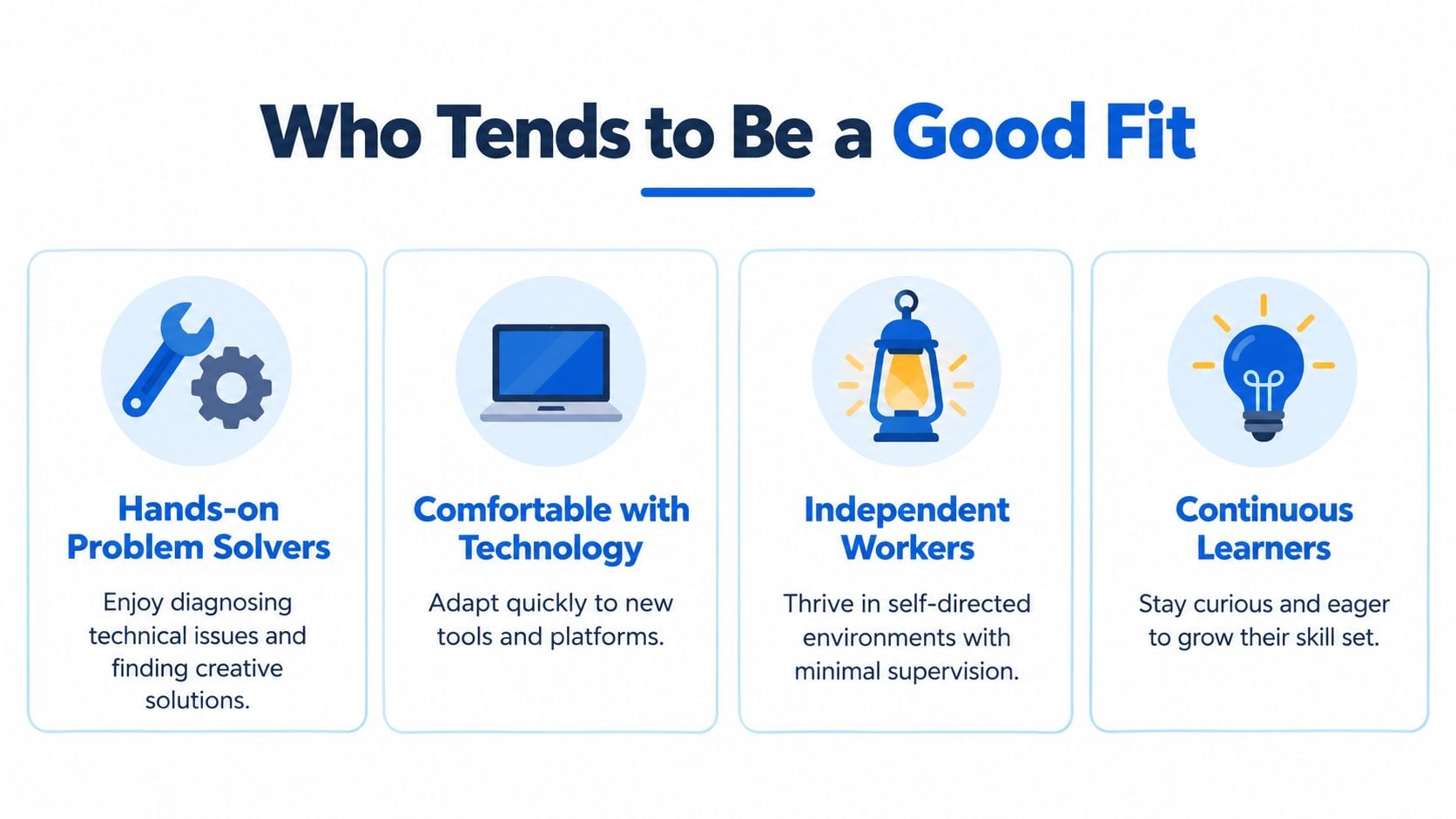
- Has already completed detox or otherwise became abstinent
- Wants to maintain full sobriety
- Feels vulnerable to relapse during early recovery
- Is willing to pair medication with counseling or recovery support
- Needs an option that may be preferable when liver concerns are present
If that sounds like you or your loved one, the medication may deserve a serious discussion with a treatment professional. If the person is still actively drinking, still withdrawing, or unsure whether abstinence is the goal, another starting point may make more sense.
Here's a short video that helps frame the broader recovery conversation:
Kidney health and precision dosing
One often-missed issue is renal function. Recent information emphasizes precision dosing for acamprosate, meaning the standard regimen may need to be adjusted for patients with moderate renal impairment, and that nuance is especially important for aging adults and veterans who may have higher rates of chronic kidney disease, according to GoodRx guidance on acamprosate.
Acamprosate is a very good medication, but its effectiveness depends on safe prescription. A person with kidney disease should not assume the standard dose is automatically the right one. They should ask direct questions.
Consider bringing these questions to an appointment:
- "Have my kidneys been checked recently?"
- "Do I need a dose adjustment?"
- "If I relapse, should I keep taking it or pause and call?"
- "What signs would mean this medication isn't the best fit for me?"
A careful medication plan is often what turns a good idea into a safe and workable one.
For more on mental health and alcohol treatment options, Providers for Healthy Living's page offers additional clinical perspective on how medication decisions fit into broader recovery planning.
Frequently Asked Questions
What does acamprosate actually do?
Acamprosate helps the brain settle after alcohol has been removed. It does not detox you, it does not reduce the pleasure of drinking, and it does not create an aversive reaction to alcohol. Its job is maintenance: supporting people who have already stopped drinking and want help staying stopped.
Does acamprosate help with sleep?
Sleep problems are common in early recovery, and acamprosate may indirectly support better sleep by reducing the overstimulated state that can follow prolonged alcohol use. However, it is not a sleep medication. If insomnia persists, clinicians usually address it separately as part of a broader recovery plan.
How does acamprosate make you feel?
Not everyone feels a dramatic change when starting acamprosate. Some notice fewer cravings or a slight reduction in anxiety, while others notice no change. Side effects such as diarrhea or stomach upset can occur, especially in the first few weeks. If side effects become severe or mood changes are concerning, contact a prescriber promptly.
What medication is commonly used for alcohol use disorder?
The three FDA-approved medications are acamprosate, naltrexone, and disulfiram. Each has a different mechanism: acamprosate supports abstinence maintenance, naltrexone reduces the rewarding effects of alcohol, and disulfiram creates an aversive reaction to drinking. The best choice depends on the person's stage of recovery, liver and kidney health, and treatment goals.
Can I drink while taking acamprosate?
Acamprosate is designed for people who have already stopped drinking. If a person drinks while taking it, clinicians usually view that as a signal to reassess the treatment plan rather than proof the medication failed. The medication works best when abstinence is the clear goal.
How long does it take to work?
Acamprosate is usually started within a few days of completing detox, once the person is medically stable. Clinical benefits on abstinence outcomes are typically assessed over weeks to months, not days. Consistency matters more than speed: the medication works best when taken as prescribed alongside counseling and support.
How to Start Your Recovery with Addiction Resource Center
Information helps, but recovery gets real when someone takes the next step. For a person who may benefit from acamprosate, that next step usually isn't "just ask for a prescription." It's getting a full evaluation, making sure detox has been handled safely, reviewing kidney and liver considerations, and building a treatment plan that includes therapy and support.

Addiction Resource Center LLC serves adults in Yuba City and Northern California with a full continuum of care for substance use disorders and co-occurring mental health needs. That includes medically supervised detox with medication-assisted treatment, Intensive Outpatient Program options in person and by telehealth, and residential rehabilitation through its partner facility, Ona Treatment Center in Browns Valley.
Care is delivered by a multidisciplinary team that includes a medical doctor, registered nurse, licensed counselors, an LMFT, and recovery mentors. That matters because medication decisions are only one part of lasting recovery. People also need accountability, education, relapse prevention, and personalized aftercare.
If you want a clearer sense of what long-term support can look like after detox or early stabilization, this overview of how the clinic supports lasting recovery is a helpful place to start.
For local families, practical access also matters. Addiction Resource Center LLC is located at 1002 Live Oak Blvd., Suite A, Yuba City, CA, welcomes adults 18+, accepts most major insurance plans, and welcomes TRICARE beneficiaries. The center also offers a 24/7 phone and text line at 530-625-7910 for people who need guidance right away.
If you or someone you love is trying to figure out whether acamprosate belongs in a recovery plan, Addiction Resource Center LLC can help you sort out the next step with compassion and clarity. Whether you need detox, MAT, outpatient support, or guidance for a family member, reaching out can turn uncertainty into a real plan.