No drink is proven to guarantee a negative drug test. Learn why detox drinks aren’t reliable, what dilution means, and where to find support in Yuba City.

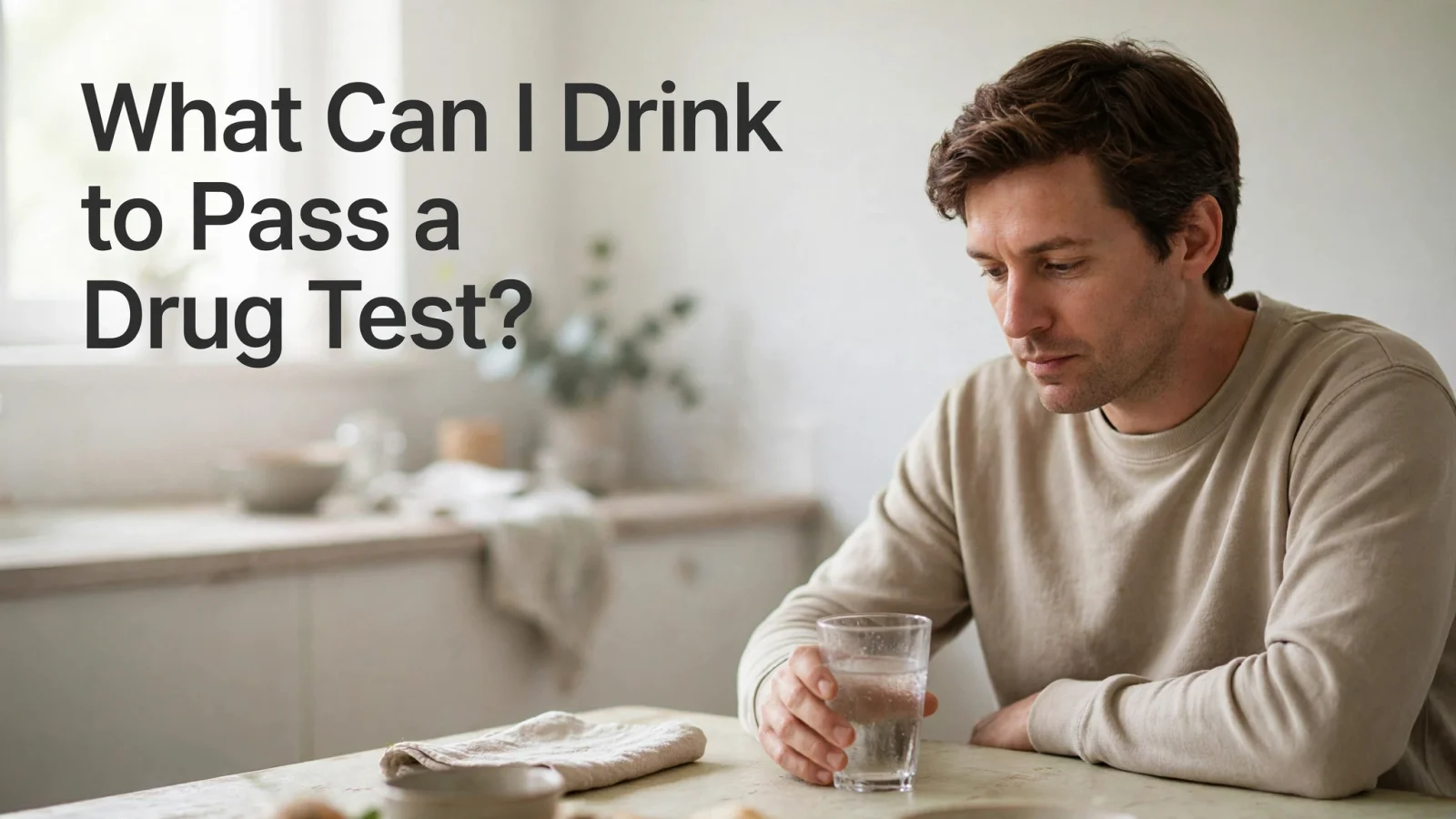
No drink is proven to reliably clear drugs from your body or guarantee a negative drug test. Drinking excessive water might dilute a urine sample, but that physical process does not eliminate a substance from your system. Regulated testing programs regularly check sample validity to identify attempts at masking use, meaning a diluted sample often results in a flagged test rather than a passing grade. Forcing large amounts of fluid can also cause dangerously low blood sodium, which requires emergency medical intervention. If you are asking what can I drink to pass a drug test because you are worried about employment, supervision, or a treatment program, you need facts rather than a temporary shortcut.
Every year, thousands of people search online forums and retail shelves looking for herbal teas, fruit juices, commercial cleanse beverages, or chemical concoctions to erase evidence of recent substance use. Popular myths suggest that downing cranberry juice, apple cider vinegar, pickle juice, or excessive amounts of tap water will wash metabolites out of the bloodstream overnight. In reality, these approaches misrepresent human anatomy and the chemistry behind modern toxicological screening. Find out the exact type of test you will take, and speak with the testing program or a medical professional about your options. People looking for ongoing support can contact Addiction Resource Center LLC to discuss adult substance use treatment in Yuba City, which offers a structured path forward instead of relying on unproven detox beverages.

The Difference Between Dilution and Elimination
Your body processes different substances at different rates. The liver breaks down chemical compounds into metabolites, and the kidneys filter those byproducts out of the blood so they can leave the body through urine. This metabolic clock depends on the specific drug, the frequency of use, your overall health, and the substance’s half-life. Cannabis metabolites bind to fat cells and release slowly over weeks, while water-soluble drugs might process through the system in a matter of days. You cannot speed up this internal filtration system by flooding your stomach and bladder with liquid.
The internal pathway responsible for clearing drugs relies primarily on hepatic enzymes, which metabolize parent compounds at an intrinsic, fixed rate. Drinking fluids does not accelerate enzymatic activity in liver cells, nor does it force stored chemical residues out of fatty tissues. When you consume liquids, whether pure water or an expensive store-bought beverage, the fluid passes through the digestive tract into the bloodstream, where the kidneys quickly filter the excess volume to maintain proper fluid balance. The kidneys dump that excess fluid directly into the bladder. That process alters only the liquid currently collecting in the bladder, leaving the underlying drug reservoir inside body tissues unchanged.
For urine drug testing, fluid intake can influence drug concentrations and test outcomes, as StatPearls’ overview of drug testing notes.
Most commercial detox kits simply bundle standard hydration with ingredients meant to disguise the physical signs of overconsumption. These formulations often combine large amounts of water with high doses of B-complex vitamins, creatine powder, and mild herbal diuretics such as dandelion root or juniper berry. The diuretic herbs stimulate more frequent urination, while the B vitamins impart an artificial yellow color to otherwise clear urine. The creatine is included in an attempt to elevate urinary creatinine levels that plummet when someone drinks excessive water. Despite impressive product packaging and bold retail promises, these ingredients do not clear chemical metabolites from the liver, blood, or adipose tissue.
Lowering the concentration is a physical masking effect rather than a medical cleanse. The metabolites remain present in your bloodstream and fat cells. As soon as your fluid intake returns to normal and the excess water leaves your body, the remaining metabolites continue filtering into your urine at their normal, detectable concentrations. Relying on a drink requires timing the dilution perfectly with the sample collection, which is highly unpredictable and frequently detected by modern laboratory equipment. If your bladder fills too early, the body may release a concentrated volume of urine before you reach the clinic; if it fills too late, the sample collected will carry the exact concentration the laboratory is calibrated to find.
How Laboratories Detect Diluted Samples
Testing facilities understand how dilution works and calibrate their equipment to catch it. When a technician collects a urine sample, the laboratory tests for more than drug metabolites. The initial screen includes a specimen validity test to ensure the sample is actual, unadulterated human urine.
Modern drug testing operates in two distinct stages: an initial immunoassay screen followed by confirmatory instrumental testing. The initial immunoassay uses targeted antibodies to detect the presence of specific drug classes above predefined cutoff thresholds. If a sample contains enough water to drop metabolite concentrations below that initial threshold, the immunoassay may produce an initial negative signal. Because tampering and dilution are widespread, laboratories pair that chemical screen with immediate specimen validity testing. These automated protocols evaluate the basic biological properties of the liquid before any result is reported.
Laboratories check validity by measuring specific gravity and creatinine. Specific gravity shows the concentration of dissolved particles in the urine compared to pure water. Creatinine is a natural metabolic byproduct of muscle tissue breakdown that appears at relatively stable, predictable levels in a healthy person’s urine. When someone drinks a gallon of water or uses a fluid-heavy detox product before an appointment, both their specific gravity and their creatinine drop significantly. The testing equipment registers these abnormally low levels immediately.
Specimen validity protocols also inspect sample temperature right at collection. The collector records the temperature of the cup within four minutes of urination, verifying that the sample sits between 90 and 100 degrees Fahrenheit. If a donor brings synthetic fluids or foreign liquids to substitute for their own urine, the temperature check often flags the substitution on the spot. Technicians also evaluate pH levels and examine the specimen for chemical adulterants like bleach, glutaraldehyde, pyridinium chlorochromate, or nitrates that people sometimes ingest or introduce into collection cups.
The laboratory reports this result back to the employer, court, or agency as a dilute specimen. Laboratories typically classify these findings into two categories: positive dilute and negative dilute. A positive dilute means that despite extensive dilution, the concentration of drug metabolites remained high enough to exceed the cutoff threshold, resulting in a confirmed positive result. A negative dilute means that no drug metabolites were detected above the threshold, but creatinine and specific gravity levels were abnormally depressed. Instead of a passed test, a dilute result serves as an official flag that the sample lacks the normal characteristics of human urine, strongly suggesting the donor consumed excessive fluids to alter the outcome.
The Medical Danger of Water Loading
Attempting to dilute a sample by drinking excessive amounts of water carries severe physical risks. The average adult kidney processes a limited amount of water per hour. Exceeding this limit traps excess fluid in the bloodstream, which rapidly dilutes the sodium concentration in your body.
The Mayo Clinic overview of hyponatremia describes hyponatremia as low blood sodium and identifies it as a potentially dangerous condition.
Normal kidneys excrete free water through a delicate balance governed by antidiuretic hormone. When a person forces gallons of liquid into their stomach over two or three hours in a panicked attempt to cleanse their system, the rate of fluid intake outpaces renal excretion capacity. Blood osmolality drops sharply. The bloodstream becomes hypotonic compared to the surrounding tissues, forcing water across cellular membranes throughout the body.
This cellular swelling produces immediate physical symptoms. The reaction begins with mild nausea, a headache, and general fatigue. As the brain cells begin to swell against the skull, the condition rapidly escalates to severe confusion, muscle weakness, cramping, and potentially fatal seizures. Because the rigid cranial vault cannot expand to accommodate swollen brain tissue, intracranial pressure increases rapidly, cutting off localized blood flow and disrupting vital regulatory centers. Anyone experiencing extreme lethargy, sudden confusion, or severe muscle spasms after rapid water consumption requires immediate emergency medical care to prevent permanent neurological damage.
Test Types and Program Rules Dictate the Process
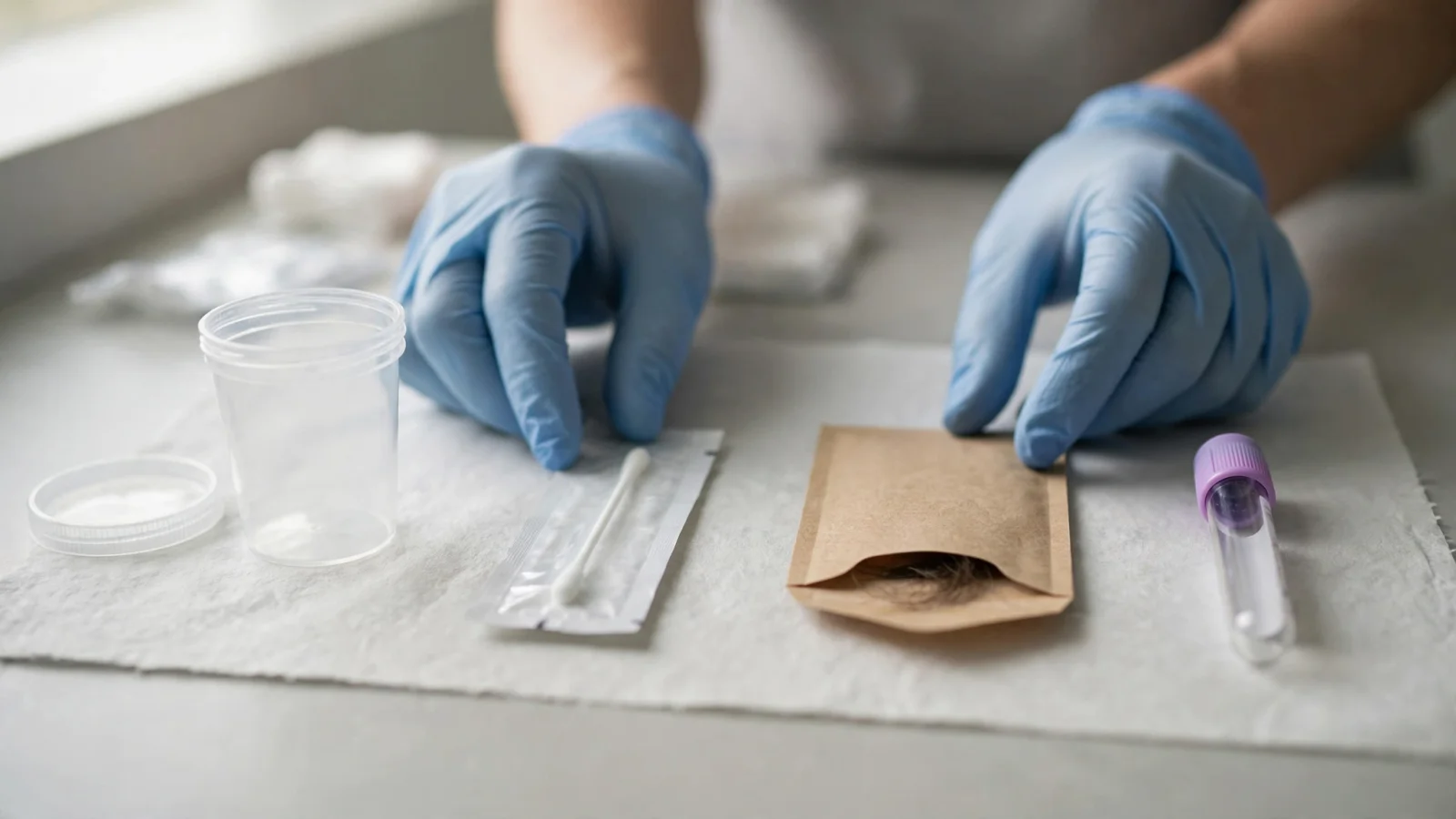
People often assume that all tests follow the same procedures, but testing methods vary widely depending on the organization. A strategy built around diluting urine is useless if the facility uses a different specimen type. Testing may involve oral fluid, hair follicles, blood, or sweat patches.
Those specimen types have distinct detection windows, as a drug-testing overview in StatPearls explains. Scalp hair typically reflects exposure over about three months, while oral-fluid detection varies by substance and is typically up to 48 hours. Blood testing generally has a detection window of one to two days, and sweat patches provide a cumulative measure of exposure during the time they are worn, with a detection window that can range from several hours to several weeks.
Even when a program uses urine, the rules for handling a dilute result differ based on the authority requesting the screen. Federal and Department of Transportation testing programs enforce strict procedural rules. The federal framework for transportation workers includes formal updates, such as the final rule recorded in official Department of Transportation Part 40 history effective June 10, 2026. DOT protocols outline exact steps a medical review officer must take after receiving a dilute result, and those steps often require the employer to order an immediate retest under direct observation. In these federally regulated environments, a negative dilute sample does not simply disappear; the regulations require specific, unyielding employer responses to ensure public safety.
Policies outside those federal guidelines depend entirely on the specific employer, court, or clinical program. SAMHSA’s federal civilian workplace guidance explicitly notes that federal civilian agency rules are distinct from DOT regulations, and private organizations hold wide latitude to define their own policies. A probation officer might treat any dilute sample as an automatic failure and a violation of release conditions, triggering sanctions, revoked privileges, or judicial hearings. A private employer might allow one unobserved retest or rescind a job offer immediately upon receiving the dilute flag. Other employers may require candidates to pay for their own follow-up screening within a rigid 24-hour window, leaving zero time for further avoidance strategies.
Home tests are qualitative, so they report whether a drug is detected in urine, not how much is present. The FDA recommends sending a sample to a laboratory after a preliminary positive result, and notes that a negative result does not rule out drug use because no test of this type is 100% accurate and test selection, timing, and storage can affect results.
Consumer test strips purchased at local retail stores rarely measure creatinine, specific gravity, or chemical adulterants. A strip might show a faint negative line simply because the sample contains mostly tap water, giving the user a false sense of security. When that individual provides a sample at an accredited laboratory, the automated equipment flags the low specific gravity, rejects the validity of the sample, and subjects the specimen to confirmatory testing. Believing that a negative home screen proves you are ready for a workplace panel frequently leads to unexpected, painful consequences.
Handling Prescribed Medications and Test Results
Patients taking valid prescriptions often worry about failing a workplace screen. Common medications like amphetamines for attention disorders or benzodiazepines for anxiety will trigger a positive preliminary result on many standard panels. You should never stop taking a prescribed medication or alter your daily dosage to manipulate a screening result.
Stopping therapeutic medications abruptly can cause acute medical crises, including rebound panic attacks, dangerous spikes in blood pressure, destabilized mood disorders, or severe psychological distress. Furthermore, standard workplace panels are built with full awareness that employees take legally prescribed therapeutic drugs. An initial non-negative result on an immunoassay is neither a final failure nor an automatic termination event; it is simply a signal that requires verification by an independent medical authority.
Regulated programs use a Medical Review Officer to handle these exact situations. The reviewer acts as an independent medical gatekeeper between the laboratory and your employer. When a lab reports a non-negative result, the reviewer contacts you privately before sending any information to the company. Providing your prescription number and pharmacy contact details allows the reviewer to verify your medical record, and once verified, they report a negative result to your employer.
The Medical Review Officer interview is private, structured, and legally binding. During this exchange, the reviewer checks the dispensing date, the prescribing physician’s authorization, and whether the concentration detected in the laboratory aligns with your prescribed dosage schedule. Your employer never receives a list of your medical conditions or the names of the medications you take; they receive only a final determination indicating that the test was verified negative.
Attempting to hide a legitimate prescription with a detox drink disrupts this secure process. It creates a suspicious dilute sample that your employer will see, complicating a medical review designed specifically to protect your privacy and your job. When you hand in a diluted sample, the laboratory records a validity failure that bypasses normal medical verification channels. Instead of showing an authorized prescription that the reviewer can clear in a few minutes, you generate an administrative red flag that casts doubt on your honesty.

Finding Honest Support and Treatment Options
Facing a drug test can highlight a substance use pattern that requires professional attention. If the prospect of a screening causes anxiety, seeking professional guidance provides a safer long-term solution than searching for a chemical loophole.
Worrying constantly about surprise drug screens, planning work shifts around detection windows, and spending money on dubious cleansing drinks are reliable signs that substance use has begun controlling your daily life. The mental exhaustion of trying to outsmart toxicological equipment often signals deeper chemical dependency. Acknowledging that dynamic allows you to step off the stressful treadmill of concealment and begin addressing the underlying concerns in an environment focused on health rather than punishment.
If your test is part of clinical monitoring, talk to your care team. Substance use disorder recovery involves setbacks, and clinical tests exist to guide your individualized care plan. Hiding a relapse prevents your counselor from adjusting your therapy or providing the extra support you need to stay on track. An honest conversation about an unexpected result allows the clinical team to review your progress together and determine the appropriate next steps.
In therapeutic settings, clinical reviews emphasize that unexpected screening results should prompt constructive discussions rather than abrupt, punitive treatment changes. Providers view a positive or dilute screen as valuable diagnostic information indicating that a client needs more intensive clinical support, an adjusted medication protocol, or stronger coping mechanisms. Attempting to trick a healthcare provider destroys the therapeutic alliance, while transparency allows your clinician to meet you with empathy and targeted care.
If you have been drinking heavily for a prolonged period and are considering stopping before a test, NIAAA advises seeking medical help to plan a safe recovery, because stopping suddenly can cause painful or potentially life-threatening withdrawal. To manage withdrawal symptoms, doctors can prescribe medication that makes the process safer and less distressing.
The clinical guidance on benzodiazepines, including the 2025 American Society of Addiction Medicine guideline on tapering, emphasizes that individuals with physical dependence require carefully supervised, gradual dose reductions. Stopping sedatives or alcohol without medical oversight simply to clear an upcoming screening places your life in immediate peril. If you or someone you care for develops severe tremors, a racing heart, profuse sweating, visual hallucinations, confusion, or seizures during unmanaged withdrawal, call 911 or proceed to an emergency department immediately.
Moving Forward With Addiction Resource Center LLC
Residents of Northern California looking for structured support can find comprehensive outpatient services locally. Addiction Resource Center LLC provides individualized intensive outpatient programming for adults dealing with alcohol or drug dependence and co-occurring mental health concerns in Yuba City. The facility offers both in-person and telehealth treatment options designed to fit into a working adult’s schedule.
Intensive outpatient care allows participants to maintain their personal routines, family commitments, and employment while receiving rigorous, structured addiction therapy several days each week. Clients attend group sessions, individual psychotherapy, and educational workshops that teach practical relapse-prevention strategies. The program accommodates people who commute from surrounding rural communities or need the privacy and flexibility of telehealth appointments from home.
The clinical team builds an individualized plan for every client, utilizing cognitive behavioral therapy, motivational interviewing, trauma-informed care, and relapse-prevention education. Clients work directly with licensed addiction counselors, an LMFT, a registered nurse, and recovery mentors to address the root causes of their substance use. Dual-diagnosis treatment ensures that issues like depression, post-traumatic stress, and anxiety are addressed alongside substance use disorders, preventing individuals from self-medicating unmanaged mental health distress.
Addiction Resource Center LLC handles outpatient care directly, and it maintains a dedicated pathway for clients requiring higher levels of supervision. Medical detox and residential treatment are provided by its trusted partner, Ona Treatment Center in Browns Valley. This separation ensures clients receive round-the-clock medical supervision during acute withdrawal at a specialized facility, before transitioning smoothly back to Yuba City for their ongoing outpatient recovery.
This structured regional partnership creates a continuous circle of care. If a client needs physical stabilization during the early days of withdrawal, Ona Treatment Center provides the safe clinical environment necessary to navigate severe alcohol or benzodiazepine discontinuation. Once medically stable, the individual steps down to Addiction Resource Center LLC in Yuba City, where outpatient clinicians help them integrate coping skills into real-world living without interruption.
You can reach the center through their 24/7 contact options by calling or texting 530-625-7910 to discuss your situation. Intake coordinators can explain the TRICARE-approved IOP option and help you verify your insurance benefits for the specific level of care you need. Insurance policies cover different levels of treatment based on clinical criteria, so verifying benefits directly ensures you understand what applies to outpatient care at Addiction Resource Center LLC versus residential stays at Ona Treatment Center. Professional treatment provides the tools to build a sustainable, healthy routine without relying on unproven beverages.
Ready to explore reliable treatment options in Yuba City? Contact Addiction Resource Center LLC today to learn more about our in-person and telehealth intensive outpatient programs and find the support you deserve.