Discover essential tools to stay sober with our recovery guide. Find practical resources, apps, and strategies for maintaining sobriety daily.

Staying sober requires more than willpower alone. You need concrete tools to stay sober, practical strategies, and access to real support systems that work for your life.
At Addiction Resource Center, we’ve compiled the most effective resources available today. Whether you’re just starting recovery or strengthening your long-term sobriety, this guide covers support groups, professional treatment, and daily practices that make a real difference.
Support Groups and Community Resources
Community support networks are non-negotiable for lasting sobriety. According to the CDC, one in 14 Americans reports experiencing a substance use disorder, which means millions of people walk the recovery path alongside you. The challenge isn’t finding support-it’s finding the right fit for your life and circumstances.
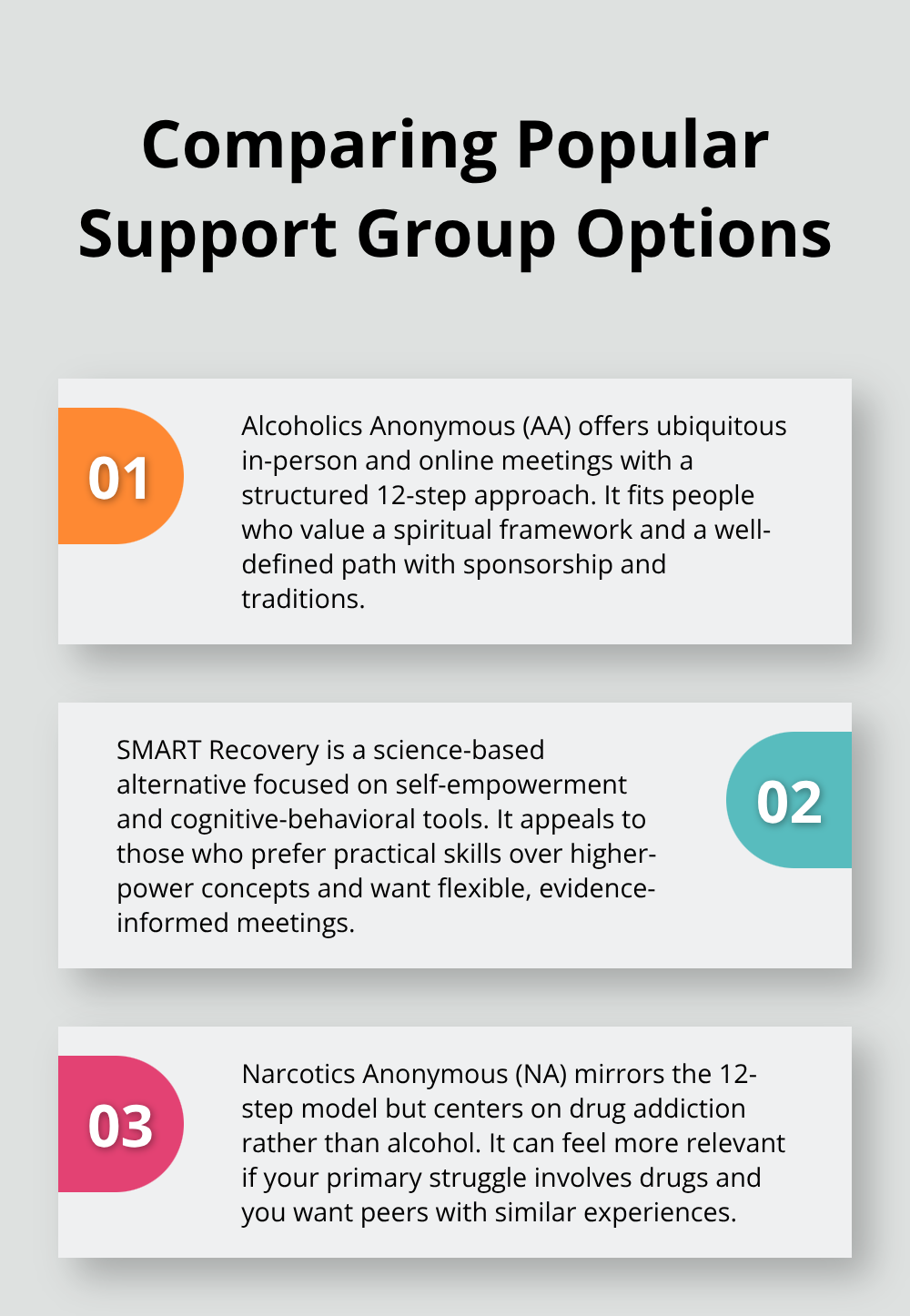
Alcoholics Anonymous and Traditional 12-Step Programs
Alcoholics Anonymous remains the most recognized option, with meetings available in nearly every community and online at virtually any hour. AA works best for people who connect with its spiritual framework and 12-step structure. If that approach doesn’t resonate with you, SMART Recovery offers a science-based alternative that focuses on self-empowerment and cognitive behavioral techniques rather than higher-power concepts. SMART meetings are less abundant than AA, but they’re growing, and their online presence has expanded significantly. Narcotics Anonymous follows a similar model to AA but centers specifically on drug addiction rather than alcohol, which can make it more relevant if your primary struggle involves drugs.
Virtual Communities and Online Support Spaces
The best support group is the one you’ll actually attend consistently. If you’re skeptical about traditional in-person meetings, virtual communities have proven remarkably effective for sustained engagement. Online support spaces remove barriers like transportation, scheduling conflicts, and social anxiety that keep people from attending meetings. These platforms also offer anonymity, which matters for people early in recovery who aren’t ready to identify publicly as someone in recovery.
Choosing the Right Support Model for You
Research shows that peer support itself drives recovery outcomes. What matters is connecting with others who understand addiction from lived experience, not theory. The specific support model matters less than your commitment to showing up. Attend multiple meetings in different settings before deciding if the group fits your needs. Pay attention to whether the people there seem engaged and long-term sober, whether the format feels manageable, and whether you feel genuinely welcomed.
Some people benefit from multiple support structures simultaneously-attending an AA meeting on Monday, a SMART Recovery meeting on Wednesday, and participating in an online sobriety app community throughout the week. This layered approach provides accountability, diverse perspectives, and redundancy if one support system becomes inaccessible. The SAMHSA National Helpline at 1-800-662-HELP connects you with local support groups and treatment options in your area, offering referrals in both English and Spanish around the clock.
Professional Guidance Alongside Peer Support
While peer support forms the foundation of recovery, professional counseling adds another critical layer. Substance abuse counseling and personalized addiction therapy complement peer-based recovery work by addressing underlying issues that peer groups alone cannot tackle. Professional treatment and counseling services-from individual therapy to medication-assisted options-work hand-in-hand with community support to create a comprehensive recovery strategy.
Professional Treatment and Counseling Services
Assessment and Therapy Options
Professional treatment addresses what peer support cannot: the clinical assessment of your specific needs, underlying mental health conditions, and medical complications that require expert intervention. Therapy works best when matched to your actual situation rather than a one-size-fits-all approach. Cognitive Behavioral Therapy, or CBT, remains the gold standard for addiction treatment because it directly targets the thought patterns and behaviors that drive substance use. Research shows that CBT combined with mindfulness practices produces small to moderate effects on substance use and helps clients manage cravings in real time and build relapse-prevention skills that last beyond treatment.
Individual therapy sessions let you address trauma, depression, anxiety, or other conditions that fueled your addiction in the first place-something no support group can do. A therapist can also identify whether you need medication-assisted treatment, which has transformed outcomes for opioid addiction specifically.
Medication-Assisted Treatment for Opioid Addiction
Buprenorphine and methadone reduce cravings and withdrawal symptoms to manageable levels, allowing you to stabilize your life while working on recovery. If you struggle with opioid use, locating a buprenorphine provider or accessing opioid treatment programs gives you access to evidence-based medication that actually works. These medications address the biological component of addiction while you work on the psychological and behavioral aspects through therapy.
Choosing the Right Program Intensity
The structure and intensity of your program matters enormously. Outpatient counseling works well for people with stable housing, employment, and mild-to-moderate addiction, but it fails people who need daily accountability and environmental change. Intensive Outpatient Programs, or IOP, provide structure without full hospitalization-typically three to five hours per day, three to five days per week-and suit people balancing work or family commitments with serious recovery needs.
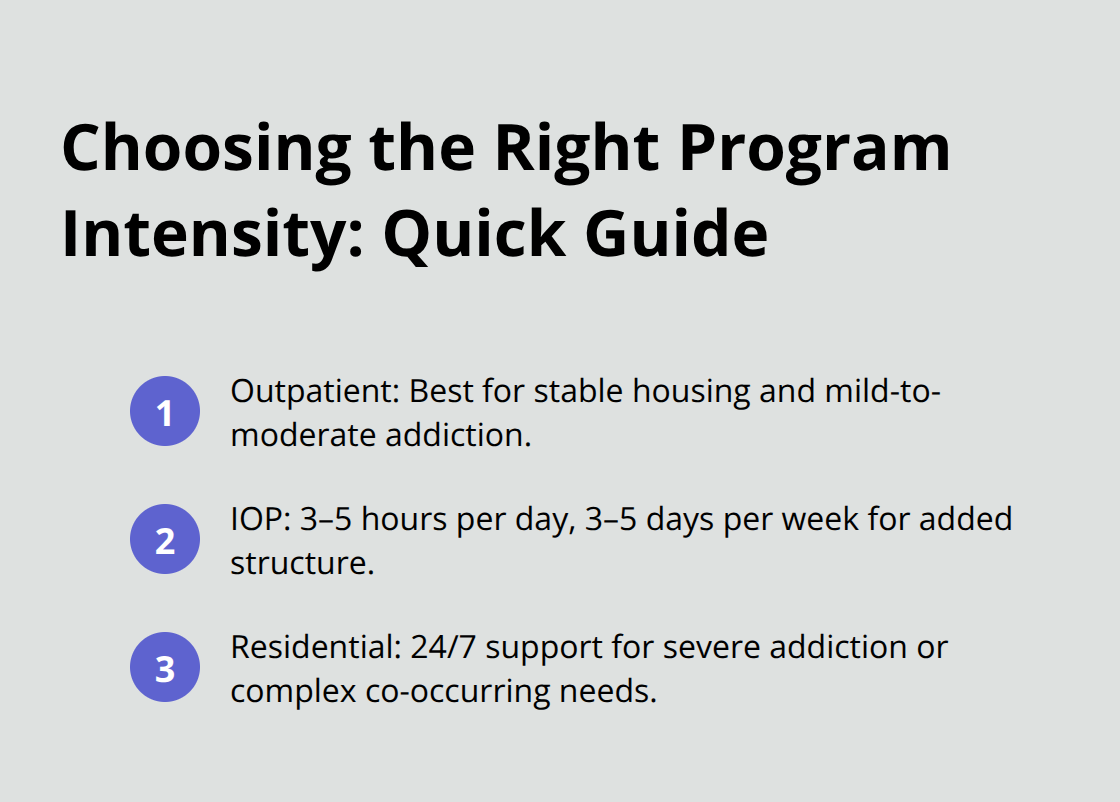
Residential treatment removes you from triggering environments entirely and provides 24-hour support, medical monitoring, and intensive therapy; this approach produces the strongest outcomes for severe addiction or co-occurring mental health disorders. The decision between these levels depends on your addiction severity, access to stable housing, employment status, and whether you have untreated psychiatric conditions.
Finding and Evaluating Treatment Programs
SAMHSA’s Behavioral Health Treatment Locator helps you find programs at the appropriate intensity level in your area. Start there, call the programs directly, and ask specific questions: What therapies do they use? Do they offer medication-assisted treatment? What happens after the program ends? Programs that provide aftercare planning and alumni support deliver better long-term sobriety rates than those that simply discharge you back to your old life.
Once you’ve identified the right treatment level and program, the next step involves building daily practices that reinforce what you learn in therapy and support groups.
Practical Tools and Strategies for Daily Sobriety
Mindfulness and Meditation for Immediate Cravings
Treatment and support groups create the foundation for sobriety, but what happens between sessions determines whether you stay sober. The hours you spend alone, facing stress, boredom, or unexpected triggers, require concrete practices you can execute immediately. Mindfulness meditation stands out as the most evidence-backed daily tool because it addresses cravings in real time without requiring external resources. When a craving hits, a ten-minute meditation session activates the prefrontal cortex-the part of your brain responsible for decision-making-and temporarily reduces the intensity of the urge.
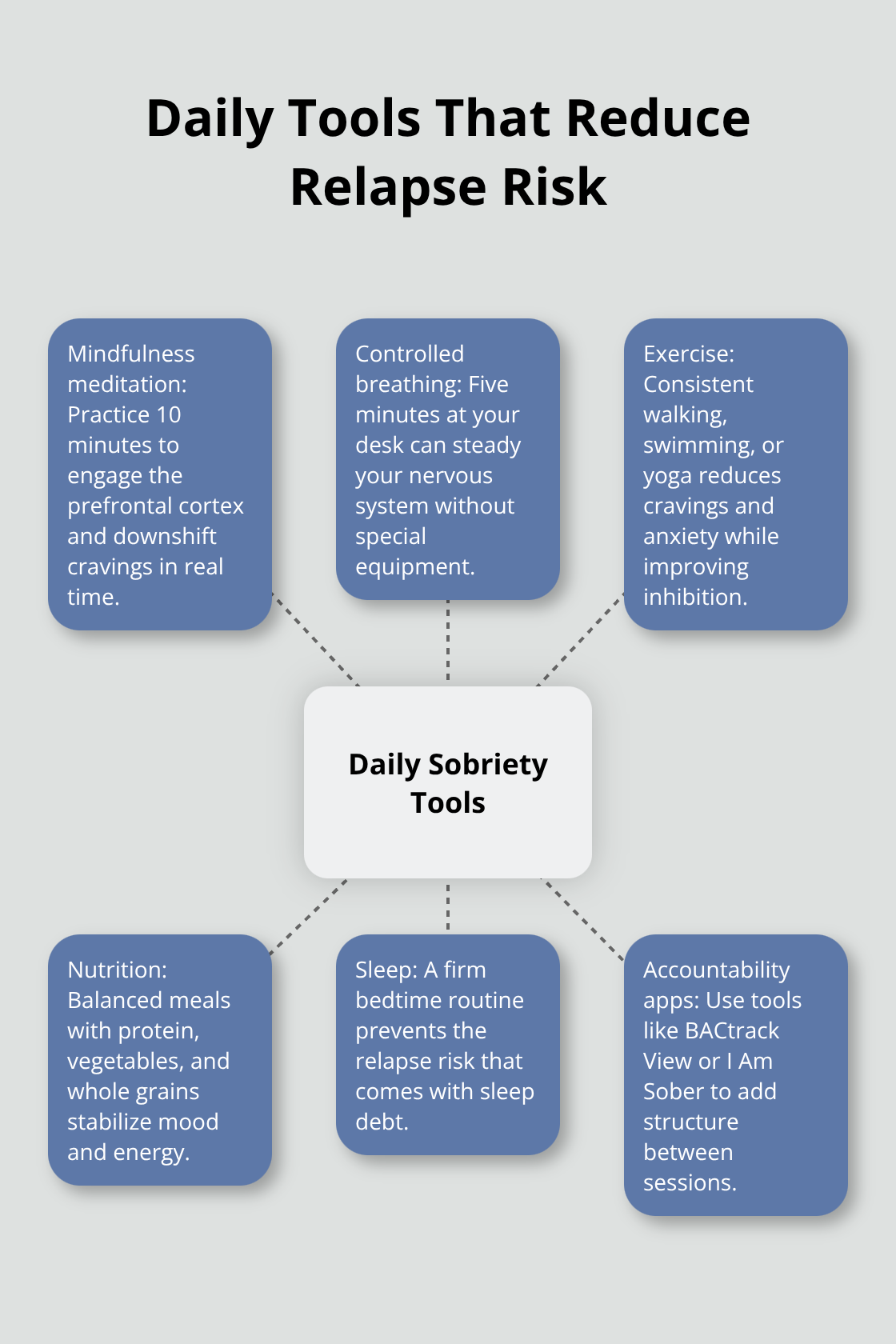
You don’t need an app or a quiet space; controlled breathing for five minutes while sitting at your desk works. The practice trains your nervous system to tolerate discomfort without reacting, which is precisely what recovery demands.
Lifestyle Changes That Reduce Relapse Risk
Pair meditation with specific lifestyle shifts: exercise reduces cravings and anxiety simultaneously, with research showing that physical exercise significantly reduces drug craving by improving cardiorespiratory fitness and enhancing inhibition. Walking, swimming, or yoga matter less than consistency; try something you’ll actually do three to five times weekly. Nutrition affects mood stability directly, and unstable moods trigger relapse; eating balanced meals with protein, vegetables, and whole grains stabilizes blood sugar and reduces the emotional volatility that drives substance use.
Sleep deprivation sabotages recovery faster than almost anything else, so establish a non-negotiable bedtime routine. These daily practices aren’t optional add-ons-they’re the scaffolding that keeps you standing between professional sessions.
Accountability Systems and Recovery Apps
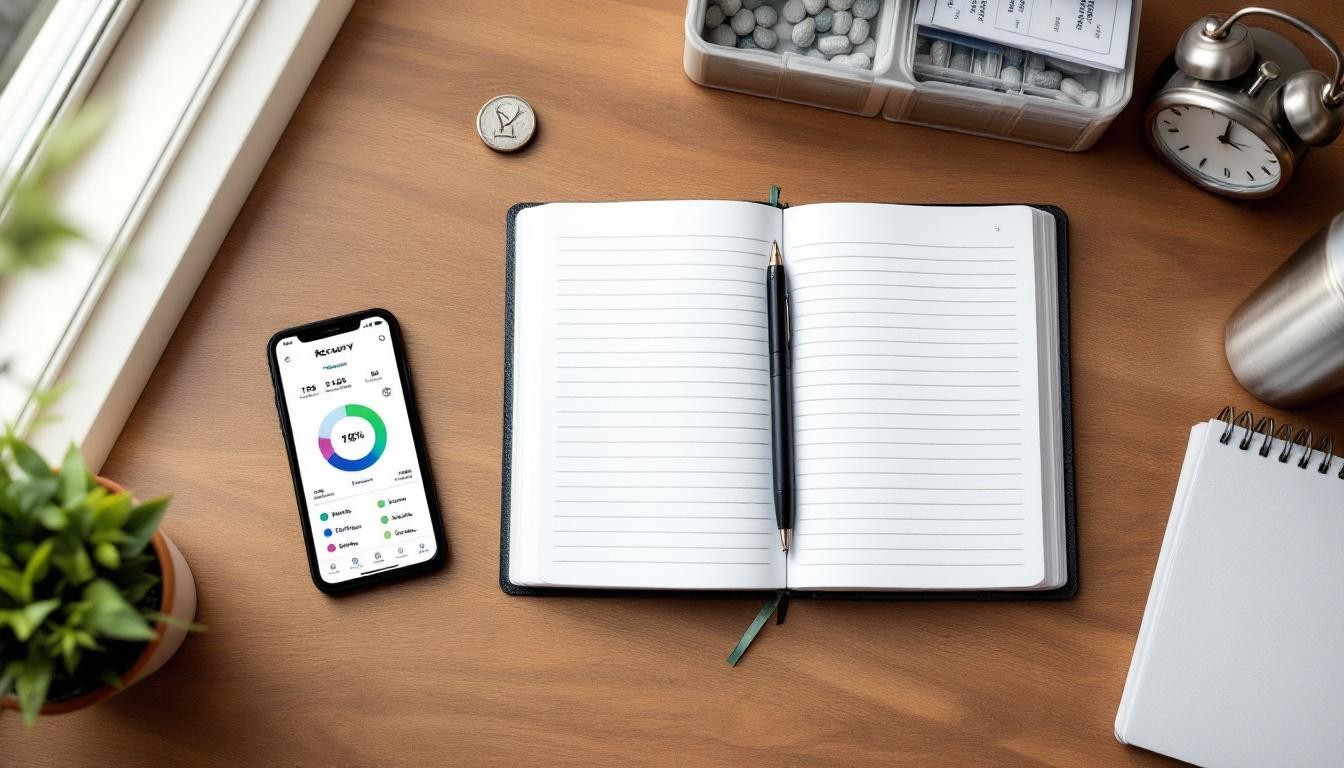
Accountability systems and recovery apps provide the external structure your brain needs during vulnerable moments. BACtrack View combines an alcohol breathalyzer with timestamped results shared with accountability partners, offering objective proof of sobriety that rebuilds trust with family and meets legal requirements if needed; the service costs 79.99 to 129.99 monthly with a 14-day free trial. For broader recovery tracking, I Am Sober connects you with people at your same sobriety stage and quantifies concrete benefits-money saved, calories avoided-that reinforce progress; it costs 9.99 monthly or 119.88 yearly with a seven-day trial.
Reframe provides science-based coaching grounded in neuroscience from Stanford and Harvard researchers, with a 160-day program and 100-plus tools for managing cravings; pricing ranges from 49.99 to 249.99 monthly for coaching, or 100 annually for base membership. These apps supplement but never replace therapy or support groups; they fill the gaps when isolation or stress tempts you toward relapse.
Matching Tools to Your Specific Triggers
Identify what triggered your past substance use-stress, loneliness, boredom, specific people-then choose tools that directly address those triggers. If accountability matters most, use BACtrack View. If community connection drives your recovery, prioritize I Am Sober or a peer support group. If understanding your brain’s patterns helps you stay motivated, Reframe’s coaching approach fits better. Combining two tools simultaneously-such as an app for daily tracking plus a weekly therapy session-creates redundancy that protects you when one system falters.
Final Thoughts
Recovery isn’t linear, and the tools to stay sober that work today will shift as your circumstances change. Support groups, professional treatment, medication-assisted options, and daily practices form a complete toolkit that addresses isolation, cravings, underlying trauma, and the biological components of addiction simultaneously. What matters most is selecting the combination that fits your life rather than chasing perfection or following someone else’s recovery path.
Start by identifying your biggest vulnerability and act on it immediately. If isolation drives your substance use, join a support group this week. If cravings hit hardest between sessions, meditation and exercise become non-negotiable daily practices. If accountability rebuilds trust with your family, use a tracking app or similar system. The most effective recovery strategy combines at least two elements: professional support plus peer connection, or therapy plus daily practices, or medication plus accountability systems.
Your personalized recovery plan should include a primary support structure, a backup when the first one falters, and specific daily practices you’ll actually execute. Write it down and share it with someone you trust. At Addiction Resource Center, we understand that recovery looks different for everyone, which is why we offer personalized substance abuse counseling and addiction therapy tailored to your specific needs, and if you’re ready to build your recovery plan with professional guidance, Addiction Resource Center provides compassionate support every step of the way.