Explore how sober living communities benefits residents through peer support, structured environments, and lasting recovery success.

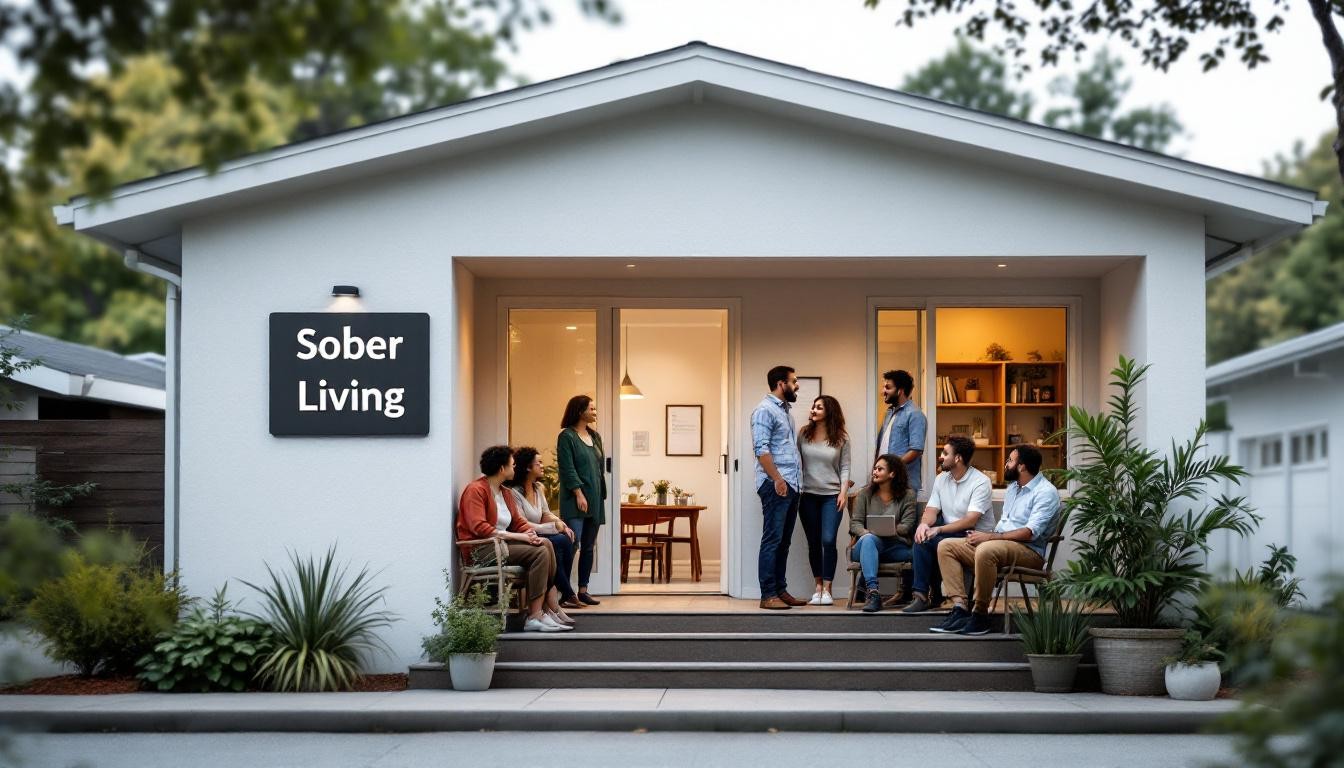
Leaving rehab is just the beginning. Many people struggle during the months after treatment ends, which is why sober living communities have become a lifeline for recovery.
At Addiction Resource Center, we’ve seen firsthand how the right living environment can make the difference between sustained sobriety and relapse. This guide walks you through the real benefits of sober living communities and how to find one that fits your needs.
What Sober Living Communities Actually Are
Definition and Core Structure
Sober living homes are residential spaces where people maintain abstinence from alcohol and drugs after completing formal treatment. Unlike rehab facilities that provide medical supervision and structured therapy, sober living homes operate on a peer-support model where residents take responsibility for their own recovery while living together in a substance-free environment. The structure varies significantly across homes-some require residents to attend daily 12-step meetings and maintain employment, while others focus primarily on maintaining the drug- and alcohol-free space itself.
How Long Residents Stay and What It Costs
Research from a California study tracking 300 residents in two different sober living models found that residents stayed an average of 166 to 254 days, well above the typical 90-day benchmark for maximum benefit. This extended duration matters because it allows people to rebuild their lives outside the intensity of formal treatment. Costs differ dramatically by location. Southern California sober living homes charge substantially more than rural options, and residents typically cover their own groceries, medications, and living expenses through part-time or full-time work. Many homes don’t require first and last month’s rent deposits like traditional apartments, which removes a significant financial barrier.
The Power of Peer Support and 12-Step Involvement
The peer support component drives the actual results. That same California research showed that residents with more abstinent peers and fewer connections to people still using substances had significantly better outcomes across all substance-use measures. Twelve-step involvement emerged as the strongest predictor of success, with greater participation linked to improved outcomes. Employment also improved measurably, and arrest rates dropped by roughly half within the first year.
How Sober Living Differs from Halfway Houses
Sober living homes differ fundamentally from halfway houses, which often have incarceration-related requirements and strict time limits on residency. Halfway houses may charge fees around 25 percent of gross income and sometimes mandate enrollment in treatment programs. Sober living homes have no fixed maximum stay and no such requirements, putting control in residents’ hands.
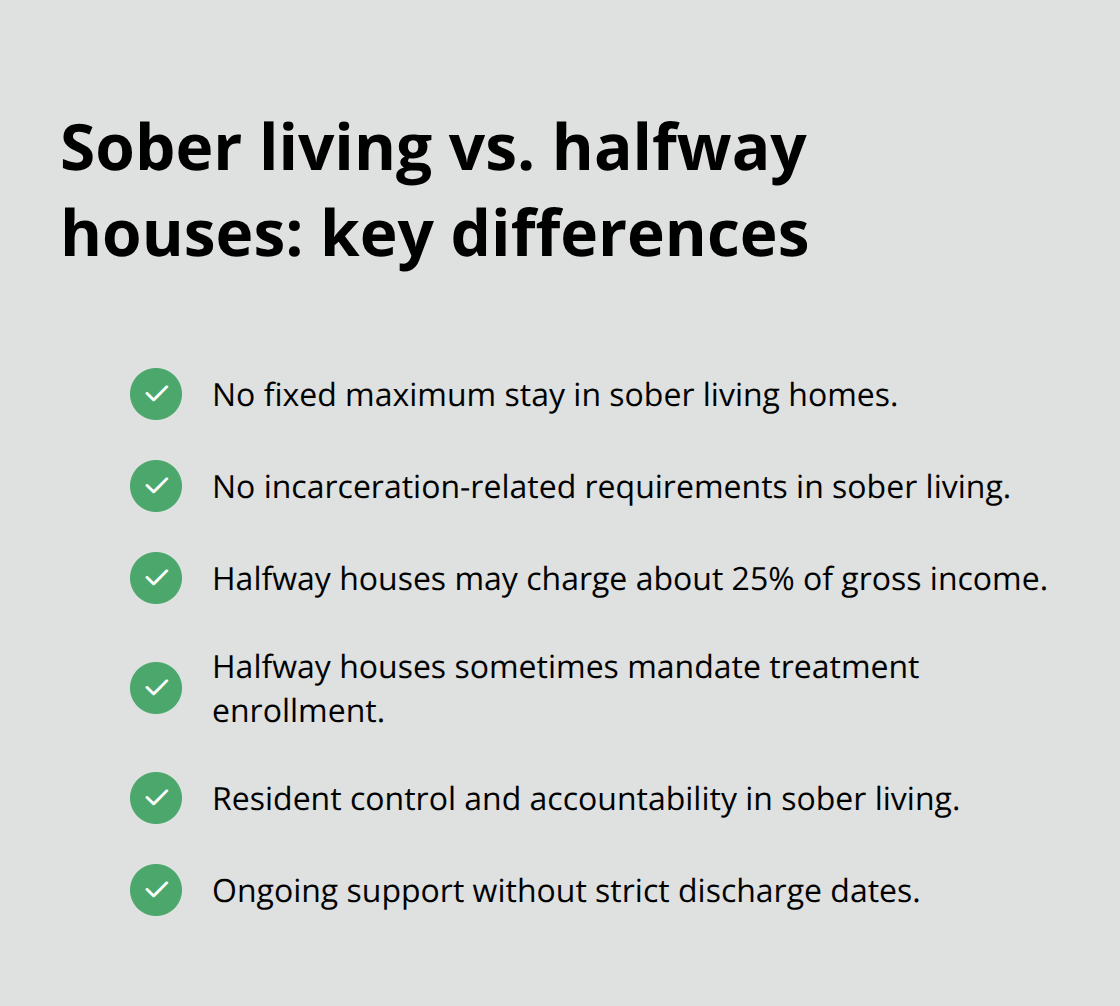
This flexibility appeals to people who’ve completed rehab and need ongoing support without the clinical structure.
Specialized Programs and Modern Approaches
The environments also vary by population served. Gender-specific sober housing addresses unique trauma and recovery needs, while programs increasingly target specific groups like veterans or LGBTQ+ individuals. Some homes integrate medication-assisted treatment alongside peer support, recognizing that many residents manage co-occurring disorders. Newer sober living programs emphasize holistic wellness, incorporating yoga, mindfulness, and nutrition counseling rather than just abstinence enforcement. Technology-based support through recovery apps and virtual peer groups means residents aren’t limited to in-house connections anymore. Understanding these variations helps you identify which type of sober living environment matches your specific recovery needs and circumstances.
Why Sober Living Works Better Than Solo Recovery
Measurable Results That Prove the Model
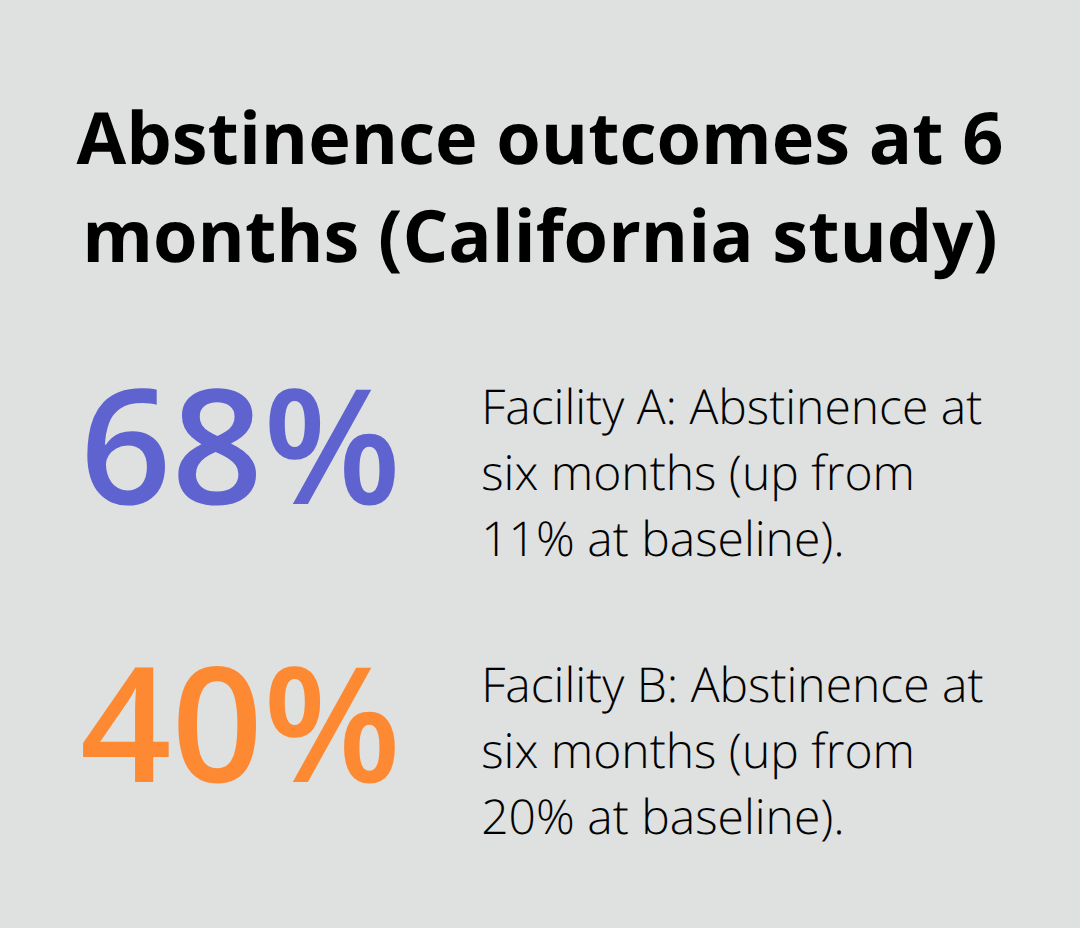
Sober living communities deliver measurable results that flying solo after rehab simply cannot match. A California study tracking 300 residents over 18 months found that abstinence rates jumped from 11 percent at baseline to 68 percent within six months at one facility and from 20 percent to 40 percent at another. These numbers matter because they show what actually happens when people leave treatment and move into a peer-supported environment. The same study revealed that residents reduced their maximum monthly substance use days from 19 down to just 3 to 7 days-a dramatic shift that occurs specifically because of the community structure and accountability.
Arrests dropped by half within the first year, and employment improved significantly with residents securing part-time or full-time work to cover living costs. Psychiatric distress measured through clinical assessments also declined substantially. The strongest predictor of these outcomes was 12-step involvement paired with living alongside peers who actively maintained sobriety. Residents surrounded by abstinent friends and fewer connections to people still using substances had far better long-term results than those who tried to maintain recovery in their old social networks.
How Peer Networks Drive Success
The peer support component creates the actual difference in outcomes. Residents with more abstinent peers and fewer connections to people still using substances experienced significantly better results across all substance-use measures. This social network effect matters more than most people realize when they leave rehab. The people you live with directly influence whether you stay sober or relapse, which is why sober living homes intentionally build communities around recovery rather than just providing housing.
Twelve-step involvement emerged as the strongest predictor of success, with greater participation linked to improved outcomes. Residents who attended meetings regularly and built relationships with sponsors and other members stayed sober longer and faced fewer legal problems. The combination of structured peer support and personal accountability creates an environment where recovery becomes the default rather than the exception.
Affordability That Removes Financial Barriers
The financial reality of sober living also removes a major barrier that stops people from accessing support after rehab. Unlike traditional apartments that demand first and last month’s rent upfront, most sober living homes waive these deposits entirely. Residents cover their own groceries and medications through whatever income they earn, typically part-time work that fits around recovery activities. This structure forces accountability in a practical way-you cannot stay if you are not contributing financially and maintaining house responsibilities.
The flexibility matters too. You do not face arbitrary discharge dates like halfway houses impose. Instead, your stay depends on your actual sobriety progress and finances, meaning residents who need nine months of support can stay nine months, while others might thrive after five. Regional costs vary dramatically, with Southern California homes charging significantly more than rural locations, so shopping across different areas can cut expenses substantially. Some homes charge residents around 25 percent of gross income, while others use flat fees, so comparing specific programs in your area reveals which option fits your budget.
Finding the Right Financial Fit
This affordability combined with peer accountability creates an environment where long-term recovery becomes financially possible rather than a luxury only some can access. When you start looking for a sober living home, ask about deposit requirements, monthly costs, and whether the program accepts residents who work part-time. Some homes offer payment plans or sliding-scale fees based on income, which can make the difference between affording recovery support and going without. Understanding your local market and what different homes charge helps you make a decision that works for your specific financial situation rather than forcing you into a program that strains your budget.
How to Choose a Sober Living Home That Actually Works
Questions to Ask Before Committing
Selecting the right sober living home matters more than most people realize because the wrong choice can undermine months of treatment progress. Start by asking whether the program requires ongoing treatment enrollment or a sponsor, since some homes demand both while others focus solely on maintaining the substance-free environment. Contact homes directly and ask about their specific rules around employment, meeting attendance, and guest policies.
Find out whether they integrate medication-assisted treatment if you’re taking FDA-approved medications for opioid or alcohol dependence, since many residents manage co-occurring disorders and need clinical support alongside peer recovery. Ask how they handle residents who slip or relapse, because some homes offer a second chance with counseling while others enforce immediate discharge.
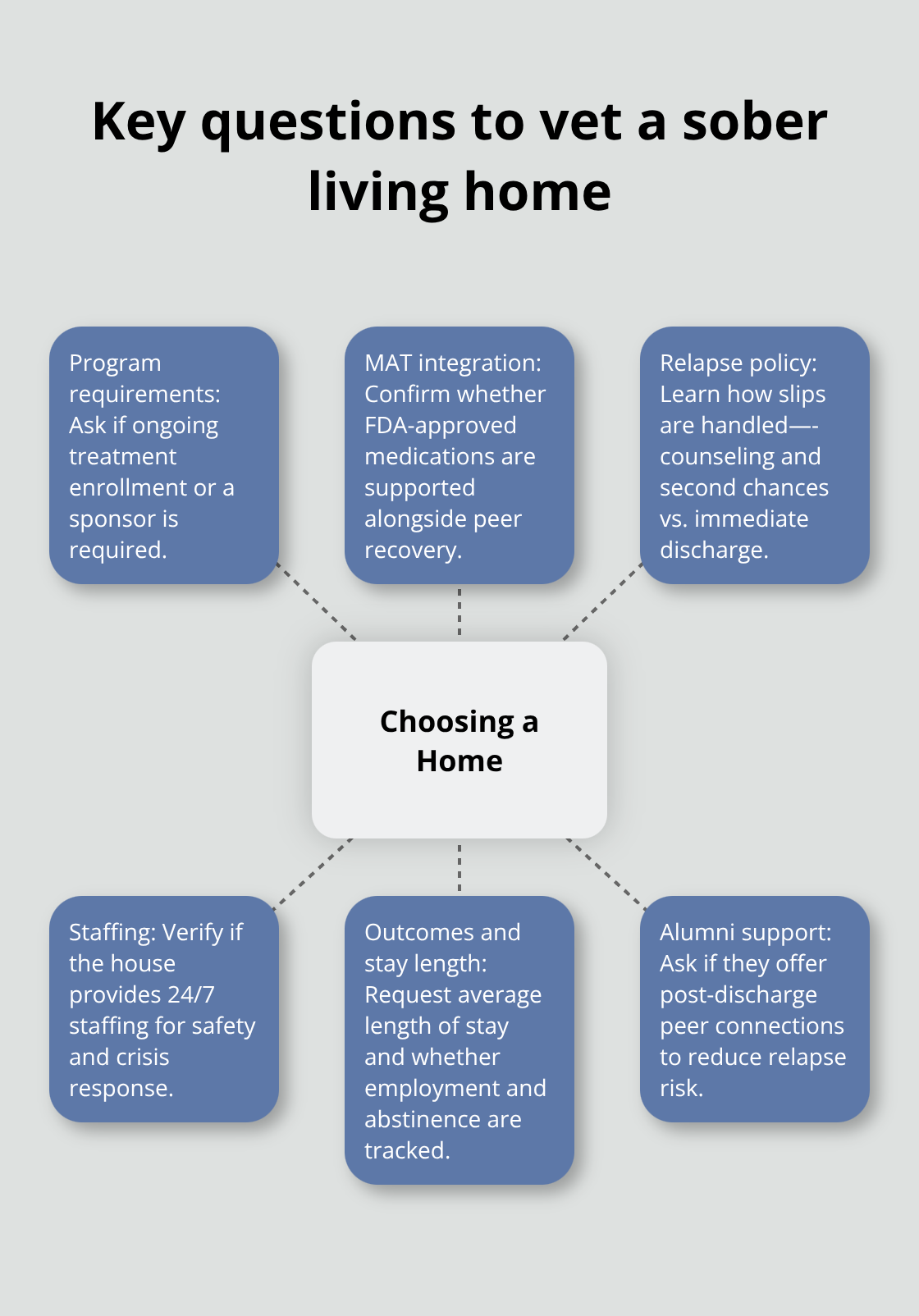
Verify whether the house has 24/7 staffing, which matters for safety and crisis response.
Request the average length of stay for residents, since homes where people stay longer typically show better outcomes than those with rapid turnover. Ask whether the program tracks employment rates and abstinence outcomes, because homes willing to share concrete data demonstrate accountability. Find out if they offer alumni support after you leave, since ongoing peer connections reduce relapse risk significantly.
Evaluating Safety Standards and House Rules
Safety standards separate quality programs from risky ones, so inspect the physical space and ask about security measures directly. Confirm that the home conducts background checks on all residents and whether they screen for active substance use through regular drug testing. Ask what happens if someone brings drugs or alcohol into the house and how strictly they enforce the zero-tolerance policy.
Verify that the home has a clear grievance process if you experience conflicts with housemates or staff, since accountability cuts both ways. Understand the house rules around curfews, overnight guests, and shared responsibilities, then decide whether you can actually follow those rules consistently. Ask about the demographics of current residents and whether the program offers gender-specific housing, since living alongside people who match your background often improves outcomes.
Understanding Costs and Payment Options
Costs typically range from flat monthly fees to around 25 percent of gross income, depending on location and services provided. Southern California homes charge substantially more than rural areas, so expanding your geographic search can reduce expenses significantly. Confirm whether the program accepts payment plans or sliding-scale fees based on income, since this removes financial barriers that stop people from accessing support.
Ask whether deposits are required upfront, because most quality homes waive first and last month’s rent entirely. Understand what’s included in the cost (utilities, meals, or counseling sessions), so you avoid surprise expenses later. Get everything in writing before committing, including the monthly cost, house rules, length of stay expectations, and refund policies if circumstances change.
Final Thoughts
Sober living communities offer something that treatment alone cannot provide: a real-world environment where recovery becomes sustainable. The data proves this clearly-residents who move into sober living homes after rehab maintain higher abstinence rates, secure employment, and avoid legal trouble at significantly higher rates than those who attempt recovery in isolation. The peer support, structured accountability, and substance-free environment work together to create conditions where long-term sobriety becomes achievable.
The sober living communities benefits extend far beyond staying sober. Residents rebuild relationships, stabilize finances, and develop the daily habits that make independent living possible. They surround themselves with people who understand the struggle and can offer practical guidance when triggers emerge. This combination of peer support and environmental structure addresses the actual reasons people relapse after treatment ends.
Finding the right sober living home requires asking direct questions about rules, costs, safety standards, and outcomes. If you completed rehab and need guidance on next steps, including finding appropriate sober living support, our team at Addiction Resource Center can help you explore your options and connect with resources that match your recovery goals. Contact us today to discuss how we can support your transition into long-term sobriety.