Discover practical self-care strategies for addiction recovery. Learn healing techniques to support your journey toward lasting wellness and stability.


Self-care in addiction recovery isn’t optional-it’s the foundation that keeps you stable when cravings hit and stress builds. At Addiction Resource Center, we’ve seen firsthand how people who prioritize self-care practices are significantly more likely to maintain long-term sobriety.
This guide walks you through practical self-care strategies that work, how to build a plan you’ll actually stick with, and why consistency matters more than perfection in your recovery journey.
Self-Care Practices That Support Recovery
Exercise and Movement: Your First Line of Defense
Your body and brain need fuel to heal after addiction, and this isn’t about perfection or extreme regimens. Exercise reduces cravings and stress in addiction recovery, not because you need to look a certain way. Start with what feels manageable: a 20-minute walk three times weekly or basic bodyweight movements at home. The key is consistency over intensity. Your nervous system craves routine, and exercise provides that while flooding your brain with endorphins that naturally counter withdrawal symptoms and depression.
Nutrition: Stabilizing Your Mood and Energy
Nutrition matters equally because processed foods and high sugar intake destabilize blood sugar, triggering mood swings that fuel cravings. Focus on whole foods: lean proteins, vegetables, whole grains, and healthy fats. Drink water consistently throughout the day since dehydration mimics withdrawal symptoms and makes stress feel worse. Many people overlook this connection, but your eating patterns directly influence whether you’ll have the emotional stability to handle difficult moments.
Meditation and Journaling: Building Mental Clarity
Meditation and journaling aren’t luxury activities during recovery; they’re operational tools. Mindfulness-based interventions improve emotional regulation and reduce relapse risk by helping you observe thoughts without acting on them. Start with five minutes of daily meditation using a free app, then gradually extend to ten or fifteen minutes. Journaling works differently: it externalizes the mental noise that builds pressure toward relapse. Write for ten minutes each morning about triggers, emotions, or simply what happened yesterday. This practice alone helps you recognize patterns you’d otherwise miss.
Sleep: The Foundation Everything Else Rests On
Sleep deprivation sabotages everything else you do, yet most people in early recovery ignore this ruthlessly. Your brain requires seven to nine hours nightly to consolidate coping skills and regulate emotions. Set a non-negotiable bedtime, keep your bedroom dark and cool, and avoid screens 30 minutes before sleep. These four practices-movement, nutrition, mindfulness, and rest-form the physical foundation that makes every other recovery tool actually work. With this foundation in place, you’re ready to build a sustainable self-care plan that fits your life and addresses your specific vulnerabilities.

Creating a Sustainable Self-Care Plan
Identify Your Specific Triggers With Brutal Honesty
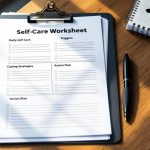
Your self-care plan fails the moment it doesn’t match your actual life. Generic advice about meditation and exercise collapses when you’re working double shifts or managing childcare. The real work involves identifying what specifically triggers your cravings, then designing responses you’ll actually execute. List the situations that make you want to use: Is it stress from work? Loneliness on weekends? Financial pressure? Specific people or places? Write down at least five concrete triggers without softening them or making them sound less real.
Next to each trigger, write what you currently do when it hits. If you reach for your phone and scroll for an hour, write that down. If you isolate yourself, write that down. This inventory reveals your vulnerabilities without judgment-it’s simply data about how your nervous system responds under pressure.
Set Measurable Goals Tied to Your Triggers
Once you know your triggers, set three specific, measurable goals that address them directly. Not “I want to exercise more,” but rather “I will walk for 20 minutes on Monday, Wednesday, and Friday after work because stress builds on those days.”

Not “I want better sleep,” but “I will be in bed by 10 PM on weeknights and keep my phone in another room because I currently scroll until midnight.”
Track these goals daily using a simple calendar or a notes app where you mark each day you complete the action. Research shows that 40 to 60 percent of people in recovery who engage consistently in self-care report higher long-term sobriety rates, and that consistency comes from tracking what you actually do, not what you intended to do.
Build Accountability Through Your Recovery Network
Find an accountability partner-someone in recovery, a therapist, or a trusted friend-and share your plan with them. Tell them your three goals and your triggers. Schedule a weekly check-in, even if it’s just a five-minute phone call where you report honestly on whether you hit your targets.
A strong recovery network increases the odds of long-term sobriety, and that network only works when you give people specific things to support you on. The accountability partner isn’t there to judge you if you miss a day; they’re there to help you notice patterns and recommit when you slip. With your triggers mapped and your goals tracked, you now need to understand how self-care actually stops relapse before it starts.
How Self-Care Prevents Relapse
Your Body Signals Relapse Weeks in Advance
Your body sends signals weeks before relapse actually happens, but most people miss them because they’re not looking. Warning signs appear as subtle shifts: you sleep poorly for three nights, then stop attending your support group meeting, then isolate on weekends. These aren’t separate events-they’re your nervous system deteriorating under stress without the self-care practices that stabilize it. Relapse prevention works backward from this reality: when you maintain consistent exercise, nutrition, sleep, and mindfulness, your brain has the neurochemical stability to handle difficult moments.
The moment you drop these practices, your emotional regulation collapses and cravings intensify. People who maintain structured daily routines and regular self-care activities reduce relapse risk significantly compared to those who don’t. Watch for the specific warning signs in your own life: Are you sleeping less? Skipping meals or eating only processed foods? Avoiding your accountability partner? Missing workouts? These four indicators predict relapse within weeks if you don’t intervene immediately.

Intervene Immediately When Warning Signs Appear
The intervention isn’t complicated-you return to the exact self-care practices you identified in your sustainable plan. If stress triggers poor sleep, you enforce bedtime ruthlessly, not waiting until you feel like sleeping. If loneliness triggers isolation, you call your accountability partner that same day, not waiting until the weekend. Self-care becomes your active coping mechanism because it addresses the physical and neurological foundation that cravings depend on.
Consistency matters more than intensity because relapse happens during the ordinary weeks when nothing dramatic occurs, not during crises when you’re hyper-focused on staying sober. You maintain your three measurable goals every single week, even when you feel fine-especially when you feel fine. That’s the counterintuitive truth about relapse prevention: the work happens during stability, not during emergencies.
Build Flexibility Into Your Long-Term Routine
Missing one workout doesn’t cause relapse, but missing workouts three weeks in a row while your sleep deteriorates and you stop journaling absolutely does. The people who maintain long-term recovery aren’t more disciplined or stronger than others-they’ve simply built self-care into their weekly routine the same way they built in work or childcare. They track it, they report it to their accountability partner, and they adjust when life circumstances change.
Your recovery routine isn’t static; it evolves as your job changes, relationships shift, or seasons affect your mood. What matters is that you never stop the core practices: movement, nutrition, sleep, and mindfulness. When one practice becomes impossible due to circumstances, you don’t abandon self-care entirely-you substitute something equivalent. Can’t go to the gym? Take a 20-minute walk. Can’t journal because you’re traveling? Use voice memos on your phone. The structure stays, the specific activities adapt. This flexibility is what makes self-care sustainable across years, not just weeks.
Final Thoughts
Self-care in addiction recovery isn’t something you master and then abandon-it’s the daily practice that keeps your nervous system stable, your emotions regulated, and your cravings manageable across months and years. The strategies you’ve learned here address the physical foundation that relapse depends on, and when you maintain these practices consistently, your brain has the neurochemical resources to handle stress, loneliness, and difficult moments without turning to substances. You’ve identified your triggers, set measurable goals, and understand how warning signs appear weeks before relapse actually happens.
The real commitment starts now, after you finish reading this guide. You execute your plan every single week, track your progress, and adjust when life circumstances change-not because perfection matters, but because showing up for yourself on ordinary Tuesdays (when nothing dramatic is happening) is exactly when relapse prevention actually works. Your recovery doesn’t happen in isolation, and the accountability partner you chose, the support group you attend, and the professional guidance you receive all amplify what self-care alone cannot accomplish.
We at Addiction Resource Center understand that self care addiction recovery requires both personal commitment and professional support. Our team provides personalized addiction therapy, substance abuse counseling, and mental health support designed to address your specific needs and vulnerabilities. If you’re ready to build a recovery plan backed by experienced professionals, contact Addiction Resource Center to explore how our outpatient addiction treatment programs can support your healing journey.