Cranberry juice has not been shown to reliably produce a negative drug-test result; learn what urine tests measure and what safer steps to take.

People facing an unexpected screening often ask, does cranberry juice help with a drug test? The direct answer is no, because cranberry juice has not been shown to clear substances from the body or reliably produce a negative result. Drinking large amounts of fruit juice cannot flush drug metabolites out of human tissue on command. These tests remain largely unaffected by ordinary dietary changes in the days leading up to an appointment. If worrying about an upcoming screening reflects difficulty stopping or controlling substance use, Yuba City residents can consider Addiction Resource Center LLC’s intensive outpatient program as a practical starting point for making a change.

Why the Cranberry-Juice Claim Persists
The belief that cranberry juice can alter a drug screen largely stems from theories about urine acidity. Some people assume that changing urine pH will accelerate how the kidneys process and excrete foreign substances. Because cranberry juice is highly acidic, it became a popular home remedy for urinary tract concerns, and that reputation eventually spilled over into myths about passing workplace screenings. The scientific evidence regarding cranberry juice and urine composition remains mixed, and those studies focus on urinary health rather than toxicology.
A 1979 clinical trial reported differences in mean urine pH after participants consumed cranberry juice. Researchers measured the acidity of the urine over time to see if the juice had a reliable acidifying effect. Decades later, a 2005 randomized, placebo-controlled crossover study investigated similar questions with a more rigorous design. In a crossover trial, participants receive both the active intervention and a placebo at different times, allowing researchers to compare the effects within the same individuals. That 2005 study found no significant difference in urine pH or specific gravity after participants drank cranberry juice compared to when they consumed a placebo beverage.
Neither of these studies measured drug-screen pass or fail outcomes. They were designed to evaluate urinary tract environments rather than the presence of illicit substances. Those findings don’t establish how a toxicology panel will behave. The evidence does not show that cranberry juice predictably alters a THC test result or speeds up the removal of marijuana metabolites. Trying to manipulate urine pH with acidic beverages ignores the specific biological mechanisms that drug panels measure.
What a Urine Drug Test Measures
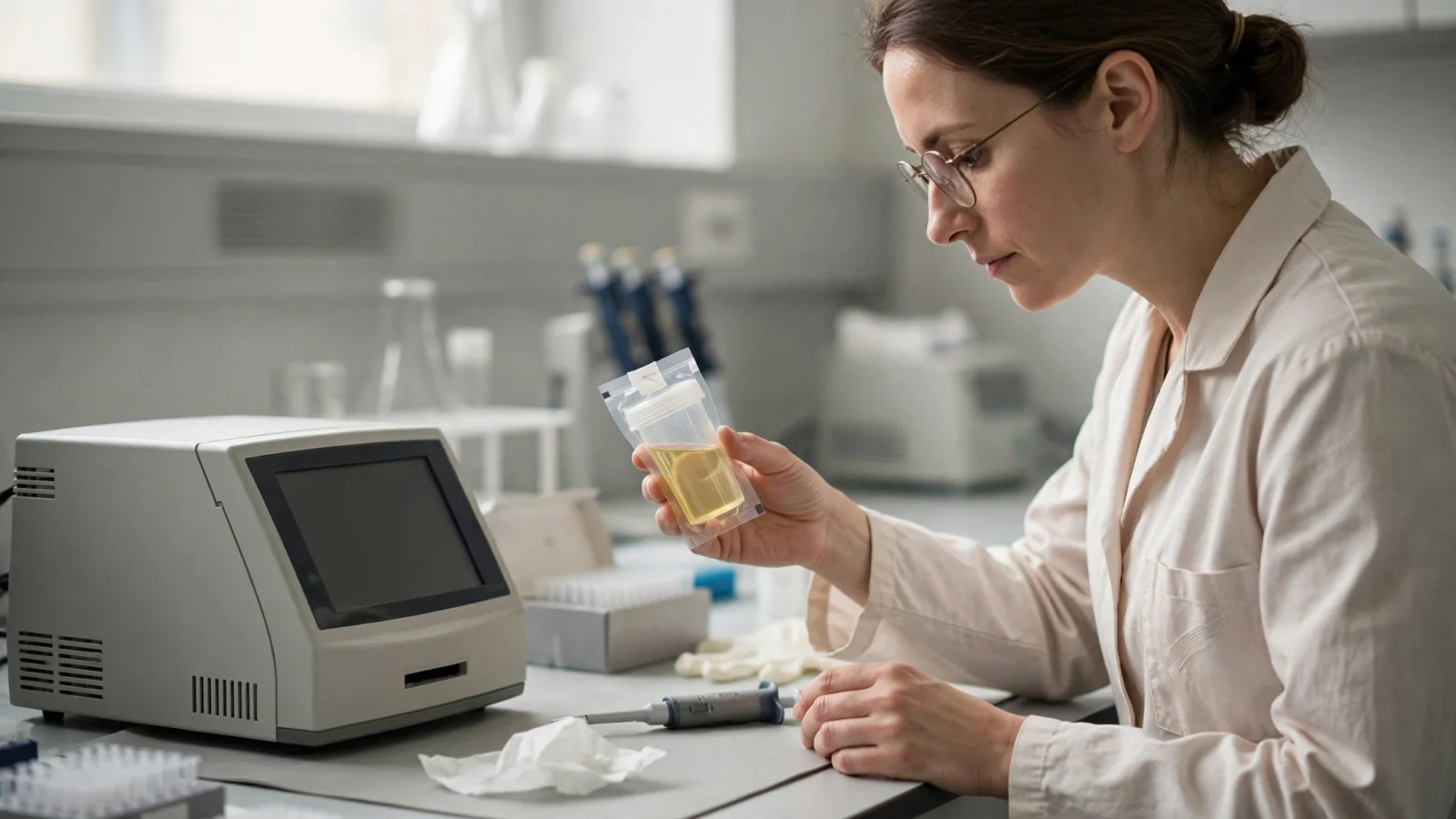
A urine drug screen is used to identify drug use or misuse by looking for signs of illegal drugs or certain prescription or over-the-counter medicines that can be misused.
Laboratories interpret these findings against strict numerical cutoffs. A cutoff is the minimum concentration of a metabolite required to trigger a positive result, usually measured in nanograms per milliliter. A negative reading indicates the specified substance was either absent or present at a level below the established cutoff threshold. Receiving a negative result does not automatically prove a person has never used a drug, nor does it guarantee the urine is completely free of the target chemical. It indicates the sample did not meet the criteria for a positive reading on that specific day.
Detection windows vary based on a complex set of factors. The specific substance, the amount consumed, the frequency of use, and the individual’s metabolic rate all influence how long a drug remains detectable. Avoid relying on universal timelines found online, because a substance that clears one person’s system in three days might linger in another person’s body for weeks.
Testing panels, cutoffs, specimen types, and result-handling procedures also vary depending on the organization requesting the screen. The federal government sets strict workplace testing rules through the Substance Abuse and Mental Health Services Administration. SAMHSA guidelines apply to federal employees and certain regulated industries, establishing standardized panels and procedures. Private employers, court systems, and clinical healthcare providers often use different panels and cutoff levels. Treating federal workplace rules as universal standards for every private or clinical drug test will lead to inaccurate expectations.
A Drug Test Result Is Not a Diagnosis

A urine screen provides a single data point about recent chemical exposure. A positive drug test result does not diagnose a substance use disorder by itself. Toxicology panels cannot measure a person’s level of intoxication, assess their physical impairment, or determine the behavioral severity of their substance use. The American Psychiatric Association requires a clinical evaluation of a person’s behavior, physical tolerance, and psychological dependence to diagnose an addiction.
Families reviewing a positive screening result should avoid labeling their loved one based solely on that piece of paper. A positive result can indicate recent use, but it warrants a supportive conversation rather than an immediate confrontation. Approach the situation by asking open questions and encouraging a professional assessment. Identifying the reasons behind substance use calls for guidance from licensed clinicians who can interpret these behaviors in context.
Addiction Resource Center LLC provides a structured environment for those conversations. The center offers an individualized intensive outpatient program in Yuba City, available both in person and through telehealth. Clients receive integrated care from a team that includes licensed addiction counselors, a physician, a licensed marriage and family therapist, a registered nurse, and recovery mentors. The treatment approach blends cognitive behavioral therapy, motivational interviewing, trauma-informed care, and relapse-prevention education. Regular progress reviews ensure the care plan adapts to the client’s changing needs as they move through recovery.
For individuals requiring higher levels of support, Addiction Resource Center LLC maintains a clear clinical pathway to its partner facility, Ona Treatment Center in Browns Valley. Ona provides around-the-clock medically supervised detox and residential treatment, including medication-assisted treatment. These residential and detoxification options are separate services delivered by Ona Treatment Center, allowing clients to stabilize in a supervised medical environment before stepping down into outpatient care at ARC.
Addiction Resource Center LLC advertises acceptance of most major insurance plans and offers a TRICARE-approved intensive outpatient option. Because coverage for outpatient care does not automatically apply to residential treatment at a partner facility, check your benefits for the provider and the specific service you need. The center maintains a 24/7 phone and text contact route at 530-625-7910 to help individuals and families begin the intake process and ask questions about their treatment options.
What a Dilute Sample Means and Why Overhydration Is Risky
Drinking massive volumes of cranberry juice or water leading up to an appointment can contribute to a dilute urine specimen. High fluid intake increases the proportion of water in the urine, leaving the original substances present but less concentrated. While this might temporarily push a metabolite level below a specific cutoff, testing facilities monitor for artificially thinned samples. Receiving a dilute result does not mean the drugs have been successfully cleared from the body.
Under DOT rules, laboratories must conduct specimen-validity testing, which assesses whether a specimen is consistent with normal human urine and checks whether adulterants or foreign substances were added, the urine was diluted, or the specimen was substituted.
Under U.S. Department of Transportation regulations (49 CFR Part 40 § 40.88), dilute classification depends on both creatinine and specific gravity, so a laboratory must consider the primary specimen to be dilute when its creatinine concentration is greater than or equal to 2 mg/dL but less than 20 mg/dL and its specific gravity is greater than 1.0010 but less than 1.0030 on a single aliquot.
A dilute, invalid, or substituted result does not automatically prove that someone deliberately tampered with a sample. Medical conditions, certain prescription medications, and high daily water consumption can also cause low specific gravity. DOT procedures require medical review officers to handle negative-dilute results differently than positive-dilute results, often resulting in a mandatory retest under direct observation. Drinking gallons of juice to try to beat a test can also lead to these administrative complications.
Beyond administrative complications, trying to flush your body by forcing down large amounts of water or juice in a short timeframe carries serious health risks. The human kidneys can process and excrete only a limited volume of fluid per hour. Consuming water faster than your kidneys can eliminate it dilutes the sodium concentration in your bloodstream, creating a dangerous medical condition called hyponatremia.
As blood sodium levels fall, extracellular water moves inside the body’s cells to balance the concentration, causing the cells to swell. When this swelling occurs in the brain, it creates severe neurological complications. The Mayo Clinic notes that symptoms of hyponatremia can include nausea, headache, confusion, seizures, or loss of consciousness. Rapidly developing hyponatremia requires immediate emergency medical care, so using excessive fluids to try to manipulate a workplace screen can be life-threatening.
What to Do Before a Drug Test
The safest and most effective approach to a drug screen is to follow the testing organization’s provided instructions. Drink fluids normally when you are thirsty rather than attempting to manipulate your kidney function. Focus on providing a natural, valid sample so the laboratory can process the results without triggering adulteration protocols or demanding a supervised retest. Understanding standard screening instructions will help you prepare for the appointment without resorting to dangerous hydration tactics.
Tell the testing professional about any prescription medicines, over-the-counter drugs, and dietary supplements you currently take. Many common medications can cross-react with immunoassay screens, creating initial false positives that require further confirmation testing. Disclosing these substances early allows the medical review officer to interpret the data correctly. Ask the testing organization about their specific procedures and identify who will answer your questions when the results are finalized.
If the prospect of a screening appointment causes severe anxiety, or if you find yourself observing changes in behavior related to hiding substance use, consider reaching out for professional support. A drug test often serves as the catalyst for individuals to recognize that their relationship with a substance has become unmanageable. Taking that first step toward treatment can help resolve the stress of trying to outsmart laboratory equipment.
Addiction Resource Center LLC provides structured intensive outpatient care for adults in Yuba City dealing with substance use disorders. Our licensed clinicians and recovery mentors deliver individualized treatment plans through in-person sessions and secure telehealth options. If you or a family member need help taking the next step, contact our team 24/7 or learn more about our services at https://sayarc.com.