In early 2015, poison-center calls related to synthetic cannabinoids jumped by 229%, from 1,085 to 3,572 calls during the same period a year earlier. Synthetic cannabinoids can cause agitation, confusion, rapid heart rate, seizures, psychosis, organ injury, and death, so severe symptoms require emergency medical help rather than waiting for the reaction to pass. Products …

In early 2015, poison-center calls related to synthetic cannabinoids jumped by 229%, from 1,085 to 3,572 calls during the same period a year earlier. Synthetic cannabinoids can cause agitation, confusion, rapid heart rate, seizures, psychosis, organ injury, and death, so severe symptoms require emergency medical help rather than waiting for the reaction to pass.
Products sold as K2, Spice, herbal incense, or “legal highs” can look familiar and even seem harmless on the package. The name and presentation don't tell you what chemicals are present, how strong they are, or how the body will respond. One batch may produce anxiety and vomiting, while another can trigger a seizure, a dangerous heart rhythm, or a prolonged psychotic episode.
This guide separates the immediate physical crisis from the psychiatric effects that may continue after intoxication fades. It also gives you a practical decision tree for choosing emergency intervention, urgent evaluation, or professional detox support.
Table of Contents
- Understanding the Synthetic Cannabinoid Crisis
- Acute Physical and Psychiatric Side Effects
- Long-Term Mental Health Consequences
- Recognizing Signs of Overdose and Emergency
- Medical Treatment and Detox Pathways
- Recovery Resources and Next Steps
Understanding the Synthetic Cannabinoid Crisis
The first months of 2015 showed how fast synthetic cannabinoid harm can escalate. The CDC's overview of synthetic cannabinoid health effects records 3,572 calls from January through May 2015, compared with 1,085 during the same period in 2014. That surge reflected people becoming suddenly and severely ill after exposure.
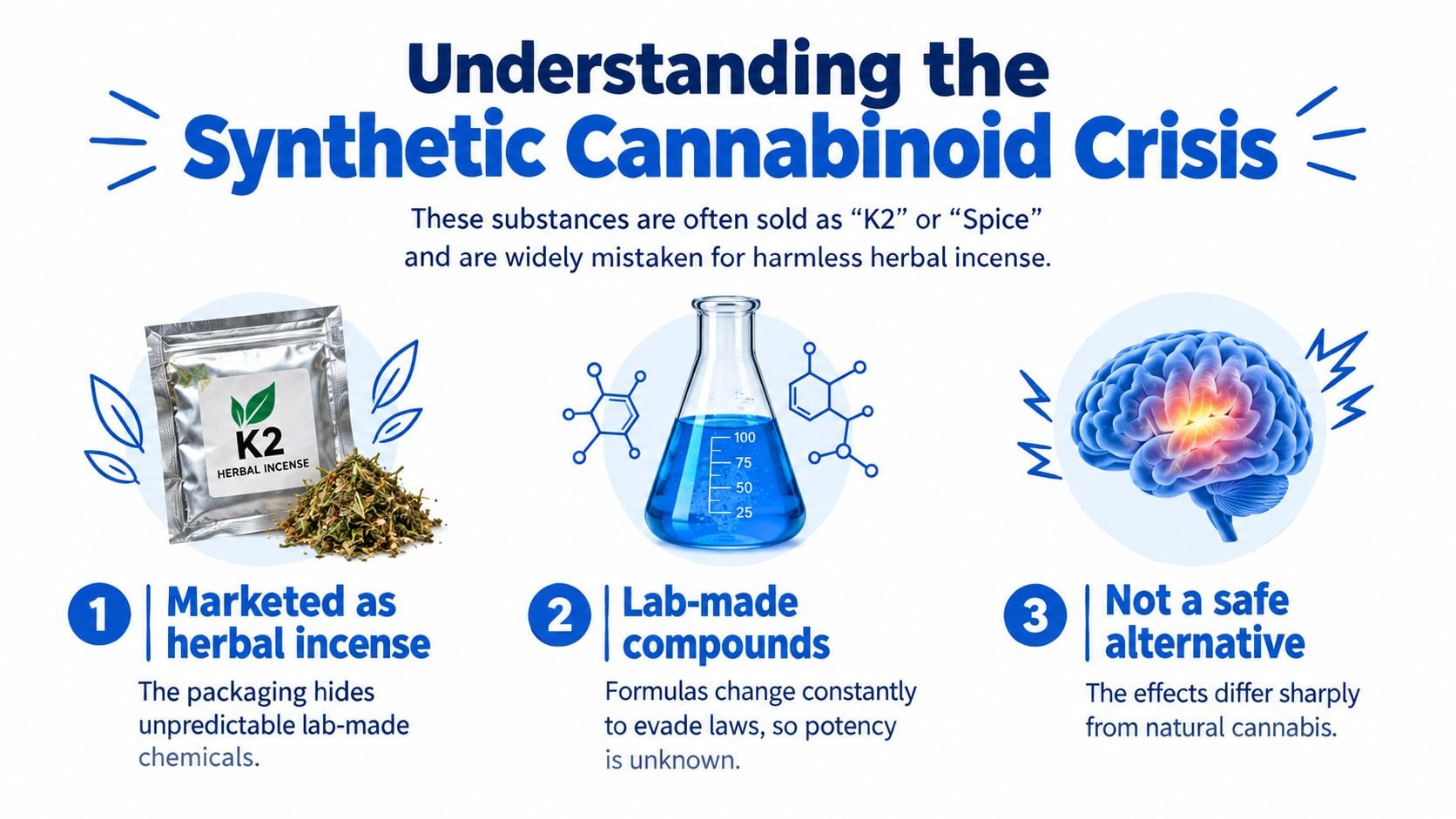
Synthetic cannabinoids are not just “stronger marijuana.” They are lab-made chemicals that act on some of the same brain signaling systems as THC, but the formulas, strength, and effects can change from one batch to the next. A packet, vape, or plant material can look ordinary while hiding an unknown chemical mixture. The label suggests consistency. The substance itself may behave like a different drug every time.
Why the packaging creates false reassurance
A packet labeled herbal incense can make a dangerous product seem harmless. The word “legal” can also suggest safety, even though it does not mean the product has been tested for human use. Packaging can calm fear without reducing risk.
The effect is not the same as familiar cannabis use. Some synthetic cannabinoids push the nervous system into overdrive, while others lead to sedation, confusion, or delirium. A person may move from panic to aggression, then collapse or become unconscious, with no reliable way to judge the dose. That is why a quick self-check is not enough, and why understanding Illinois cannabis impairment laws is useful if driving is part of the concern.
The emergency-care record backs up that warning. A SAMHSA report summarized by NIDA recorded 11,406 emergency-department visits involving synthetic cannabinoids in 2010 and 28,531 in 2011. Visits among ages 12 to 17 rose from 3,780 to 7,584, and visits among ages 18 to 20 rose from 1,881 to 8,212. These numbers come from an earlier period, but they show why clinicians treat synthetic cannabinoid exposure as a toxicology problem, not a routine cannabis reaction.
The safest response after an unknown cannabinoid product is simple. Do not drive, do not operate equipment, and do not stay alone if symptoms are starting to build.
Acute Physical and Psychiatric Side Effects
Synthetic cannabinoids can produce a fast, chaotic reaction because the brain and body receive an unpredictable chemical signal. Instead of a gradual change in mood, a person may suddenly become restless, frightened, confused, or physically unstable. The same exposure can affect the heart, blood pressure, nervous system, kidneys, and muscles.
The CDC's 2015 poison-center dataset identified agitation in 35.3% of calls, tachycardia in 29.0%, drowsiness or lethargy in 26.3%, vomiting in 16.4%, and confusion in 4.2%. These symptoms can appear together. For example, someone may pace or shout while their heart is racing, then become drowsy or difficult to wake.
What an acute reaction may look like
The physical and psychiatric signs often overlap:
- Cardiovascular stress: A rapid heartbeat, high blood pressure, chest pain, or an irregular rhythm can signal that the heart is under dangerous strain.
- Neurological disruption: Tremors, seizures, severe confusion, delirium, hallucinations, or loss of consciousness may occur.
- Psychological distress: Panic, paranoia, agitation, aggression, and psychosis can make the person feel threatened even when others are trying to help.
- Systemic injury: Severe exposures have been linked with kidney failure, rhabdomyolysis, stroke, and other organ complications.
A person who is shouting or behaving unpredictably isn't necessarily choosing to be difficult. Toxic effects can disrupt judgment, perception, and impulse control. Keep your voice calm, reduce noise and bright lights, move dangerous objects away, and avoid arguing about what the person believes. Don't corner or physically restrain someone unless there's an immediate safety necessity and trained help is present.
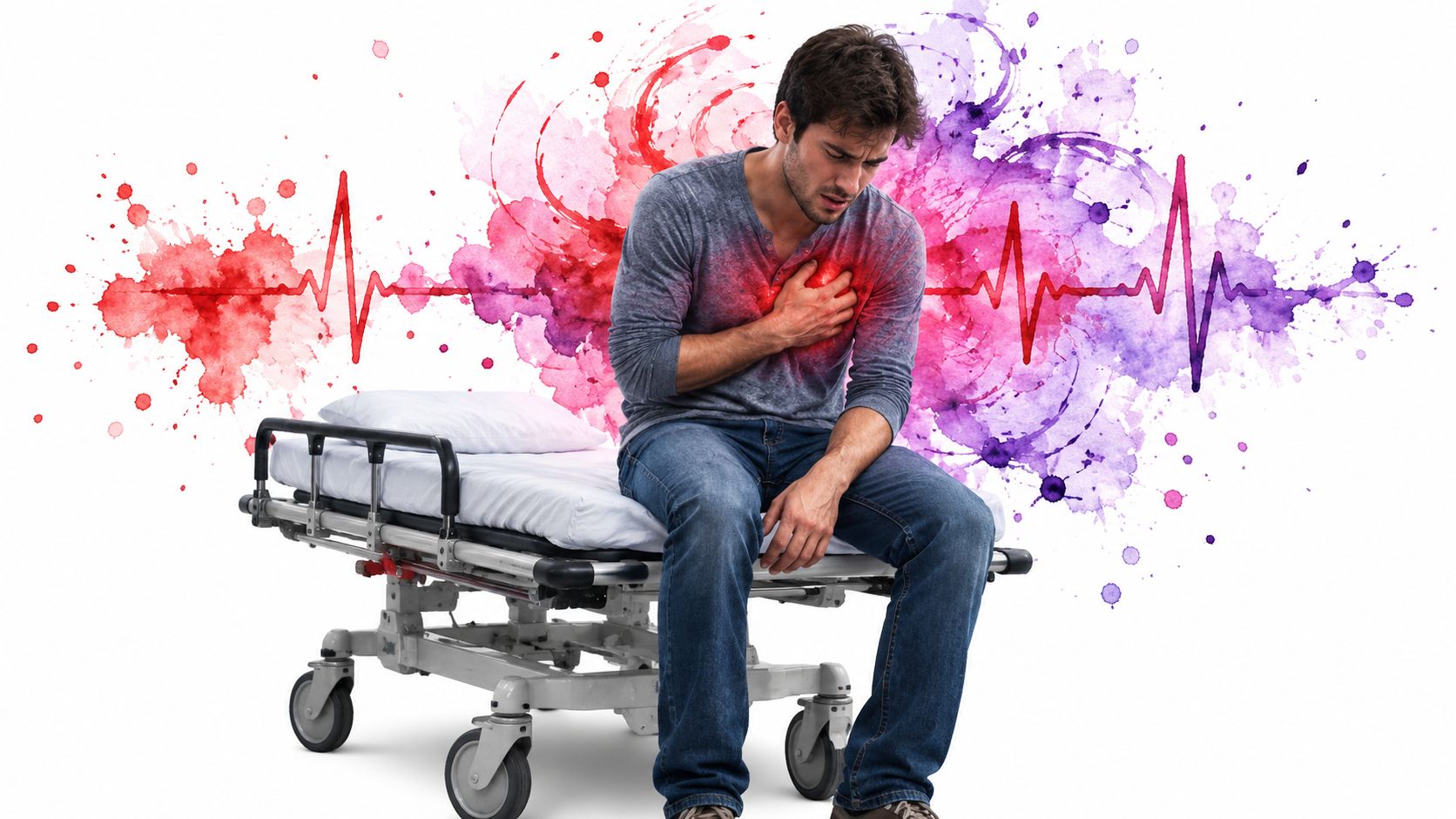
The Toxicology Investigators Consortium registry analysis of 277 patients whose sole exposure was synthetic cannabinoids found that the central nervous system was most often affected. Agitation, coma or central-nervous-system depression, and delirium or toxic psychosis dominated the presentations. The same clinical literature connects these exposures with arrhythmias, myocardial infarction, sudden cardiac death, acute tubular necrosis, and intracranial hemorrhage, as described in the CDC report on synthetic cannabinoid toxicity.
Natural cannabis and synthetic cannabinoids also shouldn't be treated as interchangeable when discussing sleep or self-medication. If you're trying to understand broader questions about THC and sleep quality, remember that synthetic products can contain unknown chemicals and may produce agitation, paranoia, or cardiovascular symptoms instead of rest.
When frightening symptoms continue after the immediate exposure, the issue may involve more than intoxication. A clinician should assess both substance use and mental health, including concerns addressed in this guide to schizophrenia and substance abuse.
Long-Term Mental Health Consequences
The end of the high doesn't always mark the end of the problem. Some people recover physically after emergency treatment but continue to experience anxiety, insomnia, suspiciousness, depressed mood, memory problems, or difficulty thinking clearly. Others develop psychosis, which can involve delusions, hallucinations, disorganized speech, or behavior that feels completely unlike the person's usual self.
A 2026 systematic review found that hospitalizations for synthetic cannabinoid-related psychosis lasted 43.45 days, compared with 22.91 days for cannabis-related psychosis, according to the published review in PubMed. The comparison matters because it challenges the idea that synthetic cannabinoids are merely a more intense version of cannabis. The psychiatric course can be substantially more prolonged and clinically demanding.
Why recovery may continue after detoxification
Detoxification helps the body stop receiving the substance, but it doesn't instantly resolve altered thinking or fear. The brain may need time, sleep, medical monitoring, therapy, and protection from further exposure before symptoms settle. Persistent psychosis also requires assessment for an underlying mental-health condition, because substance exposure and a pre-existing vulnerability can occur together.
A case series included in the same review reported psychotic episodes lasting beyond five months in about 30% of patients. That doesn't mean every person will experience a prolonged episode. It does mean families shouldn't dismiss ongoing hallucinations, fixed false beliefs, or severe confusion as a normal hangover.
Watch for changes that interfere with ordinary life:
- Thinking: The person can't organize thoughts, remember basic information, or follow a simple conversation.
- Perception: They hear or see things others don't, or remain convinced of a frightening belief despite reassurance.
- Mood and behavior: Anxiety, irritability, withdrawal, impulsivity, or aggression persists after the substance should have worn off.
- Safety: They talk about suicide, feel persecuted, wander into danger, or can't manage food, medication, or shelter.
Practical rule: A return to physical sobriety doesn't prove that the mind has returned to baseline.
Don't shame someone for symptoms they may not control. Speak in concrete terms, avoid validating frightening delusions as facts, and offer medical support. If psychosis, suicidal thinking, or inability to care for basic needs continues, seek urgent psychiatric evaluation rather than relying only on peer reassurance. Integrated support is especially important when substance use and mental-health symptoms reinforce one another, as explained in this resource on dual-diagnosis treatment and integrated care.
Recognizing Signs of Overdose and Emergency
A synthetic cannabinoid reaction becomes an emergency when breathing, circulation, consciousness, or brain function starts to fail. You do not need to know the exact chemical or brand name before asking for help. Tell responders what was used, when it was used if you know, and what changes you can see.
A helpful way to sort the situation is to separate calm but concerning symptoms from true danger signs. If the person is awake, breathing normally, and able to answer simple questions, keep them in a quiet place, stay with them, and call for medical guidance. If the person collapses, clutches their chest, stops responding, has a seizure, or becomes suddenly violent, treat it like a medical crisis, not something to watch at home.
The emergency decision tree
Call emergency services immediately if any of these signs appear:
- Chest pain or an irregular heartbeat: Treat this as a possible heart problem, especially if there is sweating, faintness, or intense fear.
- Difficulty breathing: Stay with the person and act fast.
- Loss of consciousness: Call an ambulance right away. Sleep is not a safe explanation.
- Seizures or repeated convulsions: Clear hazards, protect the head, and do not put anything in the person's mouth.
- Stroke-like or severe neurological signs: Sudden weakness, trouble speaking, collapse, or extreme confusion need urgent care.
- Uncontrollable agitation or violent behavior: Keep distance, move other people away, and do not try to restrain the person alone.
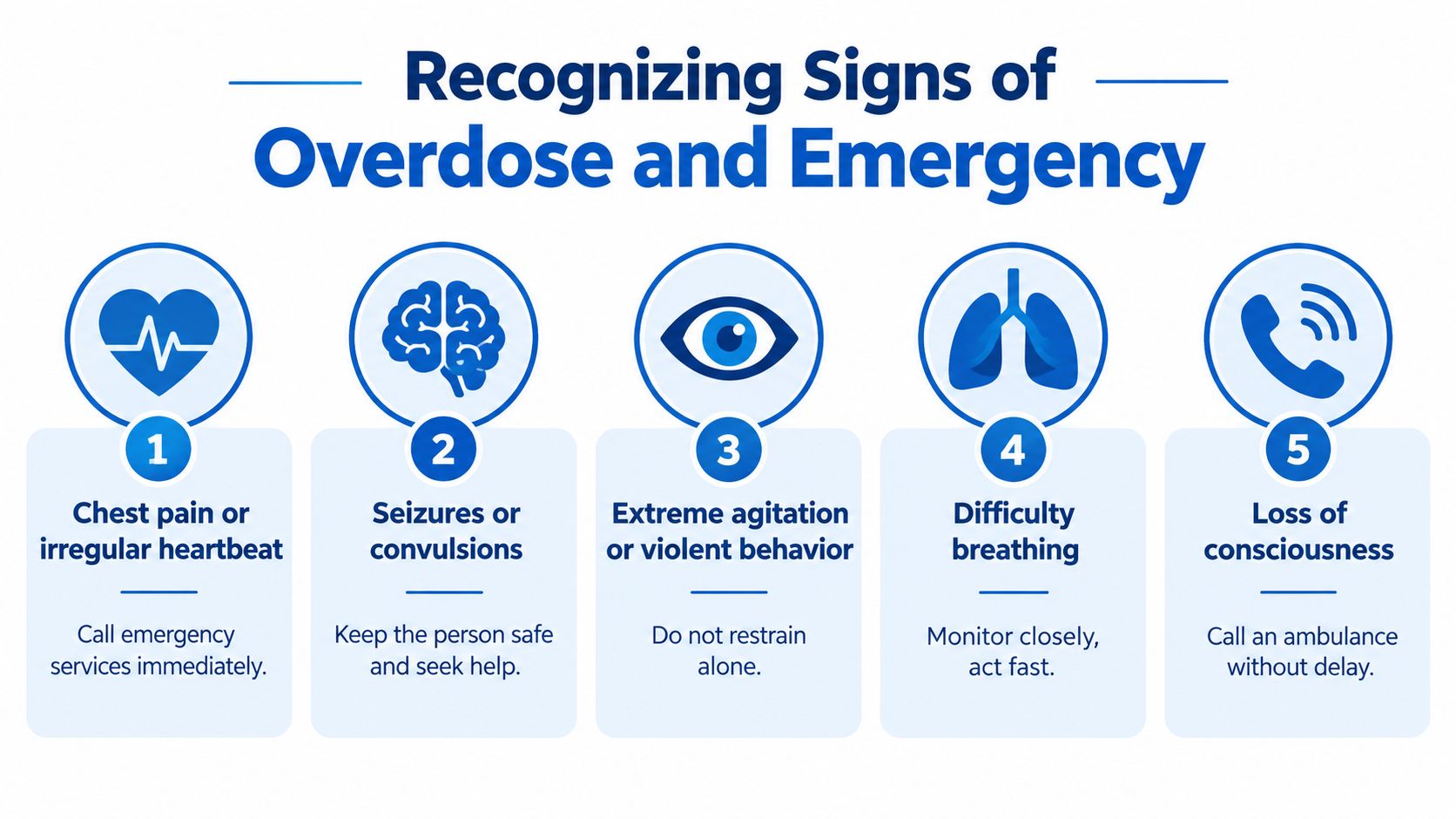
The NIDA summary of synthetic cannabinoid risks describes rapid heart rate, vomiting, violent behavior, tremors, seizures, unconsciousness, paranoia, and hallucinations. Severe cases can also involve stroke and psychosis. A person does not need every sign before you act.
While waiting, place an unconscious but breathing person on their side if you can do it safely, keep the airway clear, and follow the dispatcher's instructions. Do not give food, drink, or another drug to try to offset the reaction. Do not induce vomiting. If an ambulance is available, do not drive a person with impaired consciousness yourself.
If the situation is urgent but the person is not showing immediate overdose signs, the emergency addiction treatment resource can help families decide what level of care to seek next. It is a guide for the handoff to care, not a substitute for emergency services when red flags are present.
Medical Treatment and Detox Pathways
After an immediate crisis has been ruled out, treatment becomes a series of decisions based on safety, stability, and the person's ability to stop using synthetic cannabinoids. Emergency care first focuses on stabilizing the body. Clinicians may monitor heart rhythm, blood pressure, breathing, consciousness, agitation, seizures, kidney function, and other signs of organ stress. Because product labels may not reveal the chemical or dose involved, professional assessment is safer than trying to predict the reaction at home.

A practical treatment path
Step one, confirm the person is medically safe. Call 911 or local emergency services if symptoms are life-threatening or cannot be managed safely. Stay nearby only if you can do so without risk, and share the packaging or a photo with clinicians when available.
Step two, arrange urgent clinical assessment. A person who remains awake but has ongoing hallucinations, severe confusion, repeated vomiting, extreme agitation, or a racing heart needs prompt medical guidance. Do not leave them alone or allow them to drive. A calm, supervised handoff can prevent a worsening reaction from being missed.
Step three, arrange professional detox after emergency risks are excluded. Repeated use, cravings, withdrawal, difficulty stopping, or relapse after earlier attempts suggests that willpower alone may not provide enough protection. Medically supervised detox can monitor symptoms and support the transition into a longer treatment plan. Withdrawal can feel like the body's alarm system is still ringing, so clinical observation gives the person a safer place to respond.
Step four, match ongoing care to stability and support. Residential rehabilitation may suit someone who needs a substance-free setting, daily structure, and close supervision. An intensive outpatient program can fit someone who is medically stable and can attend treatment while living at home. Telehealth may improve access when travel, work, or caregiving makes in-person appointments difficult. The choice should reflect medical risk, psychiatric symptoms, home support, and the person's ability to avoid further exposure.
Treatment should address the thinking patterns and triggers that keep use going, not only physical withdrawal. Therapy can help a person identify triggers, challenge automatic thoughts, practice safer responses, and plan for cravings. Families seeking a plain-language explanation can review understanding CBT therapy. Ask a clinician which level of care fits the person today, and arrange that assessment rather than waiting for another crisis.
Watch this educational video after the immediate crisis has been addressed. It can support a later treatment conversation, but it should never delay emergency care.
Recovery Resources and Next Steps
Recovery planning works best when it answers two questions at the same time: How safe is the person today, and what support will prevent the next crisis? Someone with unstable vital signs, severe psychosis, or repeated seizures needs emergency or hospital care. Someone who is medically stable but keeps returning to synthetic cannabinoids may need supervised detox and structured treatment rather than informal promises to stop.
| Care option | When it may fit | What it provides |
|---|---|---|
| Emergency evaluation | Chest pain, breathing problems, seizures, unconsciousness, stroke-like symptoms, or immediate danger | Medical stabilization and assessment of acute toxicity |
| Medically supervised detox | Repeated use, significant withdrawal, or concern about stopping safely | Monitoring, symptom support, and a bridge into treatment |
| Residential rehabilitation | A person needs distance from triggers, continuous structure, or closer support | A protected setting for therapy, routines, and recovery skills |
| Intensive outpatient care | A person is stable enough to live at home and attend scheduled treatment | Ongoing counseling, accountability, education, and relapse prevention |
| Telehealth IOP | Travel, work, caregiving, or location makes regular in-person attendance difficult | Continued structured support from home when clinically appropriate |
A strong program should look beyond the product itself. Ask whether the team can assess co-occurring anxiety, depression, trauma, psychosis, or suicidal thinking. Ask how clinicians handle medication needs, relapse planning, family communication, privacy, and aftercare. A plan that treats only the acute intoxication may leave the reasons for repeated use untouched.
For adults in Northern California, local access can remove some of the friction that keeps people waiting. Addiction Resource Center LLC is based in Yuba City and describes care from a multidisciplinary team that includes medical, nursing, counseling, and recovery professionals. Its published information also states that it welcomes Tricare beneficiaries and accepts most major insurance plans, so families can ask directly about coverage rather than assuming treatment is out of reach.
A loved one doesn't need to wait for perfect certainty before making a call. Write down the product name if known, the approximate time of use, visible symptoms, prior mental-health concerns, and any current medications. Be honest about what happened. Accurate information helps clinicians choose safer care and reduces the chance that a dangerous reaction gets mistaken for ordinary cannabis intoxication.
If symptoms are happening now, use the decision tree above. Chest pain, breathing difficulty, loss of consciousness, seizures, stroke-like symptoms, or immediate danger require emergency services. If the person is stable but unable to stop using, contact a qualified treatment provider for an assessment and a plan that can address both substance use and psychiatric recovery.
Addiction Resource Center LLC offers medically supervised detox with medication-assisted treatment, residential rehabilitation through a partner facility, and Intensive Outpatient Programs in person or through telehealth. If synthetic cannabinoid side effects have affected you or someone you love, visit Addiction Resource Center LLC to request guidance, discuss treatment options, or take the first step toward safer recovery.