You may be reading this after a difficult morning, with a packed bag nearby and a phone full of unanswered messages. You know treatment needs to happen, but you may not know what the first day will feel like, whether you'll be allowed to call home, how insurance will handle the stay, or what happens …


You may be reading this after a difficult morning, with a packed bag nearby and a phone full of unanswered messages. You know treatment needs to happen, but you may not know what the first day will feel like, whether you'll be allowed to call home, how insurance will handle the stay, or what happens after detox. Those questions are normal. Knowing what to expect in rehab can make the process less intimidating without pretending that every person follows the same path.
Table of Contents
- Understanding the Rehab Journey
- Starting With Intake and Assessment
- Moving Through Detox and Medication Support
- Exploring a Typical Day in Treatment
- Navigating Rules Privacy and Family Contact
- Preparing for Coverage Logistics and Packing
- Planning for Progress and Aftercare
- Taking the Next Step With Addiction Resource Center
Understanding the Rehab Journey
A family member may ask, “What happens after admission, and how do we know what support comes next?” Rehab usually answers those questions one stage at a time. A person may begin with medical stabilization, continue into structured therapy, and later receive care while returning to work, family life, or school. The route depends on safety, health, substance use, living conditions, and progress.
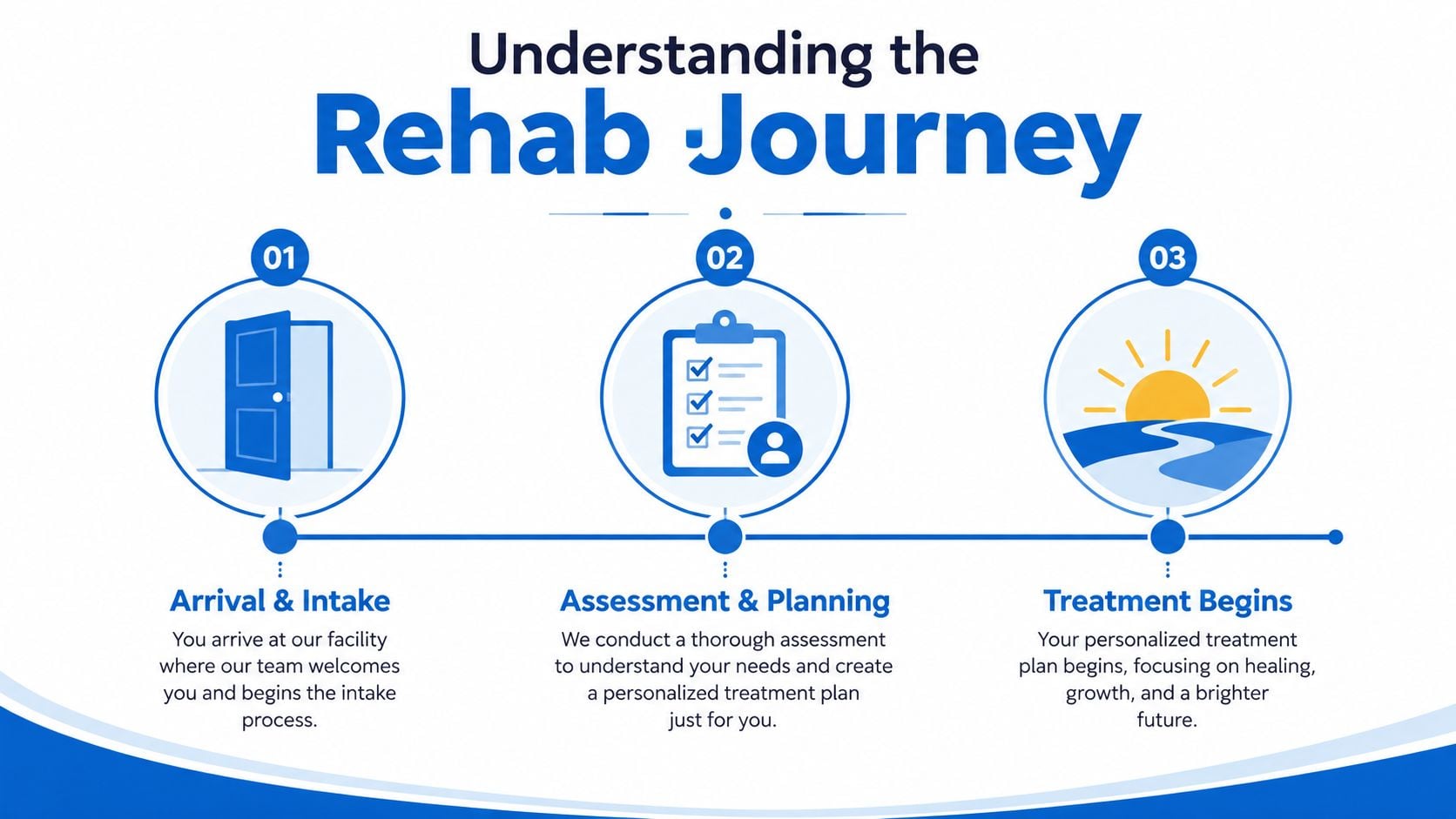
Rehab is better understood as a continuum of care than as one event with a guaranteed finish date. The journey can include intake and assessment, medical detox, residential treatment, partial hospitalization, intensive outpatient care, and standard outpatient counseling. Not everyone needs every level. A person may stay at one level longer, step down to less intensive support, or return to a higher level when circumstances change.
How levels of care fit together
Medical detox provides supervised withdrawal management and stabilization. Residential inpatient care adds a live-in setting with therapy, education, medication management, meals, monitoring, and a structured daily routine. Partial hospitalization offers intensive daytime treatment while the person may sleep outside the facility, provided the home environment is safe and appropriate.
Intensive outpatient programs, often called IOPs, provide several treatment contacts while allowing more time for work, family responsibilities, or school. Standard outpatient care involves less frequent clinical contact and may include individual therapy, group counseling, medication follow-up, or recovery support.
The appropriate path depends on the substance involved, the pattern and severity of use, withdrawal history, physical health, mental health, housing, transportation, family support, and treatment progress. Recovery rarely follows a straight line. A step-up in care can reflect a change in safety or clinical needs, while a step-down means support is being adjusted, not necessarily ended.
Federal treatment-discharge data also show why one discharge date should not be treated as the whole recovery story. In 2019, 42% of substance use treatment discharges completed treatment, 22% transferred to further treatment, and 35% didn't complete as planned, according to SAMHSA's TEDS report. More recent 2023 reporting showed a 42.6% overall completion rate across about 1.5 million discharges, with 25.1% transferred to further treatment and 22.0% dropping out, as reported in the same federal data reference.
Families can help by asking which level is recommended, what communication rules apply, how coverage and bed availability affect timing, what to pack, and how the next provider will receive the treatment plan. Those practical details connect clinical decisions to daily life.
A useful expectation: Treatment may be “complete” at one level while continuing through another. Discharge planning is part of rehab, not an afterthought.
Starting With Intake and Assessment
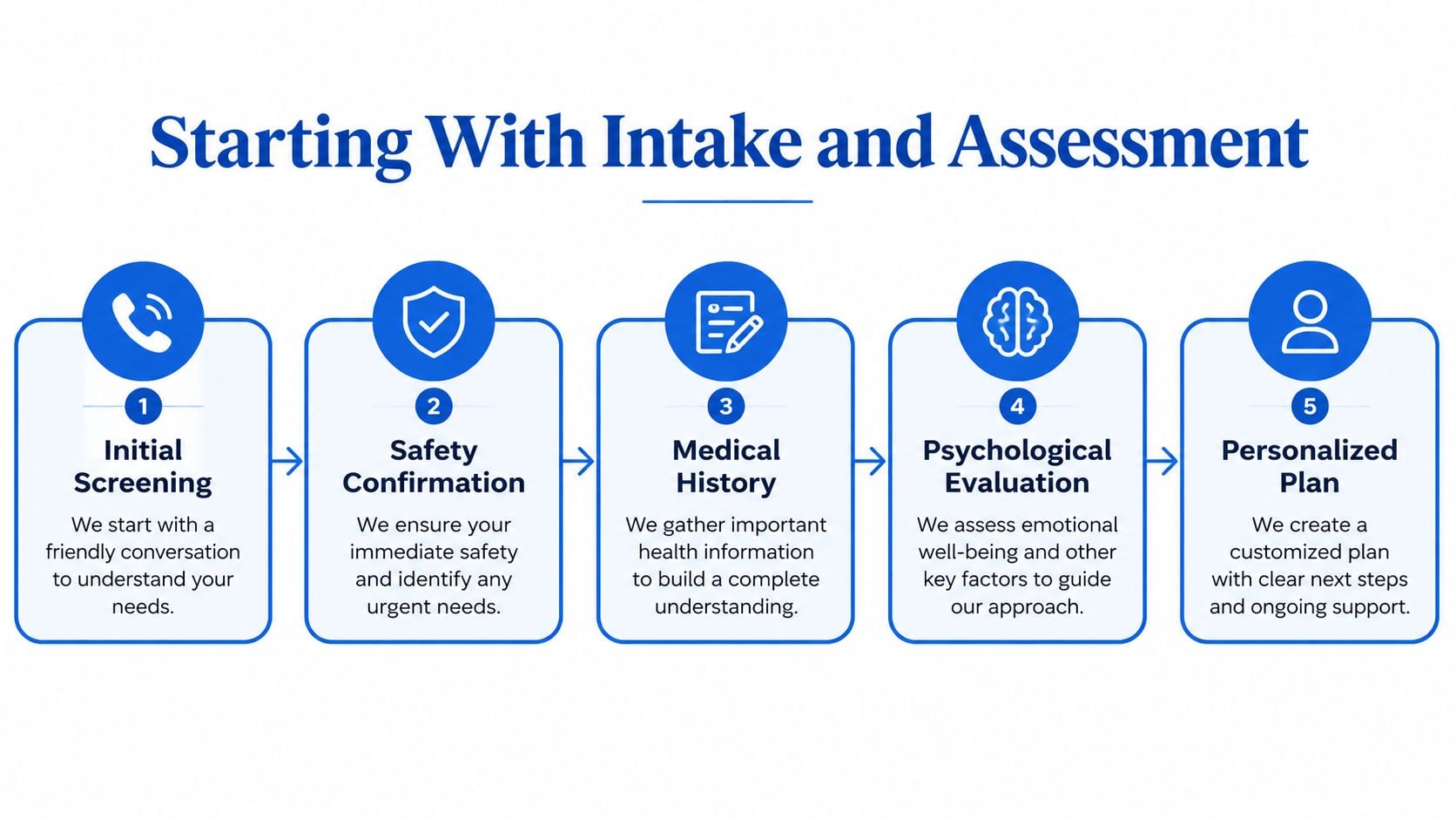
The first clinical contact often begins before arrival. A phone screening helps staff understand the immediate concern, current location, recent use, withdrawal symptoms, medical conditions, safety risks, and whether emergency care is needed. If someone is confused, having severe symptoms, expressing suicidal thoughts, or facing a potentially dangerous withdrawal, the safest recommendation may be emergency medical evaluation rather than direct admission.
At the facility, admissions staff typically verify identity, insurance or payment information, emergency contacts, current medications, allergies, and recent providers. Bring medication bottles when possible, especially controlled medications or prescriptions that require careful reconciliation. The team may also ask about housing, transportation, employment, legal obligations, children, military service, and preferred family contacts.
What clinicians need to understand
A medical assessment may include vital signs, a physical examination, laboratory work, a substance use history, and questions about previous withdrawal episodes. The psychiatric assessment looks at depression, anxiety, psychosis, trauma symptoms, suicidal thinking, sleep, attention, and other concerns that could affect safety or treatment engagement.
These questions aren't designed to shame or test you. They help clinicians identify risks that may not be visible during a short conversation. Someone who reports a previous seizure during alcohol withdrawal needs a different safety plan from someone with no history of severe withdrawal. A person taking psychiatric medication may need medication continuity, monitoring, or a prescriber review before entering a new setting.
Building a plan that can change
After the initial evaluation, the treatment team recommends a level of care and identifies early goals. The plan may include withdrawal monitoring, individual counseling, group therapy, trauma-informed services, psychiatric care, medication for addiction treatment, family sessions, peer support, and practical case management.
Assessment continues after admission. Sleep, cravings, mood, appetite, participation, medical symptoms, and safety can change as substances leave the body and the person becomes more comfortable. A plan may therefore be revised rather than treated as a permanent decision. For a plain-language explanation of how clinicians match needs to services, review this level-of-care determination guide.
The process can feel repetitive because different staff members may ask similar questions. That repetition helps the team compare information, catch changes, and coordinate care.
The following video offers another visual overview of the early process:
Moving Through Detox and Medication Support
Detox and rehabilitation serve different purposes. Detox focuses on stabilizing the body during withdrawal, while rehabilitation addresses the behaviors, thoughts, relationships, health conditions, and environments connected to ongoing substance use.
Medical detox commonly lasts about 3 to 10 days for most substances, although the actual course depends on the drug, duration and pattern of use, overall health, and withdrawal risk, as described in this medical detox timeline. Alcohol and opioid withdrawal symptoms often peak during the first 24 to 72 hours, while benzodiazepines may require a slower taper because stopping suddenly can increase seizure risk. These clinical details are why a person shouldn't assume that a previous detox experience predicts the next one.
During detox, nurses and medical providers may check vital signs, observe withdrawal symptoms, support hydration and sleep, address anxiety and cravings, and treat medical issues that become apparent as substances leave the system. The team may use symptom-triggered medication protocols, but medication decisions are individualized and reviewed as the person responds.
Medication support depends on the substance and the person
For opioid use disorder, clinicians may consider methadone, buprenorphine, or naltrexone. For alcohol use disorder, options may include disulfiram, acamprosate, or naltrexone. Alcohol or sedative withdrawal may require a medically supervised benzodiazepine taper. These medications aren't interchangeable, and a clinician must consider current intoxication, withdrawal timing, other prescriptions, liver or kidney concerns, pregnancy, allergies, previous responses, and the person's goals.
Medication can reduce cravings, lower withdrawal distress, and make it easier to participate in counseling. It doesn't replace therapy or recovery planning. The strongest plan is usually the one that combines appropriate medication with behavioral treatment, practical support, and continuing monitoring.
| Substance Category | Typical Withdrawal Symptoms | Common Medications Used |
|---|---|---|
| Alcohol | Tremors, sweating, anxiety, sleep disruption, nausea, confusion, and seizure risk | Benzodiazepine taper when clinically indicated, disulfiram, acamprosate, or naltrexone |
| Opioids | Muscle aches, sweating, nausea, diarrhea, restlessness, insomnia, and cravings | Methadone, buprenorphine, or naltrexone |
| Benzodiazepines and other sedatives | Anxiety, insomnia, agitation, tremors, and seizure risk | A gradual, medically supervised taper |
| Stimulants | Fatigue, low mood, sleep changes, irritability, and strong cravings | Supportive medical care and treatment for co-occurring symptoms, when indicated |
Detox alone doesn't teach someone how to manage a former using environment, repair relationships, refuse an offer, or respond to a craving after discharge. It prepares the person to engage in the longer rehabilitation process. A practical overview of symptoms, monitoring, and next steps is available in this guide to what happens during detox.
Exploring a Typical Day in Treatment
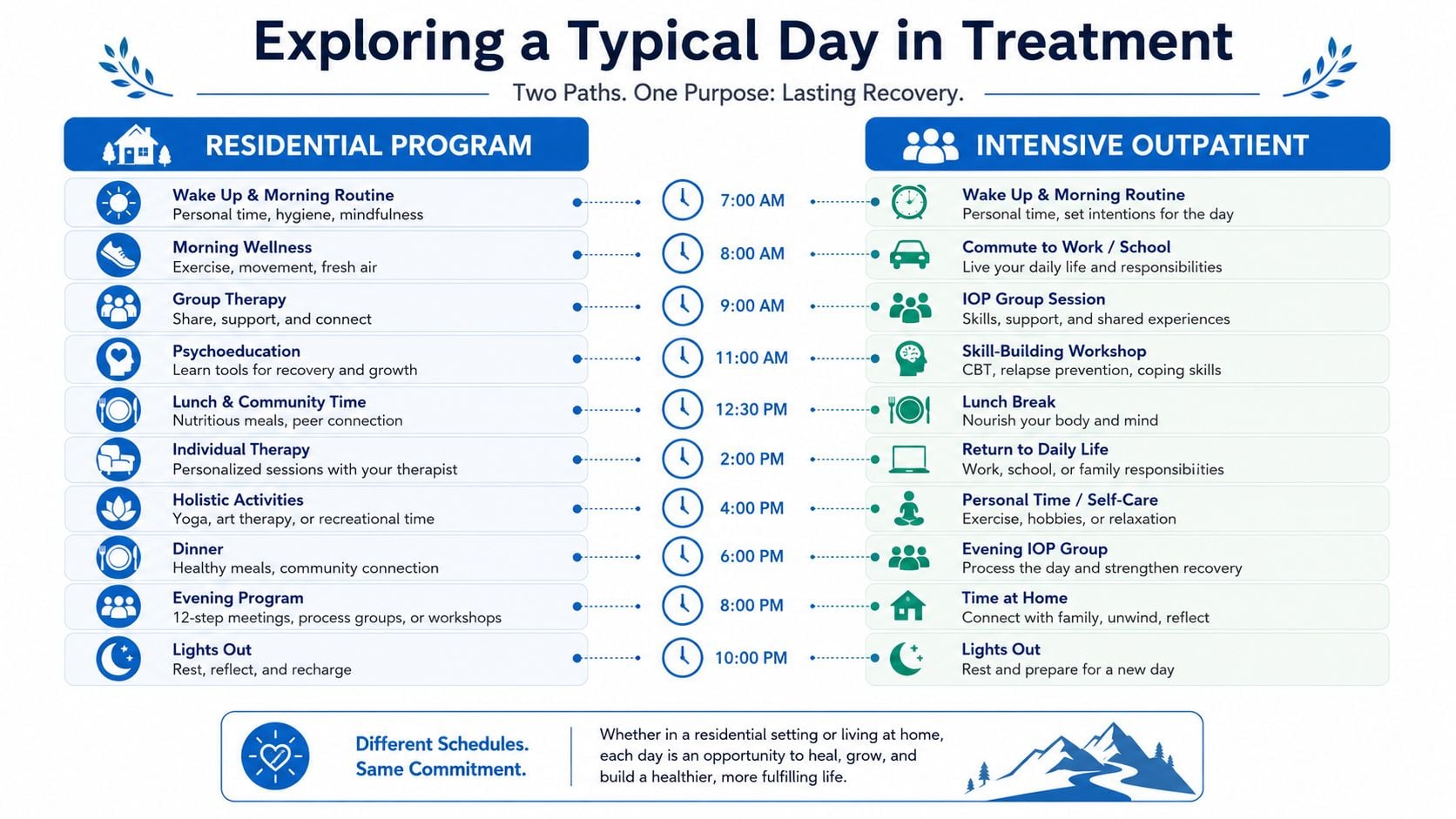
A residential day often begins early. A resident may take prescribed medication, complete a wellness check, eat breakfast, and attend a morning group focused on cravings, motivation, coping skills, or the goals for the day. The schedule creates fewer empty periods, because unstructured time can make it harder to notice triggers and practice new responses.
Later, the resident may meet individually with a counselor, attend cognitive behavioral therapy, join a trauma-informed group, and participate in an educational session about sleep, medication, relapse prevention, or co-occurring mental health needs. Meals and breaks provide ordinary routines, while staff remain available to monitor physical and emotional changes.
A residential rhythm
Afternoon programming may include dialectical behavior therapy skills, motivational interviewing, family work, peer support, journaling, movement, or mindfulness. Medication management and psychiatric check-ins fit around these activities rather than operating as a separate experience. Evening programming might include a recovery meeting, a reflection group, supervised recreation, personal calls during an approved window, and preparation for sleep.
Residential schedules vary. Visitation, weekend activities, personal time, smoking policies, spiritual support, and access to outdoor space depend on the facility's rules and the resident's clinical needs. Someone in early withdrawal may spend more time resting and receiving medical checks, while another resident may be ready for fuller participation.
How IOP feels different
An IOP participant may attend treatment blocks during the day or evening and return home afterward. The person may need to manage transportation, meals, work, children, household stress, and exposure to former triggers between sessions. That freedom can support real-world practice, but it also requires a stable and substance-free enough environment.
Common therapeutic approaches include:
- Cognitive behavioral therapy: Identifies thoughts and situations that precede use, then develops alternative responses.
- Dialectical behavior therapy: Practices emotional regulation, distress tolerance, mindfulness, and interpersonal effectiveness.
- Motivational interviewing: Helps a person examine ambivalence and identify reasons for change.
- Family sessions: Builds safer communication, boundaries, and shared expectations.
- Trauma-informed groups: Address trauma-related symptoms without forcing disclosure before a person is ready.
A structured day isn't meant to control every moment indefinitely. It gives people repeated opportunities to practice skills before they face more independence.
Navigating Rules Privacy and Family Contact
A common assumption is that rehab either removes all outside contact or permits unrestricted phone use. Neither is universally true. Policies differ widely, and neutral guidance on what happens in rehab notes that some programs limit phone access, particularly early in treatment, while others allow scheduled or supervised use.
A temporary phone restriction may help staff monitor withdrawal, reduce contact with people connected to substance use, protect privacy, and establish a predictable routine. Other programs may permit limited calls because family support helps engagement. Ask admissions to explain the reason for each rule, not just the rule itself.
Questions families should ask before admission
- Phone and internet access: When can the patient call, text, or use a computer? Are calls supervised or limited to approved contacts?
- Visitation: Which relatives may visit, during what windows, and can children attend?
- Family therapy: How are sessions scheduled, and can a partner join remotely?
- Confidentiality: What can staff share, and what written permissions are required?
- Testing and searches: How are drug screens, belongings searches, and prohibited items handled?
- Discharge policies: What behavior can lead to discharge, and what alternatives are considered first?
Federal privacy protections, including HIPAA and 42 CFR Part 2, don't mean families will receive every clinical detail automatically. Staff may listen to a family member's concerns even when they can't disclose information without the proper authorization. Families should clarify consent forms, emergency exceptions, and the preferred method for urgent communication.
Children and partners also need boundaries. A person in treatment may not be ready for long conversations, financial decisions, or conflict resolution. A planned communication schedule can reduce anxiety while allowing the treatment team to help rebuild healthier contact gradually.
Ask before arrival: Written communication rules prevent families from interpreting a clinical boundary as rejection.
Preparing for Coverage Logistics and Packing
A treatment decision isn't complete until the practical details are confirmed. Call the insurer and the program together when possible. Ask whether detox, residential care, partial hospitalization, IOP, medication visits, laboratory work, transportation, and aftercare are covered separately.
Confirm the financial path
Request a benefits check and ask for the insurer's language about prior authorization, deductibles, copayments, coinsurance, out-of-pocket limits, in-network requirements, and continued-stay reviews. Coverage can change when a person moves from one level of care to another. A program's admissions team can explain what it knows, but the insurer remains the source for the member-specific determination.
For a broader explanation of how billing, authorizations, and treatment claims can interact, the Happy Billing rehab guide may help families prepare more focused questions.
Access can also affect the plan. Scotland reported 913 statutorily funded residential rehabilitation placements in 2024/25, while maximum capacity was 574 beds across 28 facilities as of October 2025, according to the Scottish Government's annual monitoring report. That public-sector example illustrates why families should ask about current bed availability, waitlists, alternate levels of care, travel, and what support is available while waiting. Availability varies by location and provider.
Pack for the actual program
Admissions should provide the approved packing list. Common items to discuss include:
- Identification and insurance: Bring photo identification, an insurance card, relevant authorizations, and emergency contact information.
- Medications: Keep prescriptions in original containers and disclose supplements, over-the-counter products, and recently stopped medications.
- Clothing: Choose comfortable, seasonally appropriate clothing that meets the facility's safety and dress requirements.
- Personal essentials: Ask whether toiletries, laundry supplies, notebooks, reading materials, and approved comfort items are allowed.
- Restricted belongings: Confirm rules for electronics, valuables, cash, sharp objects, outside food, and clothing with drawstrings or other prohibited features.
Use this what to bring to rehab checklist before leaving. Veterans and military families should also ask how the program coordinates TRICARE or VA-related benefits, records, transportation, and continuity with existing providers.
Planning for Progress and Aftercare
A person may enter rehab hoping to leave feeling completely fixed. A more realistic expectation is measurable movement in several areas, including steadier sleep, better emotional regulation, consistent attendance, stronger peer engagement, improved communication, and reduced cravings. Abstinence remains important, but clinicians also watch how a person responds to stress, follows a medication plan, uses coping skills, and asks for help.
Evidence-based relapse prevention combines behavioral therapy and skill development, medications when indicated, and monitoring or support systems. A review of cognitive-behavioral relapse prevention describes its focus on high-risk situations, triggers, coping deficits, and reducing both the frequency of relapse and the severity of lapses in this NIH-indexed review.
Step-down care is planned care
A person may move from residential treatment to IOP, then to standard outpatient care, as stability increases. That transition can feel like losing support, so the team should explain what remains in place, who manages medications, how often therapy occurs, and what warning signs would justify more intensive care.
Research on treatment retention illustrates why continuity matters. In one NIH-indexed study, 18.7% achieved therapeutic objectives without starting new treatment, 12.4% dropped out and were readmitted within 2 years, and 67.8% dropped out with no contact with treatment centers during the following 2 years. The pattern is discussed in this study on treatment retention and outcomes. These findings don't define an individual's future, but they support planning for ongoing contact rather than treating discharge as the end of care.
A return to substance use should prompt safety-focused outreach, medication review, and reassessment. It may mean returning briefly to a higher level of support, not abandoning recovery.
Build the discharge plan before discharge
A useful plan identifies:
- Clinical follow-up: Therapy, psychiatry, medication management, and MAT appointments.
- Living arrangements: Sober housing or another setting that reduces immediate exposure to substances.
- Daily structure: Work, school, exercise, meals, appointments, and mutual-aid meetings.
- Family support: Education sessions, multi-family groups, boundaries, and a communication plan.
- Warning signs: Triggers, sleep changes, isolation, escalating cravings, and specific people to contact.
- Emergency actions: Crisis contacts, urgent-care options, transportation, and what to do if safety changes.
Schedule the first appointment before leaving, ideally within days of discharge. Recovery becomes more manageable when the next connection is already on the calendar.
Taking the Next Step With Addiction Resource Center
A practical first call should answer several questions at once. Share the substance or substances involved, recent use, withdrawal history, current symptoms, co-occurring mental health or medical needs, current location, insurance information, and any immediate safety concern. Ask the admissions representative to complete a benefits check while you're speaking and to explain what happens if the preferred bed isn't available.
The next steps may include a confidential pre-screen, clinical matching, insurance or payment verification, and a projected start date or waitlist status. A treatment provider may recommend medically supervised detox, residential rehabilitation, IOP, outpatient counseling, or another setting based on the assessment rather than on a generic template.
Families can ask how guided interventions, education, supervised family sessions, and consent procedures work. People who need flexibility may ask about virtual assessments, telehealth IOP, transportation coordination, or an in-person tour. Veterans should ask how TRICARE or VA benefits fit into the proposed plan and whether existing VA providers need records or coordination.
Before arrival, gather identification, the insurance card, medication list, allergies, emergency contacts, recent treatment information, and names of current medical or mental health providers. Confirm the program's communication rules, packing requirements, medication procedures, leave policy, coverage details, and estimated start date.
Addiction Resource Center LLC offers medically supervised detox with assessment and medication support, residential rehabilitation through a partner facility, and IOP in person or through telehealth. Call or text 530-625-7910 to request a tour or virtual walkthrough, confirm program fit and coverage, and schedule an intake when a bed and clinical match are available.
Addiction Resource Center LLC helps adults and families understand detox, residential treatment, MAT, IOP, communication policies, and aftercare before admission. Visit Addiction Resource Center LLC to review care options, request guidance, and take the next practical step toward treatment.