You took oxycodone after surgery or an injury, followed the prescription, and expected the pain to be the main problem. Then a dose is late or missed, and your body feels unexpectedly wrong: aching, restless, anxious, sweaty, unable to sleep, and desperate to feel normal again. That experience can be frightening, especially when you haven't …

You took oxycodone after surgery or an injury, followed the prescription, and expected the pain to be the main problem. Then a dose is late or missed, and your body feels unexpectedly wrong: aching, restless, anxious, sweaty, unable to sleep, and desperate to feel normal again. That experience can be frightening, especially when you haven't been seeking a high or misusing the medication.
Oxycodone dependence symptoms can occur in people who take the drug for legitimate pain. Dependence means the body has adapted to repeated opioid exposure. It isn't, by itself, proof of addiction, bad character, or deliberate misuse. The sections below explain what this adaptation feels like, how withdrawal develops, how dependence differs from addiction, and when medical support matters.
Table of Contents
- What Oxycodone Dependence Actually Feels Like
- Dependence Versus Addiction and Why the Distinction Matters
- Physical, Psychological, and Behavioral Symptoms to Recognize
- Withdrawal Timeline and What to Expect at Each Stage
- Risk Factors That Make Dependence More Likely
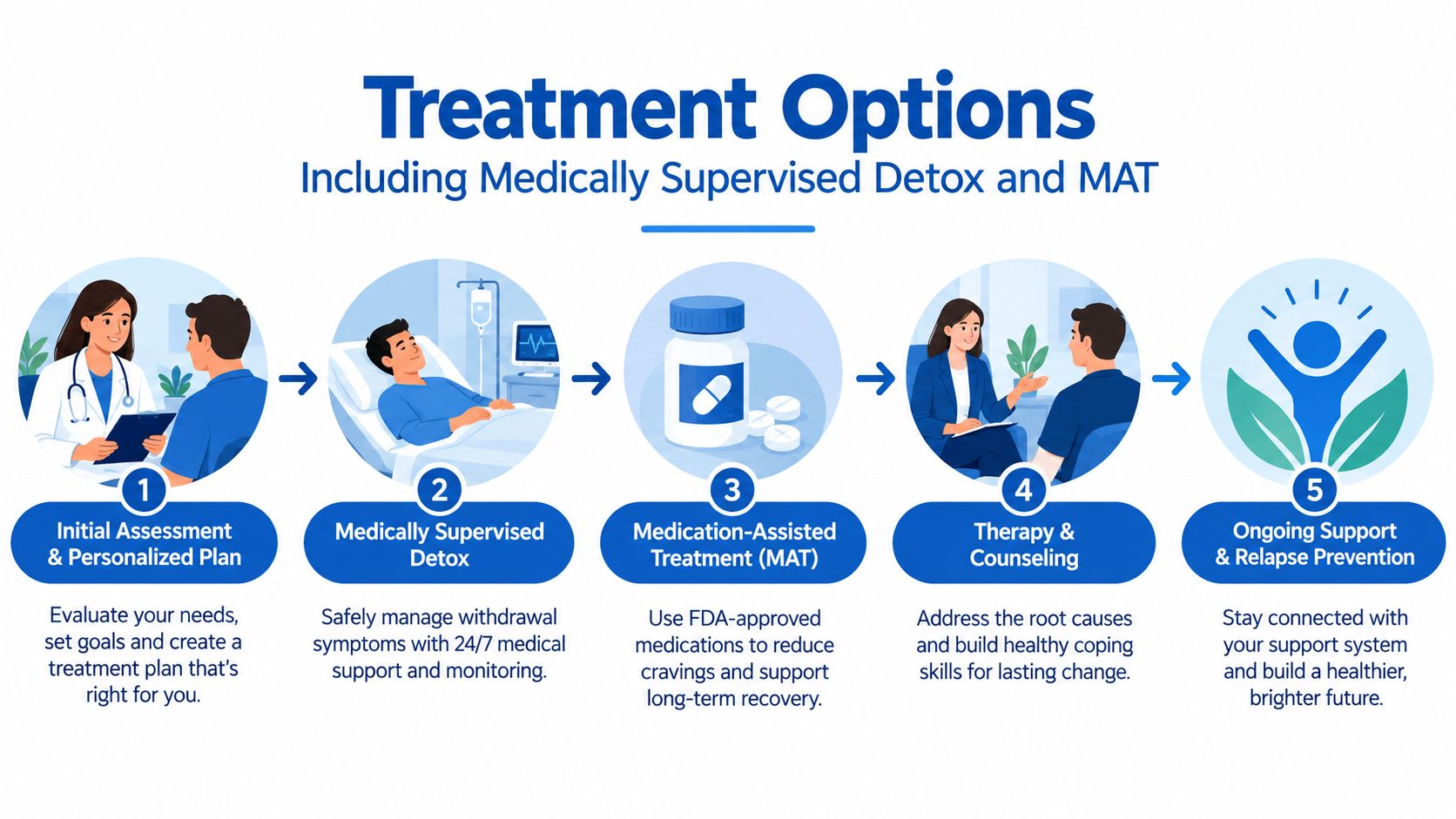
- Treatment Options Including Medically Supervised Detox and MAT
- Practical Next Steps and How to Find Local Care
What Oxycodone Dependence Actually Feels Like
After back surgery, a person may take oxycodone as directed and focus on healing. At first, each dose reduces pain and makes movement possible. Later, if a dose is delayed, the experience may change. Alongside surgical soreness, the person can become tearful, restless, clammy, unable to settle, and troubled by muscle or joint aches that seem to spread through the body.
That reaction reflects physical dependence, meaning the body has adjusted to regular oxycodone exposure. OxyContin, the controlled-release form of oxycodone, was approved by the FDA in December 1995 as the first oxycodone formulation designed for 12-hour dosing, rather than the earlier 4-to-6-hour schedule. Longer-acting products increased opportunities for continued exposure, while dependence symptoms later became recognized as a public-health concern. Cedar Crest Hospital describes common oxycodone dependence and withdrawal symptoms.
The body starts treating the next dose as normal
The nervous system can work like a thermostat that has been reset around oxycodone. With regular dosing, the body adjusts to the medication's presence. A dose brings it back toward that adapted setting. If the dose is delayed or sharply reduced, the nervous system reacts as though the temperature has changed suddenly.
Early signs may be easy to misread:
- Dose timing becomes central: You watch the clock because the gap between doses feels physically uncomfortable.
- Normal functioning depends on medication: You need oxycodone not only for pain relief, but also to stop feeling restless, sick, or unusually distressed.
- Sleep becomes fragile: You wake, sweat, or struggle to relax as a dose wears off.
- Pain seems amplified: The original injury may feel worse, or new muscle and joint discomfort may appear.
- The next dose brings relief from withdrawal: The medication restores a sense of normality, rather than adding comfort.
The FDA-linked prescribing information describes withdrawal symptoms that can include restlessness, watery eyes, runny nose, yawning, sweating, chills, muscle pain, enlarged pupils, anxiety, abdominal cramps, diarrhea, insomnia, and increased heart rate, blood pressure, or breathing rate. The DailyMed oxycodone information explains this physical withdrawal pattern.
Practical rule: Feeling ill after a missed dose is a reason to contact the prescriber, not a reason to feel ashamed.
Dependence may feel like the original pain has returned with extra force. That overlap can hide what is happening, particularly when oxycodone was prescribed for legitimate pain. A clinician can assess whether pain, withdrawal, or both are involved and plan a safer adjustment.
Dependence Versus Addiction and Why the Distinction Matters
Physical dependence is the body's adaptation to repeated oxycodone exposure. Addiction, more formally considered within opioid use disorder, involves a pattern of compulsive use, reduced control, strong prioritization of the drug, or continued use despite serious harm. The two can occur together, but they aren't interchangeable.
Think of dependence as a thermostat that has been recalibrated. The brain and body have adjusted around oxycodone, so removing it produces an overcorrection. Addiction adds a different set of problems, such as repeatedly taking more than intended, spending substantial time obtaining or using the drug, concealing use, or continuing even when relationships, health, safety, or responsibilities are deteriorating.
Three terms that often get mixed together
- Tolerance means the same amount produces less effect, so a person may need more medication for comparable pain relief.
- Physical dependence means stopping suddenly or reducing substantially produces withdrawal.
- Opioid use disorder means opioid use has become compulsive or harmful in a clinically significant way.
A patient can develop tolerance and dependence while taking oxycodone exactly as prescribed. They may not feel euphoria, may not crave intoxication, and may never take extra pills. Their main motivation may be avoiding diarrhea, anxiety, aching, insomnia, or the disturbing sense that something is wrong.
That distinction matters clinically. A person whose body has adapted to oxycodone may need a carefully paced taper and a revised pain plan. A person with opioid use disorder may also need medication treatment, behavioral care, relapse-prevention support, and protection from overdose. Treating every dependent patient as though they have an addiction increases stigma and can discourage honest conversations. Treating compulsive use as “only dependence” can delay appropriate care.
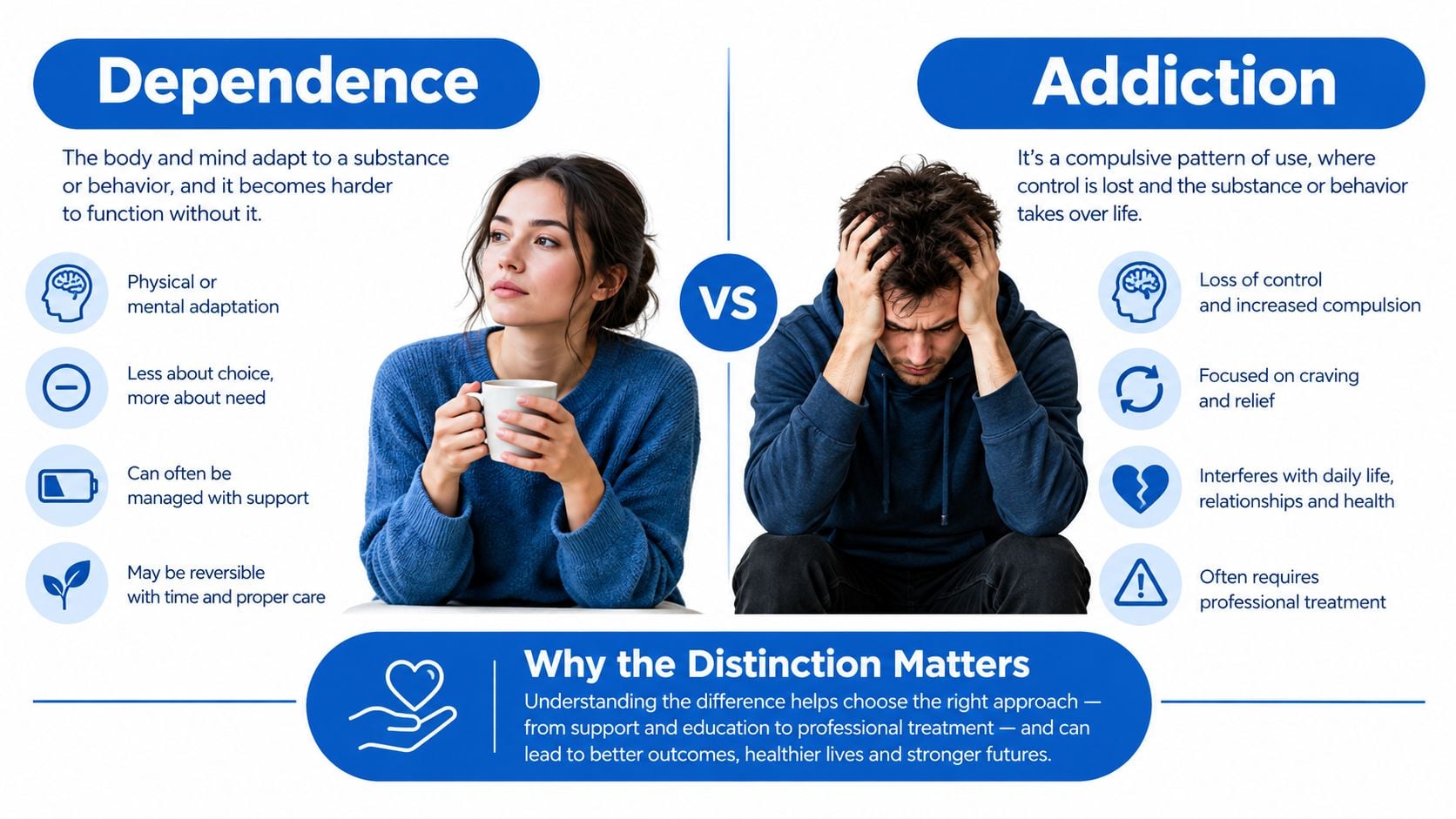
The everyday word dependence is used throughout this guide because it describes the physical experience many readers are trying to understand. The underlying physiology can exist whether oxycodone came from a legitimate prescription, was taken differently than directed, or became part of a broader addiction pattern.
Physical, Psychological, and Behavioral Symptoms to Recognize
Oxycodone dependence rarely appears as one unmistakable sign. It often emerges as a pattern across the body, mood, and daily decisions. A person may notice the physical symptoms first, while relatives or close friends notice the behavioral changes.
Physical symptoms
The body can show both opioid effects and rebound withdrawal. While taking oxycodone, someone may experience constipation, small or “pinpoint” pupils, drowsiness, dizziness, confusion, nausea, or sedation. As the medication wears off, sweating, yawning, watery eyes, runny nose, chills, muscle aches, stomach cramps, diarrhea, restlessness, and insomnia may appear.
Pain deserves special attention. Opioids can be associated with increased pain sensitivity, so a person may feel that the original condition is worsening even when part of the discomfort reflects the body's adaptation. The CDC discusses opioid-related effects such as constipation, nausea, sedation, dizziness, confusion, depression, and increased pain sensitivity.
Psychological symptoms
Anxiety may arrive between doses without an obvious trigger. Irritability, low mood, difficulty concentrating, emotional flatness, and a powerful sense of unease can follow. Craving doesn't always mean wanting a pleasurable effect. Sometimes it means wanting the physical distress to stop.
Behavioral symptoms
Behavioral clues often involve planning around access. Someone might watch the clock, count tablets repeatedly, save pills for later, cancel activities because a dose is due, increase the amount without telling the prescriber, or contact multiple clinicians for overlapping prescriptions. These actions don't establish a diagnosis on their own, especially when pain is poorly controlled, but they deserve an honest clinical review.
| Category | Common Signs | What It Often Looks Like |
|---|---|---|
| Physical | Sweating, yawning, constipation, aches, sleep disruption | Feeling sedated after a dose, then restless or flu-like as it wears off |
| Psychological | Anxiety, irritability, low mood, poor concentration, craving | Feeling unable to settle or focus until the next dose |
| Behavioral | Clock-watching, saving pills, unscheduled increases, secrecy | Organizing work, travel, and relationships around medication access |
Several symptoms appearing together, particularly after a missed dose or dose reduction, warrant a conversation with the prescriber. Families seeking a broader framework for recognizing concerning patterns can also review signs of drug addiction in adults, while remembering that dependence alone doesn't confirm addiction.
Withdrawal Timeline and What to Expect at Each Stage
Withdrawal timing varies with the formulation, amount and duration of exposure, overall health, and other substances. Immediate-release oxycodone usually produces symptoms sooner. Extended-release medication may delay them because the drug leaves the body more gradually.
| Formulation | Typical onset | Usual pattern |
|---|---|---|
| Immediate-release | About 6 to 12 hours after the last dose | Early autonomic symptoms, followed by gastrointestinal upset, aches, insomnia, and craving |
| Extended-release | About 12 to 24 hours after the last dose | Later onset, with symptoms building after the medication's longer action fades |
These ranges come from technical guidance on oxycodone detox and withdrawal, but they cannot predict one person's experience. Someone taking oxycodone for legitimate pain may first notice withdrawal as feeling sick between doses, then taking medication mainly to feel normal rather than to feel euphoric.
Early withdrawal
The first signs may include yawning, watery eyes, a runny nose, sweating, restlessness, anxiety, and difficulty relaxing. A person may describe the feeling as a cold or flu beginning. Emotional discomfort can be just as noticeable as the physical symptoms, particularly when the next dose seems to be the only relief.
The peak
Symptoms commonly intensify over the next 1 to 3 days. Muscle aches, enlarged pupils, rapid heartbeat, high blood pressure, abdominal cramps, nausea, diarrhea, tremor, insomnia, and intense craving may appear alongside the earlier signs. Someone can feel exhausted yet unable to sleep, or uncomfortable yet unable to stay still. The body is reacting to a lower opioid level, much like a thermostat struggling to adjust after a sudden temperature change.
Gradual improvement
The strongest physical symptoms often ease over about a week, while sleep, mood, energy, and craving may take longer to settle. Patient guidance describes symptoms beginning 1 to 3 days after the last dose, peaking around day 6, and continuing for several weeks in some cases. Because timelines vary, a person should contact the prescriber before changing or stopping the medication, especially if pain remains undertreated.
An evidence-based consumer resource reports that, among people with non-medical opioid use, common withdrawal symptoms included pupillary dilation, piloerection or sweating at 71.3%, muscle aches at 70.3%, insomnia at 68.9%, and depressed mood at 63.3%. The Alcohol and Drug Foundation summarizes these findings. These figures also show why sleep and mood deserve attention alongside stomach symptoms.
Knowing the likely sequence helps someone arrange support, explain symptoms to family or work, and plan medical contact. A drug detox timeline guide can help with broader planning, but severe symptoms, unsafe combinations, or uncertainty about tapering require professional guidance.
Risk Factors That Make Dependence More Likely
Dependence risk usually reflects several influences rather than one personal flaw. A person can have few obvious risk factors and still develop physical dependence after regular opioid exposure. Conversely, risk factors don't guarantee addiction or determine what treatment someone needs.
| Medical | Genetic | Behavioral |
|---|---|---|
| Higher prescribed exposure or longer treatment | Family history of substance use disorders | Depression or anxiety |
| Breakthrough pain that remains undertreated | Individual differences in opioid metabolism | Early-life trauma |
| Oxycodone taken with alcohol or benzodiazepines | Biological variation in medication response | Social isolation |
| Other medical conditions affecting recovery | No single inherited trait explains every case | History of nicotine dependence |
Medical factors often change the body's exposure and the difficulty of reducing medication. Longer treatment, a higher daily dose, or ongoing pain can make a person more reluctant to taper because the medication appears to be doing two jobs, controlling pain and preventing withdrawal. Alcohol and benzodiazepines also require direct disclosure because combining sedating substances with opioids can create serious safety concerns.
Genetics can influence how a person responds to oxycodone, but a family history isn't a verdict. It is useful information for a prescriber who is choosing monitoring, discussing alternatives, or planning follow-up.
Behavioral and mental-health factors matter because anxiety, depression, trauma, and isolation can make pain and withdrawal harder to manage. They don't mean someone lacks willpower. They indicate that a recovery plan may need counseling, social support, sleep care, and treatment for co-occurring symptoms alongside medication changes.
Risk factors are prompts for better planning, not labels for a person.
A self-assessment can start with three questions: What happens when a dose is delayed? Has pain control become less reliable? Are you using medication to prevent sickness or distress rather than only to treat pain? Share the answers with a clinician instead of trying to diagnose yourself.
Treatment Options Including Medically Supervised Detox and MAT
Treatment should match the problem being treated. Someone physically dependent on a prescribed medication may need a gradual, individualized taper and alternative pain care. Someone with opioid use disorder may need medication for opioid use disorder, structured therapy, and ongoing recovery support. Some people need both approaches.
Medical supervision and comfort
Medically supervised detox provides monitoring while the body adjusts. Clinicians can assess hydration, sleep, blood pressure, gastrointestinal symptoms, pain, mood, and the risk created by other substances. They may use short-term medications and supportive measures for specific symptoms, rather than asking a person to endure the process without help.
Detox is a starting point, not a complete recovery plan. Without follow-up, the person may return to opioid use when distress or craving rises. A proper assessment should also examine the original pain condition, mental health, prescription history, and whether the pattern meets criteria for opioid use disorder.
Medication options
Buprenorphine is a partial opioid agonist. It can reduce withdrawal and craving while producing a more limited opioid effect than full agonists, but it must be started under appropriate clinical guidance.
Methadone is a full opioid agonist provided through regulated treatment settings. It can stabilize opioid use disorder and support a longer-term treatment plan.
Naltrexone blocks opioid effects and is considered after a person has completed detox and is medically ready. Starting it too soon can trigger withdrawal, so timing requires professional supervision.
These medications are not interchangeable, and the right choice depends on opioid exposure, medical history, pain, pregnancy status, other medications, and treatment goals. This medication-assisted treatment clinic resource explains how MAT can fit into ongoing care.
Choosing the level of care
Residential treatment offers a contained setting for people who need continuous structure or cannot safely manage withdrawal and cravings at home. Partial hospitalization provides intensive daytime care while the person may return to a supervised living arrangement. Intensive outpatient care combines frequent treatment visits with home-based recovery, while standard outpatient care may fit someone who is medically stable and has reliable support.
The best setting is the one that addresses safety without creating unnecessary disruption. A provider should explain what happens after detox, how pain will be managed, and who will handle medication follow-up.
Practical Next Steps and How to Find Local Care
If you recognize several oxycodone dependence symptoms, focus on safety rather than trying to solve everything in one day. Don't stop oxycodone abruptly without speaking with the prescribing clinician or an addiction-treatment professional. Sudden discontinuation can produce a severe withdrawal response, and untreated pain may complicate the decision.
What to do in the first day
- Record your current use: Write down the product, formulation, prescribed amount, actual amount taken, dose times, and the time of your last dose.
- List symptoms clearly: Note pain, sweating, stomach symptoms, sleep, anxiety, mood, craving, and any breathing or alertness changes.
- Tell one trusted person: Ask someone to check in, help with transportation, or stay available during a medical appointment.
- Gather records: Collect prescription bottles, discharge papers, medication lists, and information about alcohol, benzodiazepines, or other drugs.
- Contact a clinician: Ask whether you need a taper, supervised withdrawal management, pain consultation, or an assessment for medication treatment.
A provider conversation works best when it includes direct questions. Ask, “Could these symptoms be withdrawal?” “How can my pain be treated during a reduction?” “Would buprenorphine, methadone, or another option be appropriate?” and “What warning signs mean I need urgent care?” Be honest about taking extra medication, running short, or using substances not listed in your chart. Accurate information helps clinicians protect you.
Finding local support
State Medicaid directories and SAMHSA treatment locators can help identify nearby programs. Treatment providers may offer confidential assessments across detox, residential, intensive outpatient, and outpatient care, including telehealth when clinically appropriate. Ask whether intake can happen promptly, whether transportation assistance exists, how insurance verification works, and whether family members can participate in planning.
For inpatient care, ask what identification, medications, clothing, and medical documents to bring. Arrange work coverage, childcare, pet care, and transportation before admission if possible. If you feel unusually sleepy, confused, difficult to wake, or short of breath, seek emergency help immediately, especially after combining oxycodone with alcohol or sedatives.
Dependence is a medical condition, and asking for help doesn't erase the legitimacy of your pain or your treatment history. An honest conversation is the strongest first move.
Addiction Resource Center LLC offers compassionate care for oxycodone dependence and related substance use concerns, including medically supervised detox with MAT, residential rehabilitation through a partner facility, and in-person or telehealth IOP. Visit Addiction Resource Center LLC to request a confidential assessment and discuss the level of care that fits your symptoms, health needs, and recovery goals.