Learn what a sober living house is and how it supports recovery from addiction with structured environments and peer support.

Getting sober is one thing. Staying sober while rebuilding your life is another. A sober living house bridges that gap by providing structure, accountability, and community support during your transition from treatment back to independent living.
At Addiction Resource Center, we know that recovery doesn’t end when you leave a treatment program. These peer-supported homes offer the stability many people need to maintain sobriety while developing the skills and confidence to live independently.
What Sober Living Actually Looks Like
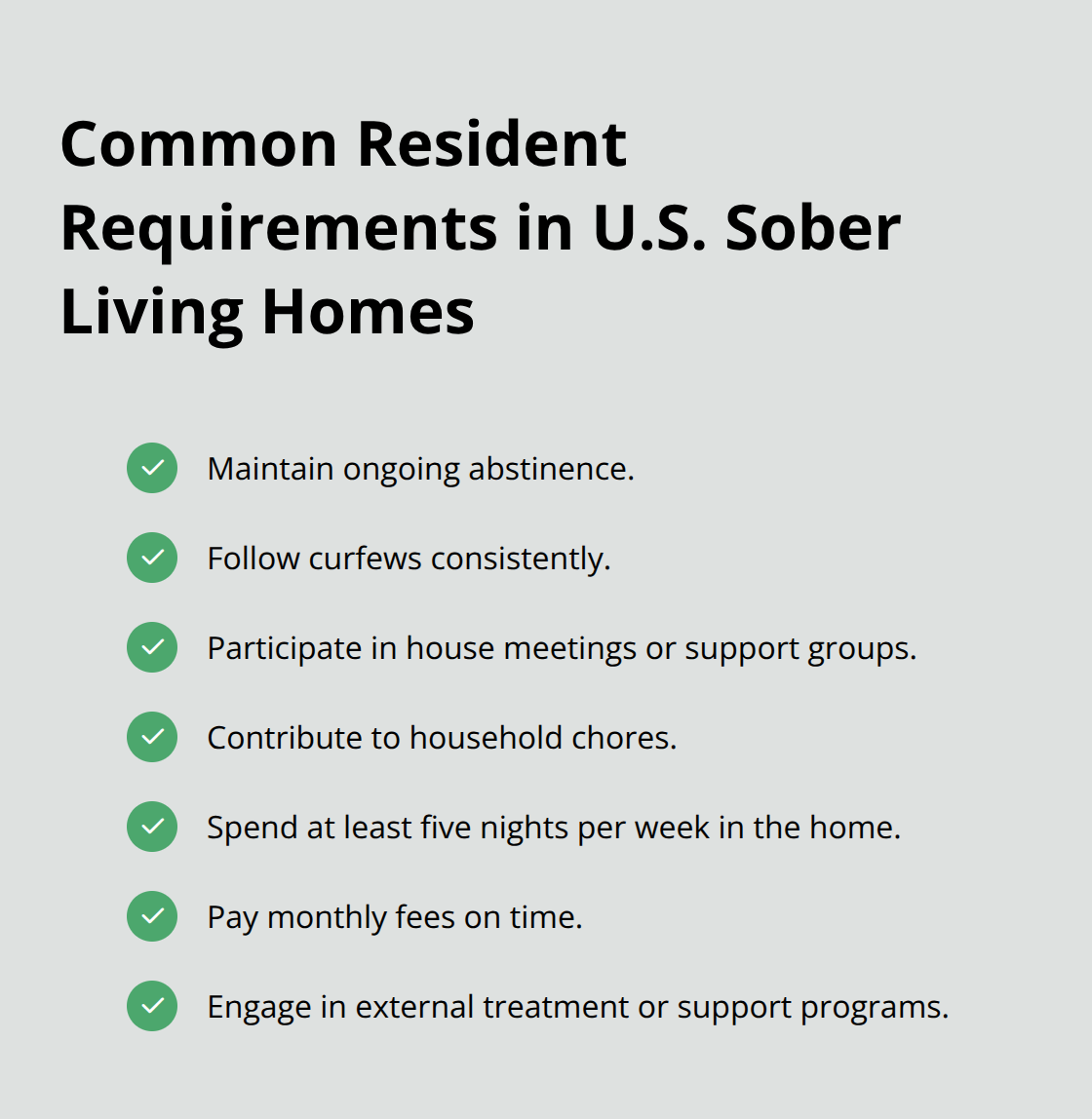
A sober living house is a privately operated, substance-free residence where people in early recovery live together with shared responsibilities and clear expectations. These homes typically house 6 to 12 residents, creating a tight-knit peer community rather than an institutional setting. Unlike halfway houses, which are often court-ordered and government-funded, sober living homes are independent operations where residents voluntarily choose to live while pursuing recovery. The National Association of Recovery Residences identifies four distinct models ranging from peer-run homes with resident leaders and no paid staff, to integrated facilities with on-site clinical teams. Most sober living homes require residents to maintain ongoing abstinence, follow curfews, contribute to household chores, and participate in regular house meetings or support groups like AA or NA. Residents typically must spend at least five nights per week in the home, pay monthly fees on time, and demonstrate commitment to their recovery through consistent participation in external treatment programs or support groups.
Structure That Works
The power of sober living lies in its predictable daily rhythm. Research shows that residents who stay 90 days or longer achieve significantly better long-term sobriety rates than those who leave earlier. House managers enforce rules consistently, meaning curfews aren’t suggestions and random drug testing happens regularly. Many homes mandate participation in chores like meal preparation, laundry, and cleaning, which builds practical life skills while reinforcing accountability. This structured approach works because it removes the chaos that often accompanies early recovery. Instead of returning to an unsupportive home environment or struggling alone, residents practice rebuilding routines, managing finances, and maintaining employment or education within a framework that actively prevents relapse triggers. The peer network is equally important-living with others pursuing the same goal creates natural accountability and shared problem-solving that individual therapy cannot replicate.
Cost Reality
Sober living costs substantially less than inpatient residential treatment, typically ranging from several hundred to over a thousand dollars monthly depending on location and services. Basic accommodations cover a room, meals, and house structure. Some homes add transportation to meetings, life-skills coaching, or contracted therapy services for higher fees. This affordability makes sober living accessible for people who cannot afford extended residential rehab but need more support than outpatient care alone provides. Ask directly what costs cover-whether utilities, meals, and laundry are included, and whether financial assistance or payment plans exist. Programs like Simple Solutions Behavioral Health, which operates recovery residences in Central Kentucky, demonstrate how structured programs integrate relapse prevention education, certified peer support specialists, and intensive outpatient therapy into the sober living model. The investment is real, but far more manageable than the $15,000 to $30,000 monthly cost of many residential treatment programs.
What Happens Next
Understanding how sober living works is one step. The next challenge involves finding the right house for your specific situation-one that matches your recovery needs, location, and values.
How Sober Living Houses Support Your Recovery
Filling the Gap Treatment Cannot Cover
Sober living works because it addresses what treatment alone cannot. When you complete a residential program, you leave with tools and insight but return to the same environment, relationships, and daily pressures that fueled your addiction. A sober living house removes you from those triggers while you remain vulnerable. The first 90 days after treatment matter most-residents who stay in a sober living environment during this window achieve significantly better long-term sobriety rates than those who return home immediately. You’re not isolated in your own apartment fighting cravings alone. Instead, you live with people who understand your exact struggle because they face it too.
Structure That Replaces Willpower
House managers enforce structure consistently, which matters enormously in early recovery when your own willpower fails. Random drug testing isn’t punishment; it’s accountability that removes the option to use impulsively. You attend mandatory house meetings, participate in chores, and follow curfews-not because anyone enjoys these rules, but because research confirms that residents who embrace this structure achieve substantially better outcomes than those who resist it. This predictable daily rhythm removes the chaos that often accompanies early recovery. Instead of struggling alone, you practice rebuilding routines, managing finances, and maintaining employment or education within a framework that actively prevents relapse triggers.
Peer Accountability That Therapy Cannot Replicate
The peer community inside a sober living house accomplishes what therapy cannot. You learn conflict resolution, compromise, and mutual support by actually living with six to eleven other people pursuing the same goal. When a housemate struggles, you see their recovery process up close and recognize your own patterns reflected back at you. This peer accountability proves far more powerful than a therapist’s advice because it comes from people without clinical credentials but with credible lived experience. You gain natural accountability and shared problem-solving that individual therapy cannot provide. The combination of external structure and peer support creates momentum that carries you forward when you eventually move out and live independently.
Practical Life Skills That Build Independence
Sober living teaches practical survival skills that many people in early recovery desperately need. You manage a household budget, learn to cook, maintain personal hygiene within a structured routine, and practice job-hunting or employment while supported by house staff. Intensive outpatient programs integrate evidence-based therapies with flexible scheduling to complement the structure you build in sober living. Your location matters too-choosing a house near your workplace, outpatient treatment, and support group meetings removes excuses and reduces time spent in high-risk environments. These life skills, combined with peer support and external accountability, create the foundation you need to transition successfully to independent living.
Moving Forward With Confidence
The combination of structure, peer accountability, and practical skill-building positions you to handle the next phase of recovery. Selecting the right sober living house-one that matches your specific needs, location, and recovery goals-determines whether this transition strengthens or undermines your progress.
Finding the Right Sober Living Home
Not every sober living house works for every person. The wrong choice undermines your recovery; the right one accelerates it. Start by asking direct questions about how homes operate and what they actually deliver.
Understand the Four Levels of Sober Living
The National Association of Recovery Residences identifies four distinct levels of structure and oversight, from peer-run operations to integrated facilities with licensed clinical staff. Peer-run homes rely on resident leaders and no paid clinical positions, which costs less but offers minimal professional oversight. Monitored homes add a paid staff position while maintaining resident governance.
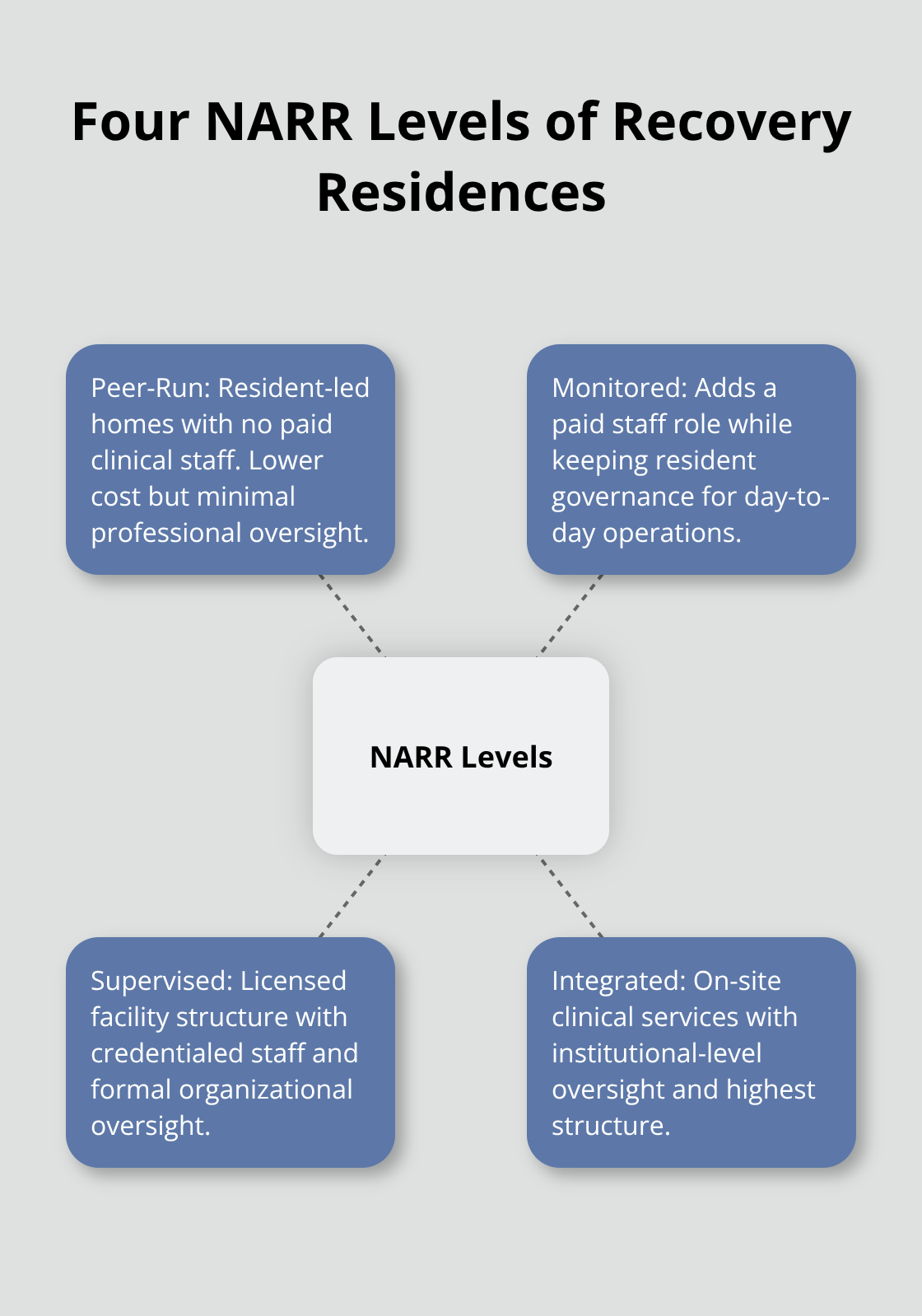
Supervised homes operate as licensed facilities with credentialed staff and organizational structure. Integrated homes provide on-site clinical services and institutional-level oversight.
Your recovery stage determines which level makes sense. Someone fresh from treatment likely needs supervised or integrated care, while someone six months sober might thrive in a peer-run environment. Ask whether the home conducts background checks on staff, maintains liability insurance, and undergoes regular inspections. Unaccredited homes with no verifiable oversight, untrained staff, or absent drug testing protocols should be avoided entirely.
Verify Track Record and Staff Quality
Request references from residents who completed their stay and ask what percentage of residents finish their planned duration versus leave early. High early departure rates signal problems with house culture, management, or resident compatibility. Ask whether the home conducts background checks on staff, maintains liability insurance, and undergoes regular inspections.
Tour multiple homes in person and talk directly to current residents about daily life, how conflicts get resolved, and whether staff actually enforce rules consistently. Ask about house culture-does the community celebrate sobriety milestones or treat recovery as a solitary obligation? Homes with active peer mentorship, resident leadership roles, and celebration of progress build momentum better than rigid, punitive environments.
Location Determines Your Success Rate
Location determines whether you actually stay sober or return to old patterns. A house near your workplace, outpatient treatment provider, and support group meetings removes friction from your daily routine. Conversely, a cheap house in a neighborhood where you used drugs or near old friends guarantees relapse risk.
Choose a location that supports your recovery goals rather than undermines them. The proximity to work, treatment, and meetings matters far more than saving a few hundred dollars monthly on rent. A convenient location near groceries, healthcare, and other amenities simplifies daily routines and reduces time spent in high-risk environments.
Evaluate Costs and Relapse Policies
Inquire about cost transparency including what utilities, meals, and services are covered, whether financial assistance exists, and what happens if you face a temporary income loss. Request the residency agreement in writing and understand termination policies-specifically, whether relapse means immediate eviction or an opportunity to step up care.
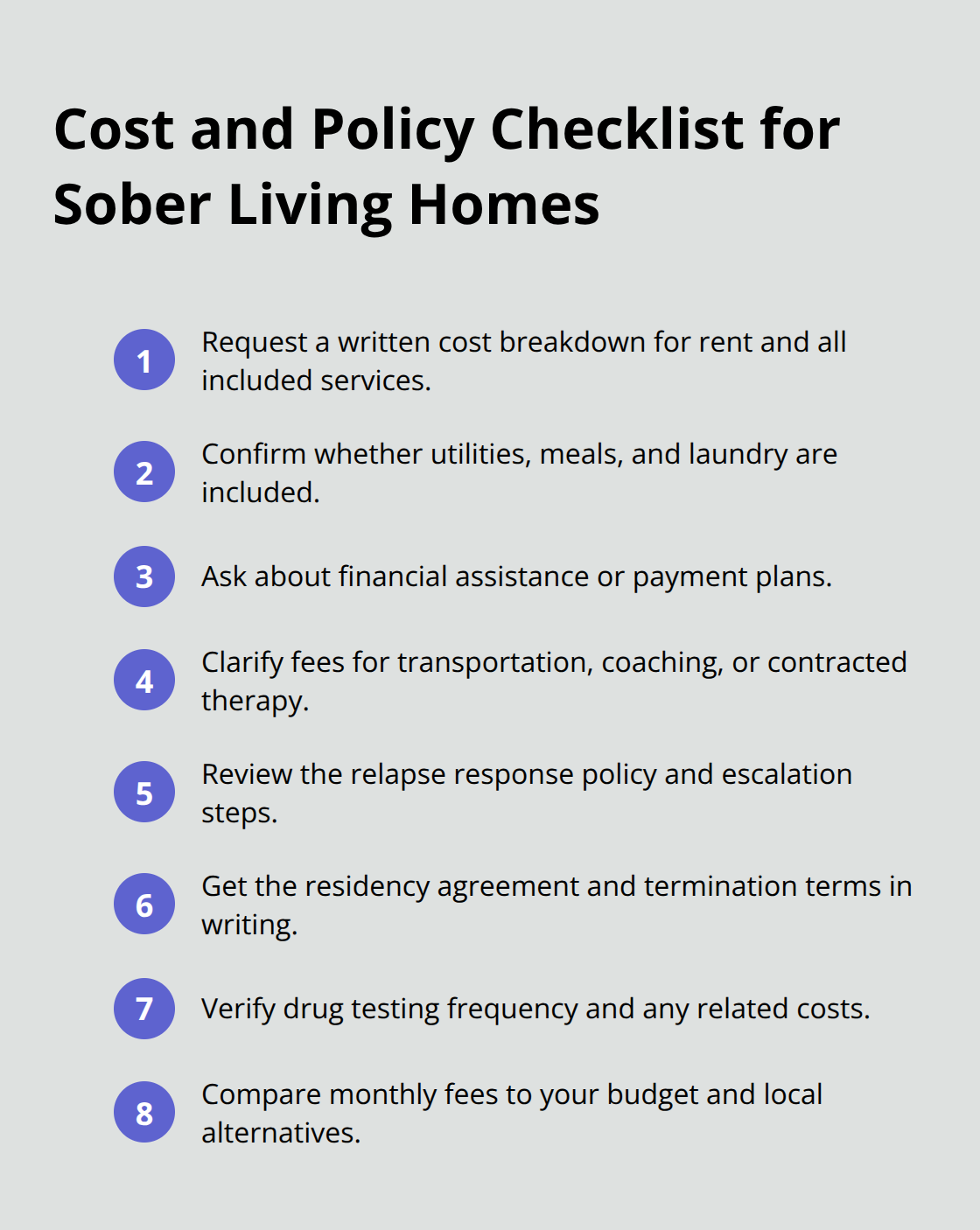
Programs that treat relapse as a signal for additional support rather than automatic eviction demonstrate a realistic understanding of recovery. The right home matches your specific recovery timeline, location needs, and financial capacity while maintaining consistent enforcement of abstinence standards and active staff engagement. This combination (structure, peer support, and professional oversight) proves more effective than sober living alone.
Final Thoughts
Sober living houses work because they combine three elements that individual willpower cannot provide: structure, peer accountability, and professional oversight. When you understand what a sober living house is and how it functions, you gain clarity about whether this option fits your recovery stage. The evidence is clear-residents who stay 90 days or longer achieve substantially better long-term sobriety rates than those who leave earlier or skip this step entirely.
The transition from treatment to independent living is where most people struggle. Sober living bridges that gap by providing accountability when your own willpower fails, peer support when isolation threatens, and practical skill-building when you feel lost (all while you remain in a substance-free environment with people who understand your exact struggle). This combination positions you to handle the next phase of recovery with genuine confidence rather than fear.
If you’ve completed treatment or are in outpatient care and need structure and community support, sober living deserves serious consideration. If you’re still exploring treatment options, Addiction Resource Center offers personalized substance abuse counseling and addiction therapy programs tailored to your specific needs. Reach out today to discuss whether sober living fits your recovery plan or to explore other treatment options that match your situation.