Explore equine therapy for drug addiction recovery and learn how horse-assisted treatment can support your healing journey today.

Addiction recovery requires approaches that address both the mind and body. Equine therapy for drug addiction is gaining recognition as a powerful complement to traditional treatment, offering unique benefits that standard programs often miss.
At Addiction Resource Center, we’ve seen firsthand how working with horses can transform recovery outcomes. This guide walks you through what equine therapy is, how it works, and how to integrate it into your recovery plan.
What Equine Therapy Actually Is
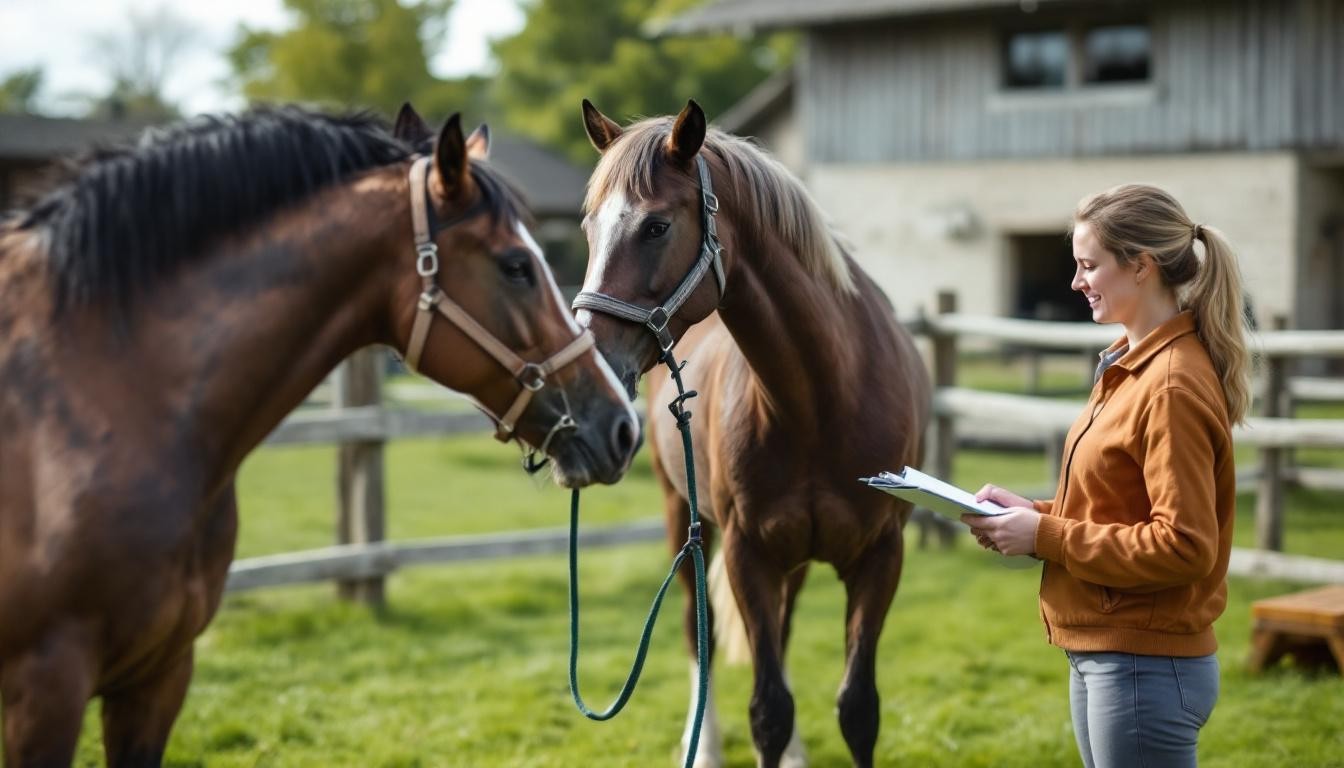
Equine therapy isn’t just riding horses. It’s a structured therapeutic approach where trained professionals guide you through specific activities with horses to address addiction recovery goals. The work happens on the ground through grooming, feeding, haltering, and leading, or mounted through therapeutic riding and carriage driving. A therapist, horse handler, and horse work together as a triad, with the horse providing real-time feedback on your emotional state and behavior.
Horses perceive your heartbeat from four feet away and mirror your emotions with remarkable accuracy. When you’re anxious, a horse becomes tense. When you’re calm and present, it responds with trust. This isn’t metaphorical-it’s neurobiology.

The horse’s nonverbal feedback forces you to develop self-awareness that traditional talk therapy sometimes misses. You cannot fake confidence or hide anxiety around a 1,200-pound animal that reads micro-expressions and body tension instantly.
Why Horses Produce Real Changes in Recovery
Research from Kern-Godal and colleagues found that participants in horse-assisted therapy stayed in treatment significantly longer than those in standard programs. A separate study by Atherton and colleagues showed that equine-facilitated psychotherapy reduced depressive and anxious symptoms significantly in adolescents with substance use disorders.
The mechanism works through oxytocin release during horse interaction, the same neurochemical tied to bonding in close relationships. Working with a horse literally rewires your brain’s stress response in ways that medications and talking alone cannot replicate. The outdoor environment compounds these benefits (anchoring recovery work in nature rather than sterile clinical spaces) and supports mindfulness and emotional processing simultaneously.
How Equine Therapy Teaches Skills That Prevent Relapse
Equine therapy teaches boundary-setting, assertiveness, and clear communication because horses demand it. You cannot lead a horse through inconsistent signals or emotional manipulation. You must be direct, calm, and consistent. These exact skills prevent relapse. When you learn to set boundaries with a 1,200-pound animal, setting them with people becomes feasible.
Routine activities like grooming and feeding establish accountability and purpose, rebuilding self-esteem through tangible accomplishment. Many programs integrate equine therapy with family healing, nutritional therapy, and 12-step recovery to ensure the skills you develop with horses transfer directly into your daily life. The practice is increasingly adopted across addiction treatment centers because engagement matters more than any single modality (if equine therapy gets you to show up consistently to treatment, it works).
Moving Forward With Equine Therapy
The evidence suggests that equine therapy reduces anxiety enough to help you participate in group therapy or make difficult family calls. If it strengthens your commitment to treatment, it works. The next step involves finding qualified providers who can match your specific recovery needs and integrate equine work into a comprehensive treatment plan.
What Equine Therapy Actually Changes in Your Recovery
How Equine Therapy Rewires Your Brain’s Stress Response
Equine therapy produces measurable shifts in how your brain handles stress and emotion. A study by Atherton and colleagues found that equine-facilitated psychotherapy significantly reduced depressive and anxious symptoms in adolescents with substance use disorders, with improvements visible on standardized measures like the PHQ-9 and GAD-7. These aren’t subjective improvements-your brain chemistry shifts when you work with horses.
Oxytocin, the bonding neurochemical, releases during interaction, creating the same neurological state as close human relationships. This matters because addiction often involves disconnection and isolation. Equine therapy rebuilds your capacity for trust at a biological level. When a horse responds to your calm presence by lowering its head and relaxing, your nervous system registers safety. Repeated sessions train your amygdala to recognize non-threatening situations faster, which directly reduces your reactivity to relapse triggers. You’re not just feeling better; your threat-detection system recalibrates.
Treatment Retention and Longer Recovery Timelines
Research from Kern-Godal and colleagues showed that participants in horse-assisted therapy stayed in treatment significantly longer than controls, with those receiving equine therapy averaging 141 days versus 70 days for standard programs. Longer time in treatment predicts better outcomes across all addiction research. This difference matters because it means you remain engaged long enough for other therapies to take hold.

The practical payoff extends beyond statistics. Equine therapy builds accountability through routine. You must feed, groom, and lead a horse daily. You cannot skip sessions because the animal depends on you. This external structure rebuilds the self-discipline that addiction erodes. Many programs integrate equine work with family therapy and 12-step recovery so the boundaries and communication skills you learn with horses transfer directly to relationships at home.
Emotional Regulation Through Immediate Feedback
If you struggle with anger or emotional volatility, equine therapy forces emotional regulation faster than talk therapy alone. A horse will not cooperate with aggressive energy or inconsistent signals. You must become calm and clear. That forced regulation happens within minutes, not weeks. The outdoor environment compounds these benefits by anchoring recovery work in nature rather than clinical settings, supporting mindfulness simultaneously with emotional processing.
The horse’s sensitivity to your emotional state creates a feedback loop that traditional therapy cannot replicate. You cannot hide frustration or mask anxiety around a 1,200-pound animal that reads micro-expressions and body tension instantly. This transparency accelerates self-awareness and forces behavioral change in real time. As you develop these skills with horses, you apply them to your relationships, your workplace, and your recovery community. The next section explores how to find qualified providers who can deliver this level of therapeutic work.
Starting Equine Therapy in Your Recovery Program
Finding Qualified Equine Therapy Providers
The right equine therapy provider determines whether you experience real therapeutic change or waste time and money. Most addiction treatment centers do not offer equine therapy, so you must identify programs that combine certified equine therapists with licensed mental health professionals. Ask directly whether therapists hold credentials from EAGALA, the Equine Assisted Growth and Learning Association, which sets the primary standards for equine-assisted psychotherapy. Verify that the program employs a horse handler alongside the therapist-this two-person model ensures both therapeutic guidance and animal safety. Check whether the facility uses rescue horses or rehabilitated animals, as many quality programs build ethical recovery work into their treatment philosophy.
Session Structure and Attendance Requirements
Effective programs deliver 90-minute sessions at minimum, typically twice weekly for six weeks or longer. A program offering single one-hour sessions scattered across months will not produce the neurochemical changes and behavioral shifts that equine work requires. Ask about minimum attendance expectations. Research found that participants who attended eight or more equine sessions showed markedly better outcomes than those attending fewer sessions, so programs that don’t enforce consistent attendance likely underdeliver results. Verify the horses are specifically trained for therapeutic work, not general riding animals. Untrained horses create safety risks and unpredictable responses that undermine therapeutic progress.
What Happens in Your First Session
Your first session should include a safety orientation, an introduction to a specific horse without pressure to ride, and groundwork activities like grooming or leading. Do not expect mounted riding initially-most quality programs start with ground-based work to build confidence and nonverbal communication skills. The therapist should explain what to watch for in the horse’s behavior and how your emotional state affects the animal’s responses. Ask whether the program tracks outcomes using validated measures like the PHQ-9 for depression or GAD-7 for anxiety, as Atherton’s research demonstrated these scales capture real changes from equine work.

Integrating Equine Therapy Into Comprehensive Treatment
Integrate equine therapy into a comprehensive plan that includes individual therapy, group counseling, and medical support if needed. Equine therapy complements but does not replace evidence-based addiction treatment. Programs that position horses as a standalone solution rather than an adjunct are overpromising. The strongest approach combines equine sessions with family therapy or 12-step participation so the boundary-setting and communication skills you develop with horses transfer directly into your relationships and recovery community (this integration matters because isolated equine work produces limited lasting change).
Connecting Equine Work to Relapse Prevention
Ask your provider how equine work connects to your relapse prevention plan-the best programs explicitly teach you to apply the calm, clear communication you practice with horses to high-risk situations with people. The horse handler and therapist should help you identify specific triggers and practice responses using the same emotional regulation techniques you develop during sessions. This direct application prevents equine therapy from becoming a pleasant distraction rather than a recovery tool. Programs that fail to bridge equine skills into real-world relapse scenarios miss the primary value of the work.
Final Thoughts
Equine therapy for drug addiction works because it addresses what traditional treatment alone often misses: the disconnect between your mind and body and the neurological patterns that fuel relapse. Participants who engage in structured equine work stay in treatment longer, show measurable reductions in anxiety and depression, and develop the emotional regulation skills that prevent relapse. These represent measurable shifts in brain chemistry and behavior, not soft benefits.
The strength of equine therapy lies in its integration with comprehensive addiction treatment. Horses complement therapy, medication, and counseling by forcing real-time emotional accountability and building trust at a biological level. When you learn to communicate clearly with a 1,200-pound animal, you develop the assertiveness and boundary-setting skills that transfer directly to your relationships and recovery community, while the routine of caring for a horse rebuilds the discipline and purpose that addiction erodes.
Starting equine therapy requires finding qualified providers who employ certified therapists, trained horse handlers, and well-vetted animals. Attend sessions consistently, ideally twice weekly for at least six weeks, and track your progress using validated measures like the PHQ-9 and GAD-7 so you can observe the neurochemical changes happening. If you’re ready to explore equine therapy as part of your recovery, contact Addiction Resource Center to discuss how personalized addiction therapy and mental health support can accelerate your recovery.