Chamomile tea, containing the calming compound apigenin, eases alcohol withdrawal symptoms by reducing anxiety and cravings. It’s caffeine-free, making it ideal for overstimulated nerves. Discover how this soothing brew aids recovery communities in navigating early sobriety as a complementary tool alongside medical care for alcohol withdrawal…

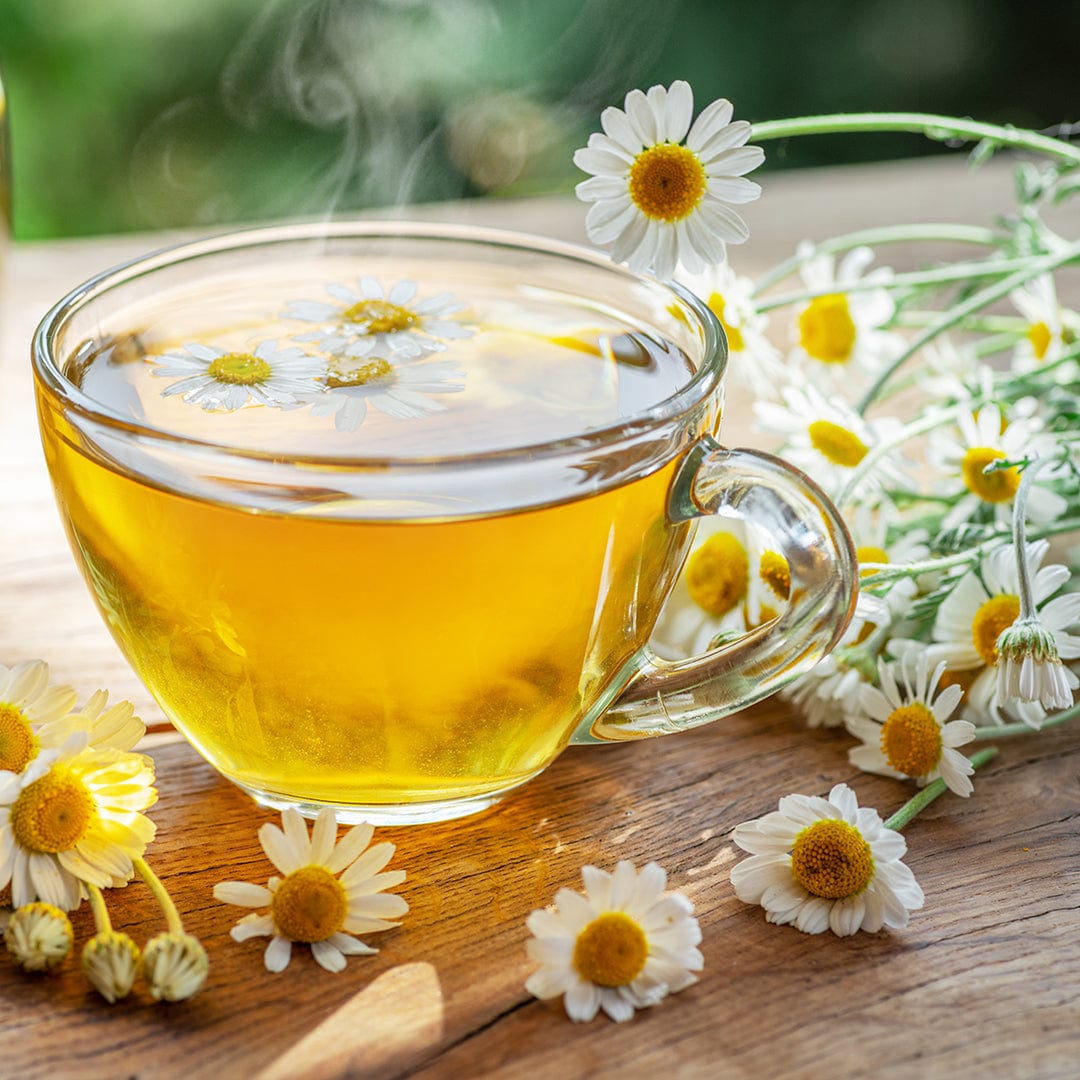
Overview of the Article
- Chamomile tea has a compound called apigenin that binds to the same brain receptors as anti-anxiety medications, making it a scientifically-backed method for easing withdrawal symptoms.
- People in recovery have reported that chamomile tea significantly reduces alcohol cravings and anxiety, sometimes after just one cup.
- Chamomile is entirely caffeine-free, which is crucial during withdrawal when your nervous system is already overstimulated.
- There’s a specific way to use chamomile during withdrawal — including when to drink it and what to pair it with — that makes it significantly more effective.
- Chamomile tea is a helpful tool, not a substitute for medical care during severe alcohol withdrawal.
Quitting alcohol is one of the most challenging things a person can do, and the symptoms that follow can make the first few days feel almost unbearable — but chamomile tea has quietly become one of the most talked-about natural tools for getting through them.
Across the internet, people in recovery communities have shared stories of turning to chamomile tea when cravings hit. They report feeling calmer, clearer, and less desperate for a drink after drinking the tea. One Reddit user in the r/stopdrinking community put it simply: “It’s amazing to me how whenever I get a strong craving for a drink, a hot cup of chamomile tea literally takes away the craving and the anxiety.” This kind of firsthand feedback is consistent with what the science actually shows about this ancient herb.
Chamomile Tea Successfully Reduces Cravings in Days for Many
The recovery community is not quick to offer praise, making the consistent positive reputation of chamomile tea all the more impressive. On various forums and in support groups, people have shared their experiences using chamomile tea not just as a calming drink, but as a proactive strategy. One person shared that they brought chamomile tea to AA meetings specifically to manage anxiety and cravings in the moment. Another person shared that they used it to reduce their substance use entirely, describing it as something that “eliminates anxiety” and lessens their desire to drink. These views are not isolated — they reflect a trend that aligns directly with what is known about chamomile’s pharmacological activity.
The Physical Struggle of Alcohol Withdrawal
Consistent heavy drinking leads to your brain adjusting its own calming mechanisms to counteract the sedative nature of alcohol. Once alcohol is no longer in the system, those adjustments are no longer needed but are still active, causing your nervous system to go into overdrive. For a deeper understanding of these mechanisms, consider reading this scientific article on alcohol withdrawal.
The Impact of Alcohol on Your Brain’s Chemical Balance
When you drink alcohol, it boosts the effects of GABA, your brain’s main calming neurotransmitter, and dampens the effects of glutamate, your brain’s main excitatory neurotransmitter. As you continue to drink, your brain tries to keep things balanced by becoming less sensitive to GABA and more active with glutamate. When you suddenly stop drinking, you’re left with a brain that’s under-producing calming chemicals and over-producing excitatory ones. This imbalance is what drives most of the symptoms of alcohol withdrawal.
Typical Withdrawal Symptoms
Withdrawal looks different for everyone, but there are some symptoms that are so common they’re well-documented. Mild to moderate withdrawal usually starts within 6 to 24 hours after the last drink and can include:
- Feeling anxious or irritable
- Experiencing tremors or a shaky feeling
- Breaking out in a sweat and having a faster heart rate
- Feeling nauseous and throwing up
- Having a headache
- Having trouble sleeping and feeling restless
- Craving alcohol intensely
Severe withdrawal — including having seizures and experiencing delirium tremens — is a medical emergency and chamomile tea or any other herbal remedy cannot treat it. If you or someone you know is having severe symptoms, get in touch with a doctor right away.
The Harsh Reality of Anxiety and Insomnia
Among the many symptoms of withdrawal, anxiety and insomnia are frequently considered the most persistent. They create a vicious cycle – anxiety prevents sleep, and lack of sleep exacerbates anxiety. Since alcohol used to serve as a sedative and anxiety reducer, its absence creates a void that the brain struggles to fill on its own, at least initially. This is where the benefits of chamomile come into play.
Understanding Why Chamomile Calms You Down
Chamomile is more than just a tasty herbal tea with a good reputation. Its calming effects are linked to definite, measurable biochemical activity that has been the subject of research for years. The most significant of these is a flavonoid compound found in chamomile flowers that directly affects the brain’s anxiety control system.
Apigenin: The Substance That Connects to Brain Receptors
Apigenin is the main active substance that gives chamomile its calming and anxiety-reducing effects. It does this by connecting to benzodiazepine receptors in the brain — the same receptor sites that prescription anti-anxiety medications like diazepam (Valium) aim for. This connection boosts GABA activity, creating a calming, mildly sedating effect without the risk of dependency that comes with pharmaceutical benzodiazepines.
There is no magic or old wives’ tales here – this is a proven scientific process. Studies published in peer-reviewed journals have shown that chamomile preparations have effects on the central nervous system that are consistent with mild sedation and sleep induction. The aqueous extract form, which is basically what you get when you brew a cup of chamomile tea, is the preparation most often studied for these effects.
What the Research Shows: Chamomile extracts have demonstrated benzodiazepine-like hypnotic activity in multiple studies. In cardiac patients, drinking chamomile tea was associated with falling into a deep sleep lasting up to 90 minutes shortly after consumption. A controlled clinical trial on chamomile extract for Generalized Anxiety Disorder (GAD) found it may have modest anxiolytic activity in patients with mild to moderate GAD. (Amsterdam et al., Journal of Clinical Psychopharmacology, 2009)
How Chamomile Mimics Benzodiazepine Activity
The comparison to benzodiazepines is significant in the context of alcohol withdrawal because benzodiazepines are actually the gold-standard medical treatment for managing withdrawal symptoms. They work by compensating for the GABA deficit that alcohol removal creates. Chamomile’s apigenin acts on the same receptor system — at a much milder level — which explains why people in early sobriety often feel a noticeable reduction in anxiety and restlessness after drinking it. It is essentially providing a gentle nudge to the same biological pathway that medical treatment targets more aggressively. For more information on recovery, explore the alcohol liver recovery timeline.
Clinical Studies on Sedation and Sleep
One of the most cited observations in chamomile research involves cardiac patients who fell into a deep sleep lasting roughly 90 minutes shortly after drinking chamomile tea. While a large randomized controlled trial specifically on chamomile and sleep is still needed, the existing evidence is consistent enough to take seriously. A study assessing chamomile’s health-promoting properties had 14 volunteers drink five cups of chamomile tea daily for two consecutive weeks, with daily urine samples collected to track biochemical changes throughout the trial. For those interested in alternative methods for relaxation, CBD oil is another option worth exploring.
In 2009, Amsterdam and his team conducted a controlled clinical trial, which was published in the Journal of Clinical Psychopharmacology. They discovered that oral Matricaria recutita (chamomile) extract demonstrated a modest calming effect in patients with mild to moderate Generalized Anxiety Disorder. That same calming effect is exactly what makes chamomile tea a perfect match for the anxiety-driven insomnia that is prevalent in early alcohol withdrawal.
The Power of Chamomile Oil Inhalation to Lower Stress Hormones
Chamomile’s calming properties aren’t limited to drinking it. Studies have shown that inhaling chamomile essential oil vapor can decrease stress-induced increases in plasma adrenocorticotropic hormone (ACTH) levels, which is a direct indicator of physiological stress response. In the same study, when diazepam was co-administered with chamomile oil vapor, ACTH levels decreased even more, suggesting that chamomile and benzodiazepine pathways operate on the same biological system. For those in withdrawal who find it hard to drink tea due to nausea, diffusing chamomile essential oil is a practical alternative that’s worth considering.
How Chamomile Tea Addresses Withdrawal Symptoms
While the science behind it is fascinating, what’s most important during withdrawal is finding something that can help you manage your day-to-day life. Chamomile tea does just that by taking on two of the most difficult withdrawal symptoms: anxiety and insomnia. Rather than simply covering up these symptoms, chamomile tea works with the same neurological systems that were disrupted by alcohol.
It’s also important to mention what chamomile tea doesn’t do. It doesn’t cause addiction. It doesn’t get you high or change your state of mind in any significant way. It doesn’t interfere with the recovery process. What it does is send a gentle, herbal message to your nervous system to relax — and during withdrawal, that message can make each hour feel a lot more bearable. For additional ways to ease withdrawal symptoms, consider exploring CBD oil relaxation techniques.
Its Impact on Anxiety During Initial Recovery
Chamomile has been used as a water-based extract to soothe nerves and reduce anxiety for hundreds of years, and we now understand how it works. The way apigenin attaches to benzodiazepine receptors leads to a noticeable decrease in nervous system activity. When it comes to withdrawal, where glutamate is uncontrolled and the brain is extremely alert, even a small calming effect can mean the difference between resisting a craving and succumbing to it.
Those who find chamomile tea most helpful during withdrawal make it a routine part of their day. They drink it when they feel a craving, before stressful situations, and at night to help them relax. This has a cumulative calming effect. The ritual of making and drinking the tea — the warmth, the aroma, the act of making and holding a cup — also triggers calming sensory cues that can break the cycle of anxiety and cravings.
- When you’re experiencing cravings: As soon as you feel a craving, drink a cup of chamomile tea. The warmth and the effects of apigenin can help stop the craving within a few minutes.
- Before situations that cause stress: If you drink chamomile tea 30 to 45 minutes before a stressful situation, it gives the apigenin enough time to reach its peak effectiveness.
- As part of your nighttime routine: Drinking a cup of chamomile tea 60 to 90 minutes before bed can help your brain understand that it’s time to relax and get ready for sleep, which can be disrupted by withdrawal.
- When you’re feeling irritable: The process of making tea — boiling the water, steeping the tea, and sitting with your cup — can provide a break that can help reduce the intensity of your emotions in the moment.
Inhaling chamomile essential oil can also be a useful tool for managing anxiety, especially in situations where it’s not practical to drink tea. Breathing in chamomile vapor for just a few minutes has been shown to affect levels of stress hormones, making it a quick and effective complement to drinking chamomile tea.
How It Promotes Good Sleep Without Caffeine
Chamomile tea is absolutely free of caffeine, which is not a trivial detail during withdrawal — it is crucial. Caffeine excites the same overactive nervous system that withdrawal is already pushing to its limits. Swapping caffeinated drinks with chamomile tea during recovery eliminates a covert source of anxiety and sleep disturbance while at the same time introducing a compound that actively encourages relaxation. Drinking multiple cups throughout the day will not make you jittery; instead, they will gradually reinforce a more tranquil baseline that makes sleep easier to achieve at night.
Maximizing the Benefits of Chamomile Tea During Withdrawal
When it comes to using chamomile tea during withdrawal, it’s not so much about finding the perfect brand or blend, but more about how you use it. Studies that have found chamomile to have anxiety-reducing effects involved participants who drank it regularly, not just every now and then. If you want to see results, you need to make it a daily habit, not just something you try out every once in a while.
How you make your tea can make a big difference. You extract chamomile’s active compounds, including apigenin, by steeping it in hot water. A weak tea bag that you’ve dunked quickly in your cup isn’t going to give you the same concentration of active compounds as a cup you’ve steeped properly. For the best results, use water that’s just off the boil (around 200°F / 93°C) and let it steep for a full 5 to 10 minutes. Keep the cup covered so you can trap the volatile aromatic compounds that would otherwise evaporate.
The quantity of your intake also plays a significant role. Those in the recovery community who have reported the most significant benefits usually consume three to five cups per day, distributed evenly throughout the day rather than in one go. This pattern of consumption is similar to the dosage used in clinical trials and helps to maintain a steady level of apigenin activity in the body throughout the day.
|
Time of Day |
Recommended Use |
Expected Benefit |
|---|---|---|
|
Morning (on waking) |
1 cup to start the day |
Reduces early-morning anxiety and sets a calm baseline |
|
Mid-morning / Afternoon |
1–2 cups as needed |
Manages cravings and irritability throughout the day |
|
Before stressful situations |
1 cup, 30–45 minutes prior |
Allows apigenin to reach activity before anxiety peaks |
|
Evening (1–2 hours before bed) |
1 cup as part of wind-down routine |
Promotes sleep onset and reduces nighttime restlessness |
Pairing chamomile with other calming caffeine-free herbal teas — such as lemon balm, passionflower, or valerian root — can amplify its effects, as these herbs also act on GABA pathways and are commonly used in combination formulas designed for anxiety and sleep support.
Whole Flower Chamomile Tea vs. Crushed Powder Tea Bags
Chamomile tea comes in many forms, but not all are created equal. Whole flower chamomile tea, which can be found either loose leaf or in unbleached pyramid-style bags, retains more of the essential oils and active flavonoids than the finely crushed powder found in standard flat tea bags. The process of crushing chamomile to fill conventional tea bags increases the surface area of the tea, which in turn accelerates oxidation and degrades the potency over time. If you are looking for the most therapeutic benefit, consider products that use whole or minimally processed chamomile flowers, such as Frontier Co-Op Organic Chamomile Flowers (loose leaf) or Harney & Sons Chamomile Herbal Tea, which uses whole flowers in its sachets. Additionally, organic certification is important to consider — chamomile is a plant that readily absorbs pesticide residues, and you do not want to be consuming those during a period when your body is already under significant stress.
When Should You Drink It and How Much?
Short answer: more often than you think and more consistently than you feel you should. Many people underutilize chamomile tea because they see it as a comfort drink to have occasionally rather than a therapeutic tool that requires a dosing strategy. During the acute phase of withdrawal, which is usually the first three to seven days, drinking three to five cups per day will give your body the best chance of experiencing significant anxiolytic and sedative support. For more ways to ease withdrawal, consider exploring CBD oil relaxation techniques.
After the initial phase, drinking one to three cups a day in the following weeks can aid in the longer recovery process. The early stages of sobriety go beyond the first week, and symptoms like anxiety, sleep deprivation, and cravings can last for weeks or even months as the brain adjusts. Chamomile tea is one of the few methods that can be used safely every day over a long period of time, is inexpensive, and the more regularly it is used, the more beneficial it becomes.
Mixing Chamomile with Other Herbal Teas Without Caffeine
Chamomile doesn’t have to be your only ally. There are a number of other herbal teas without caffeine that have similar effects to chamomile and can be used in combination or alternated to create a more comprehensive system of support for anxiety and sleep during withdrawal. Lemon balm (Melissa officinalis) is an especially good partner — it prevents the breakdown of GABA in the brain, which complements the receptor-binding activity of apigenin directly. Passionflower is another good choice, with proven anxiety-reducing effects that also work through the GABA pathways. Valerian root tea is the most potent of the group specifically for sleep, although its strong, earthy taste makes it more enjoyable when mixed with chamomile rather than consumed by itself.
Switching between these teas during the day, chamomile in the morning, lemon balm in the afternoon, and a blend of chamomile and valerian in the evening, provides ongoing support for the nervous system without the risk of caffeine or dependency. Adding apple and cinnamon and lemon and ginger teas to the mix not only adds variety, but also aids digestion. This is particularly useful as digestive discomfort often goes hand in hand with the neurological symptoms of withdrawal.
Integrating Chamomile Into a Comprehensive Recovery Plan
Chamomile tea is indeed a powerful tool during alcohol withdrawal — the research backs it up, and those in recovery can attest to it. However, it’s most effective when it’s just one part of a comprehensive plan, not the whole plan. Drinking enough water, eating a balanced diet, light exercise, good sleep habits, and professional or peer support can all complement the calming effects of chamomile to give your recovery the strongest possible base.
Chamomile tea can be a helpful daily ally for those experiencing mild to moderate withdrawal symptoms. However, for those with severe withdrawal – including a history of seizures, delirium tremens, or significant physical dependence – medical supervision is essential. Chamomile tea should be used in addition to professional care, not as a replacement. The aim is to achieve a long-lasting recovery, and to do so requires a support system with multiple layers. Chamomile tea is an affordable, evidence-based, and deeply soothing layer that is worth incorporating into your daily routine. For those facing unique challenges, such as veterans, recognizing when specialized detox programs are necessary can be a crucial step in the recovery journey.
Commonly Asked Questions
- Is There Caffeine in Chamomile Tea?
- How Fast Does Chamomile Tea Relieve Anxiety?
- Can Chamomile Tea Substitute Medical Treatment for Alcohol Withdrawal?
- Which Is the Best Chamomile Tea Brand for Withdrawal?
- Is It Safe to Drink Chamomile Tea Daily During Recovery?
Is There Caffeine in Chamomile Tea?
Chamomile tea is entirely caffeine-free. It is brewed from the dried flowers of the Matricaria recutita plant, which is naturally devoid of caffeine. This makes it an excellent choice of beverage during alcohol withdrawal, a time when the nervous system is hyperactive and any additional stimulants like caffeine could further exacerbate anxiety, elevated heart rate, and sleep disturbances. You can enjoy several cups throughout the day without worrying about intensifying the overstimulation that withdrawal already causes.
How Fast Does Chamomile Tea Relieve Anxiety?
Most people say they feel noticeably calmer within 20 to 45 minutes of drinking a well-steeped cup of chamomile tea. How quickly it works can depend on things like how strong the tea is, whether you’ve eaten recently, and your own body chemistry. Clinical observations, including cases of cardiac patients who fell into a deep sleep within a short time after drinking chamomile tea, suggest that the active compound apigenin gets to brain receptor sites relatively quickly after you drink it. For the best results, drink it on an empty stomach and let it steep for the full 5 to 10 minutes to get the most apigenin out of it.
Is Chamomile Tea a Substitute for Medical Treatment in Alcohol Withdrawal?
No, it is not — and this is a critical distinction. Chamomile tea does have proven anxiolytic and sedative effects, but these are mild and are not enough to handle the serious neurological dangers that come with severe alcohol withdrawal. Conditions such as seizures and delirium tremens are potentially fatal and require immediate medical attention. Chamomile tea should be seen as a supportive wellness tool for handling mild to moderate symptoms like anxiety, restlessness, and insomnia — not as a medical treatment. Anyone who has a history of heavy, long-term alcohol use should speak to a healthcare provider before trying to withdraw without medical supervision.
Which Chamomile Tea Brand Is Best for Withdrawal?
When using chamomile tea for withdrawal, opt for whole flower chamomile instead of the finely crushed powder found in standard flat tea bags. Whole flowers have more of the active flavonoids and essential oils. Frontier Co-Op Organic Chamomile Flowers (loose leaf) is a high-potency option that allows you to control the steeping strength. Harney & Sons Chamomile Herbal Tea is a convenient option that uses whole flowers in pyramid sachets without sacrificing quality. Traditional Medicinals Organic Chamomile Tea is widely available and uses pharmacopoeial-grade chamomile, which means it meets the standardized quality benchmarks for herbal medicine. All three brands are organic, which is important for avoiding pesticide residues during a time when your body needs clean, supportive inputs.
Is it Safe to Drink Chamomile Tea Daily During Recovery?
Absolutely — drinking chamomile tea every day is not only safe for most people, but it’s also the best way to use it during recovery. In a clinical study that looked at the health benefits of chamomile, participants drank five cups of chamomile tea a day for two weeks straight with no negative side effects. Unlike drugs, chamomile doesn’t cause dependency, tolerance, or withdrawal symptoms.
It’s worth mentioning that people who are allergic to plants in the Asteraceae family — such as ragweed, daisies, and chrysanthemums — should be cautious as chamomile may cause allergic reactions in these individuals. Pregnant women are also generally recommended to consult with a healthcare provider before regularly consuming large amounts of chamomile, as some research has linked high doses to uterine stimulation.