Build a sober support network to strengthen your recovery journey. Learn proven strategies for finding accountability and staying connected with others.

Building a sober support network isn’t optional-it’s the foundation that separates people who stay sober from those who relapse. Research shows that individuals with strong social connections are significantly less likely to return to substance use.
At Addiction Resource Center, we’ve seen firsthand how the right people around you can transform your recovery journey. This guide walks you through creating, maintaining, and strengthening the network that will carry you through long-term sobriety.
Why Your Support Network Makes or Breaks Recovery
People with strong sober networks have relapse rates between 40 and 60 percent lower than those who try to recover alone, according to research from the National Institute on Drug Abuse. The difference isn’t subtle-it’s the gap between staying sober and returning to substance use. When you have people around you who understand your goals and hold you accountable, your brain literally responds differently to triggers. The U.S. Surgeon General’s 2023 Advisory on social connection found that belonging to a supportive social network is one of the strongest predictors of sustained recovery from substance use disorders. This isn’t motivational speak; it’s neurobiology.

Your support network reduces isolation, which directly lowers stress hormones that drive cravings. Studies show that people in recovery who engage with mentors, sponsors, or peers in their first 90 days achieve significantly higher treatment completion rates than those who don’t. The reason is practical: when you face a craving at 2 a.m., you need someone to call who won’t judge you and who understands exactly what you’re experiencing.
Mentors and Peers Provide What Treatment Alone Cannot
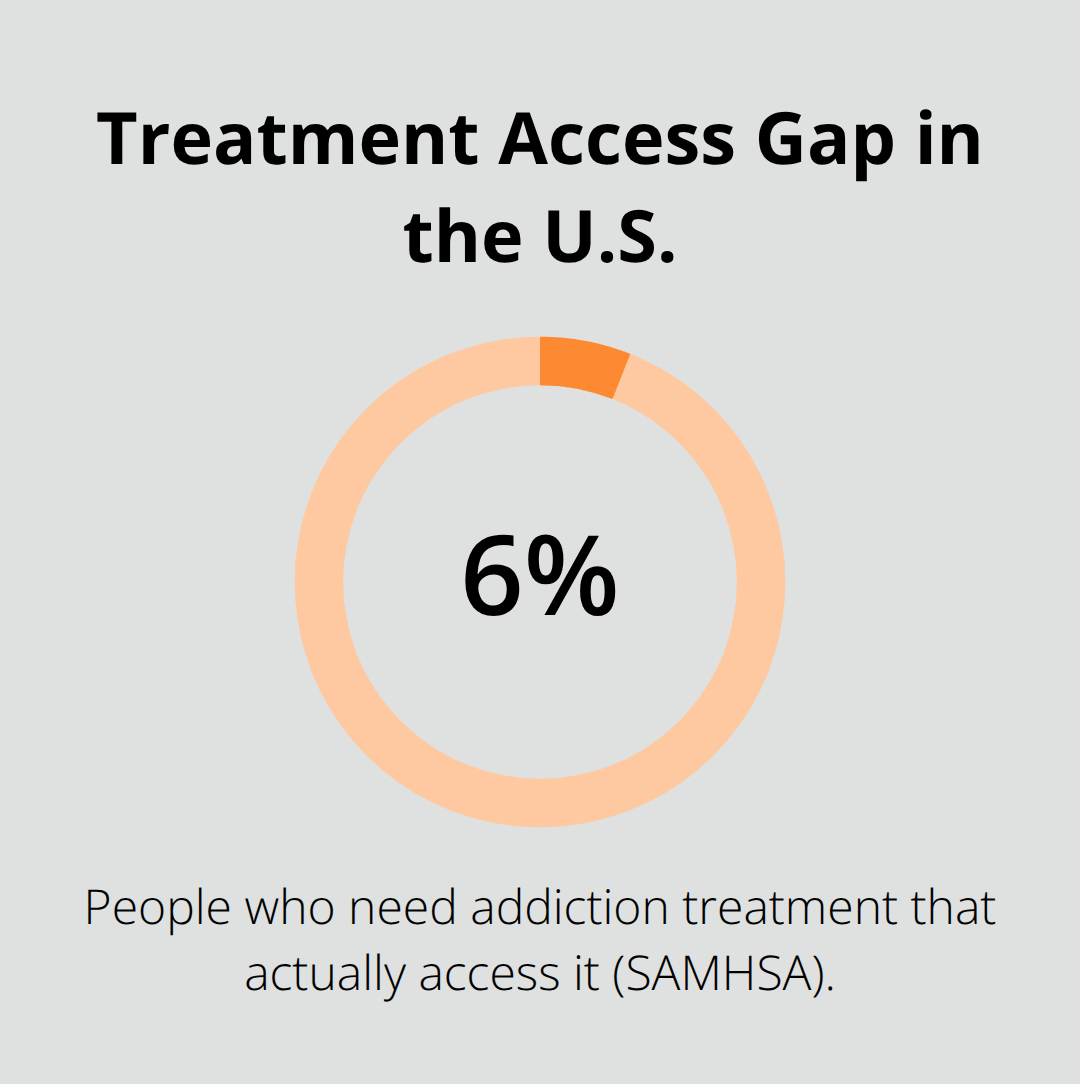
Mentors and sponsors offer something treatment alone cannot-lived experience. Research from The Phoenix, which has served over 556,950 people since 2006 across 280 counties, shows that mentors and people in recovery were the strongest sources of recovery support within participants’ networks. When someone who has walked your exact path tells you how they handled a trigger, your brain trusts that advice more than theory from a textbook. Accountability from your network works because it’s immediate and personal. If you know you’re meeting your sponsor every Thursday or checking in with your recovery group, you’re less likely to rationalize using. The instrumental support matters too-help with housing, employment, or managing daily stress removes barriers that commonly trigger relapse. About 6 percent of people who need addiction treatment actually access it, according to SAMHSA data, making community-based recovery supports essential for bridging that gap.
Social Connection Rewires Your Stress Response
Strong social ties reduce inflammation and improve physical health outcomes. When you’re connected to others in recovery, your body produces more oxytocin, the hormone that counters stress responses. This means your nervous system becomes more resilient to the situations that used to drive you to use. People with meaningful relationships report better sleep, lower blood pressure, and reduced infection risk-all factors that support sustained recovery. The sense of belonging from a sober network eliminates the loneliness that often precedes relapse. When you feel like you belong to a community of people committed to sobriety, the emotional pull toward your old life weakens significantly.
The strength of your network determines how you’ll handle the challenges ahead. The next section shows you exactly how to build that network from scratch, whether you’re starting recovery today or strengthening connections you’ve already made.
How to Start Building Your Support Network Right Now
Building a sober support network requires moving past good intentions and taking concrete actions. The first step involves identifying people already in your life who genuinely support your sobriety, not just tolerate it. These aren’t necessarily people who’ve struggled with addiction themselves-they’re people who show up consistently, ask how you’re doing, and don’t pressure you toward old habits. Start with a list of five to ten people you trust, then have direct conversations with them about what you need. Tell them specifically: I’m committing to sobriety, I may struggle, and I need people who won’t judge me when things get hard. This honesty filters out people who aren’t ready to support you and strengthens bonds with those who are.
Consistency matters more than perfection when building recovery networks. Attend the same meeting at the same time each week. Show up to the same coffee shop where recovery people gather. Repetition builds relationships.
Finding Groups That Actually Fit Your Life
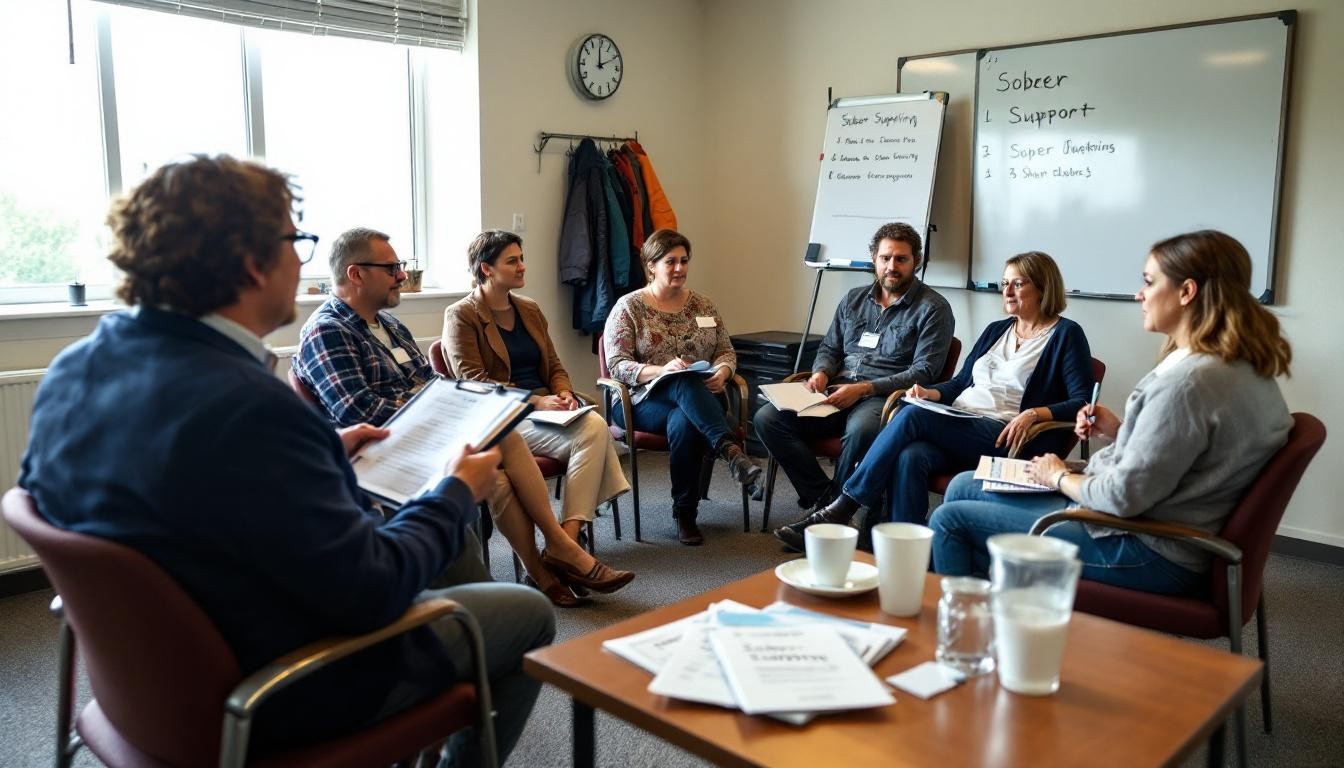
Joining support groups sounds straightforward but fails when you pick the wrong one. Alcoholics Anonymous and Narcotics Anonymous offer structure and sponsorship, but they’re not the only option. SMART Recovery focuses on self-empowerment rather than the 12-step model. The Phoenix specifically targets younger people and builds sober community through social events and digital platforms. Collegiate recovery programs exist at over 150 universities and community colleges for students in recovery. Visit three different groups before deciding-the first meeting often feels uncomfortable regardless of fit. Pay attention to whether people actually talk about their lives or just recite scripts. Notice if the group addresses practical issues like employment and housing or stays abstract.

Professional Treatment Complements Peer Support
Professional treatment providers serve a different function than peer groups-they diagnose co-occurring mental health conditions, teach specific coping skills, and manage medication if needed. About 6 percent of people who need treatment actually access it according to SAMHSA, which means most recovery happens outside formal treatment. This makes peer support non-negotiable, but professional guidance prevents you from missing treatable depression or anxiety that mimics relapse risk. Outpatient addiction treatment programs address the underlying issues that drive cravings and complement group meetings effectively.
What you do next determines whether your network becomes a source of real accountability or simply a collection of good intentions.
Maintaining and Strengthening Your Support Network
Your support network only works if you actively maintain it, and maintenance means setting boundaries that protect your recovery without isolating you. Most people treat their network like a static thing-you build it and assume it stays functional. Reality is messier. Someone in your network might trigger you with casual comments about drinking. A sponsor might expect too much availability. A family member might enable old behaviors while claiming to support you. You need to identify these problems early and address them directly.
Set Boundaries That Protect Your Recovery
Tell your sponsor if their expectations don’t match your schedule. Let your recovery group know if someone’s behavior makes you uncomfortable. Most people respond well to honesty because they want your recovery to succeed. If they don’t respond well, that tells you they don’t belong in your inner circle. Setting boundaries isn’t rejection-it’s self-protection, and recovery demands it.
Network quality matters far more than network size. You’d rather have three genuinely supportive people than ten who drain your energy or undermine your goals. Weak relationships create stress; strong ones sustain sobriety.
Communicate Your Needs Clearly and Regularly
Communication failures destroy networks faster than anything else. You can’t expect people to know what you need without telling them explicitly. Don’t assume your sponsor understands you’re struggling with cravings if you never mention it. Don’t expect your family to stop offering wine at dinner if you haven’t had a direct conversation about it.
Schedule regular check-ins with your core network members-not crisis calls, but planned conversations where you update them on how you’re doing and ask what support you actually need that week. Some people need daily contact during early recovery; others thrive with weekly meetings. Your needs will shift as you progress, so communication must adapt. This flexibility keeps relationships functional instead of resentful.
Participate Actively in Group Activities and Meetings
Participation in group activities and meetings isn’t optional busy work-it’s where your network becomes real. Showing up to the same meeting every week builds relationships that can sustain you through crises. Consistent participation in structured recovery programs correlates directly with better long-term outcomes.
Talk to people after meetings. Exchange phone numbers. Volunteer to help set up chairs or make coffee. These small actions transform you from an attendee into a community member. When you’ve invested time and energy into a group, you feel accountable to it. When you know people by name and have shared experiences with them, calling someone at 2 a.m. because you’re struggling becomes natural instead of frightening. Your network strengthens through action, not intention.
Final Thoughts
Your sober support network sustains recovery for years and decades-it’s not something you finish and abandon. People who maintain strong connections to others in recovery stay sober at dramatically higher rates than those who isolate, and your network becomes the safety net you rely on when cravings hit, stress overwhelms you, or old patterns try to pull you back. Without it, recovery becomes exponentially harder.
Early recovery is when you’re most vulnerable, which makes building connections immediately essential rather than waiting for the perfect moment. Attend your first meeting this week, reach out to one person you trust and tell them about your commitment to sobriety, and join a group that matches your values and schedule. These actions feel small in the moment, but they transform recovery from an isolated struggle into a shared journey where accountability and understanding flow naturally.
We at Addiction Resource Center understand that building a sober support network works best when combined with professional treatment. Addiction Resource Center provides personalized addiction therapy, substance abuse counseling, and mental health support tailored to your specific needs while you simultaneously build peer connections that sustain long-term recovery. Your recovery depends on action, not intention-start today.