The call comes at a rough hour. Detox is done, the hospital discharge papers are on the counter, and the family is asking the same thing in different ways, now what, who is going to keep this going, and what happens when the structure disappears on Monday morning. That's the moment when people start hunting …

The call comes at a rough hour. Detox is done, the hospital discharge papers are on the counter, and the family is asking the same thing in different ways, now what, who is going to keep this going, and what happens when the structure disappears on Monday morning. That's the moment when people start hunting for recovery coaching services, because they need something practical that sits between crisis care and the work of living.
A lot of families waste time arguing over labels. They ask whether they need therapy, a sponsor, a case manager, or a peer supporter, when the better question is simpler, what support will keep the person connected after the immediate crisis has passed. In Yuba City and across Northern California, that usually means a clinical plan plus a structured peer-support layer, not one or the other. For aftercare decisions that need to be made fast, the safest mindset is to treat recovery support as a continuum, not a single service, and to start with a concrete aftercare plan that keeps recovery on track through the first fragile weeks at aftercare planning guidance.
Table of Contents
- When the Next Question After Detox Is Now What
- What Recovery Coaching Services Actually Are
- How Recovery Coaching Differs From Therapy and Sponsors
- What the Evidence Shows
- What a Typical Coaching Engagement Looks Like
- How to Choose the Right Recovery Coach
- Costs, Insurance, and Local Options in Northern California
When the Next Question After Detox Is Now What
A person leaves detox with a sharper mind, a weaker body, and a lot more vulnerability than most families expect. The first shock isn't usually a craving, it's the gap in the schedule. Meals, sleep, transportation, meetings, housing, work, and the awkward conversation with relatives all come rushing in at once.
Why the handoff matters
That's where people get tripped up. They think they need either “real treatment” or “just support,” when the actual answer is usually both. A recovery coach is useful precisely because the coach works in the messy middle, where the person is no longer in the hospital bed but isn't stable enough to wing it.
Practical rule: if the next 72 hours are the danger zone, don't rely on hope or good intentions. Put structure around the transition.
Families often feel embarrassed that they're confused about the difference between coaching, therapy, and sponsorship. Don't be. The terms get tossed around casually, but they serve different jobs. If someone has just left detox, the priority is not a perfect theory of care, it's a plan that prevents drift, relapse, and another emergency room visit.
The strongest programs treat this handoff as seriously as the detox itself. They don't pretend the crisis is over just because the acute symptoms are quieter. They build the next layer of support immediately, because that's when people are most likely to disappear from care if nobody is paying attention.
What Recovery Coaching Services Actually Are
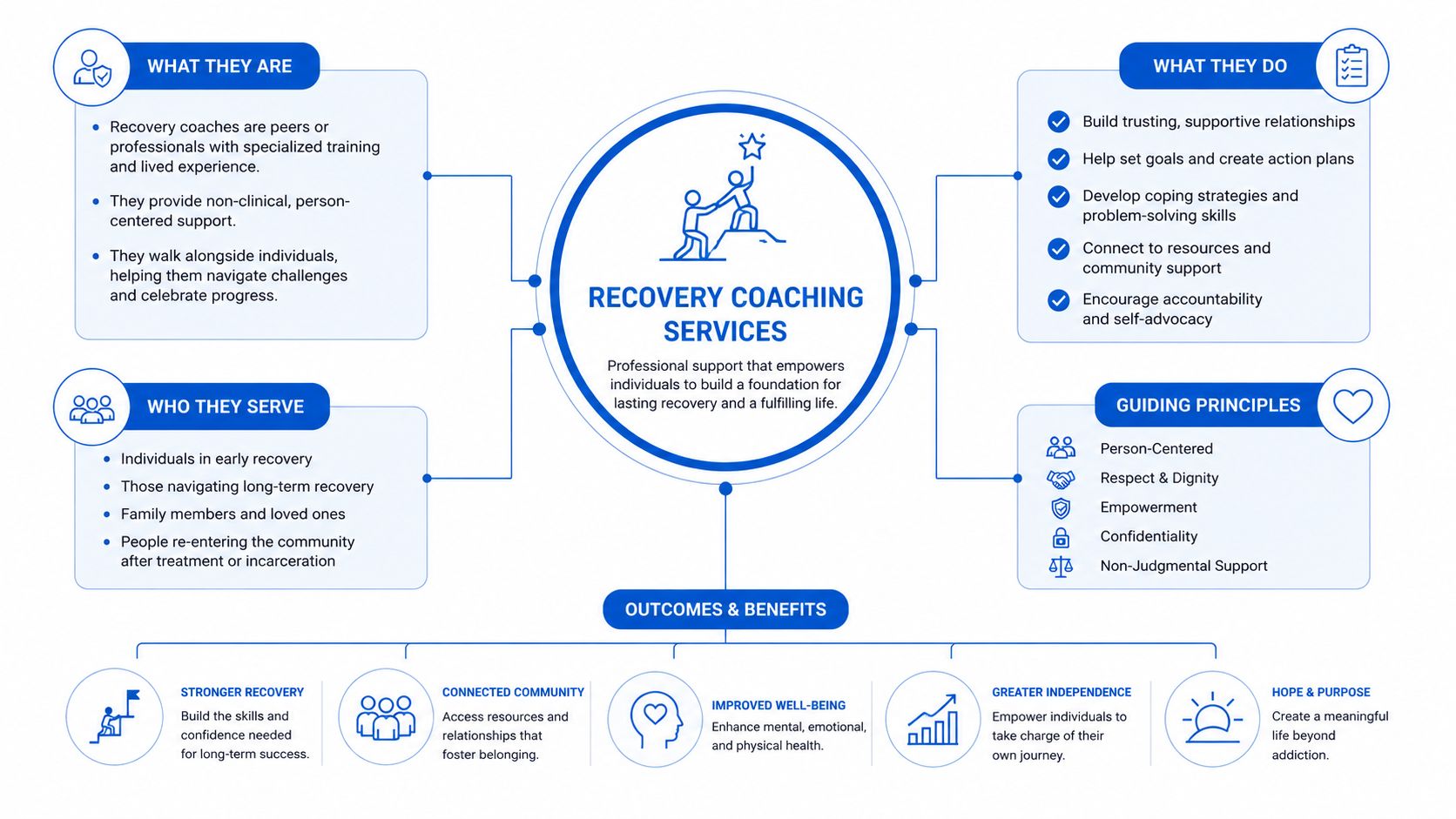
A recovery coach is a non-clinical peer who helps a person stay engaged in recovery while life is still messy. The role is built on lived experience, practical problem-solving, and consistent contact, not diagnosis or psychotherapy. That's why the service works best when someone needs encouragement, accountability, and help navigating day-to-day barriers that can derail good intentions.
What the work looks like in practice
A coach helps a person build a recovery plan that can survive real life. That can mean setting small weekly goals, checking in after appointments, helping someone think through a family conflict before it blows up, or troubleshooting the boring stuff that derails recovery, like rides, paperwork, or the fear of going back to work too soon. In plain terms, the coach is the teammate between appointments.
The analogy I use with families is simple. Therapy is the surgeon or licensed clinician. A sponsor is the fellowship guide. A recovery coach is more like the trainer in rehab who shows up, keeps the form honest, and helps the person keep moving when motivation dips. The coach isn't there to replace medical care. The coach is there to keep the plan from falling apart in ordinary life.
A good coach also knows when to bring in other people. If someone needs medication management, trauma treatment, housing help, or legal support, the coach shouldn't fake expertise. The value is in coordination, not imitation. That's why people who do well with coaching often describe it as the thing that helped them stay connected long enough for the rest of treatment to work.
For readers who want a broader overview of peer-based support, the discussion of peer support in recovery is a useful companion.
How Recovery Coaching Differs From Therapy and Sponsors
The biggest mistake families make is mixing up roles that look similar on the surface. They're not the same, and pretending they are leads to bad expectations. A recovery coach, a therapist, a sponsor, and a case manager can all be helpful, but they're doing different jobs.
The cleanest way to separate them
Therapy is clinical care. A licensed therapist diagnoses, treats, and works on the underlying mental health picture. A sponsor is a peer inside a fellowship who shares lived experience and guides step work. A case manager handles access, benefits, housing, and paperwork. A recovery coach sits between those lanes, offering paid, structured, goal-oriented support that stays non-clinical.
| Role | Clinical? | Paid? | Primary job | Best fit for |
|---|---|---|---|---|
| Recovery Coach | No | Usually yes | Goal-setting, accountability, transition support, practical problem-solving | People who need structure between treatment contacts |
| Therapist | Yes | Yes | Diagnosis and treatment of mental health conditions | People needing counseling or clinical intervention |
| Sponsor | No | No | Peer fellowship support and step guidance | People working a 12-step program |
| Case Manager | Sometimes, but not therapy | Usually yes | Benefits, housing, referral logistics | People who need system navigation |
That table matters because it keeps expectations honest. If a person needs counseling, coaching won't do that job. If they need someone to help them get to appointments, reconnect with routines, and stay engaged after discharge, a sponsor alone may not be enough. The best use of coaching is usually in the space between clinical sessions, especially when the person is trying to turn recovery into daily habits rather than just survive another week.
A sponsor can be invaluable, especially in mutual-aid programs, and the role is different enough that it deserves its own discussion at sponsor guidance. But a sponsor doesn't replace a paid, documented support role when the person needs broader life coordination.
What the Evidence Shows
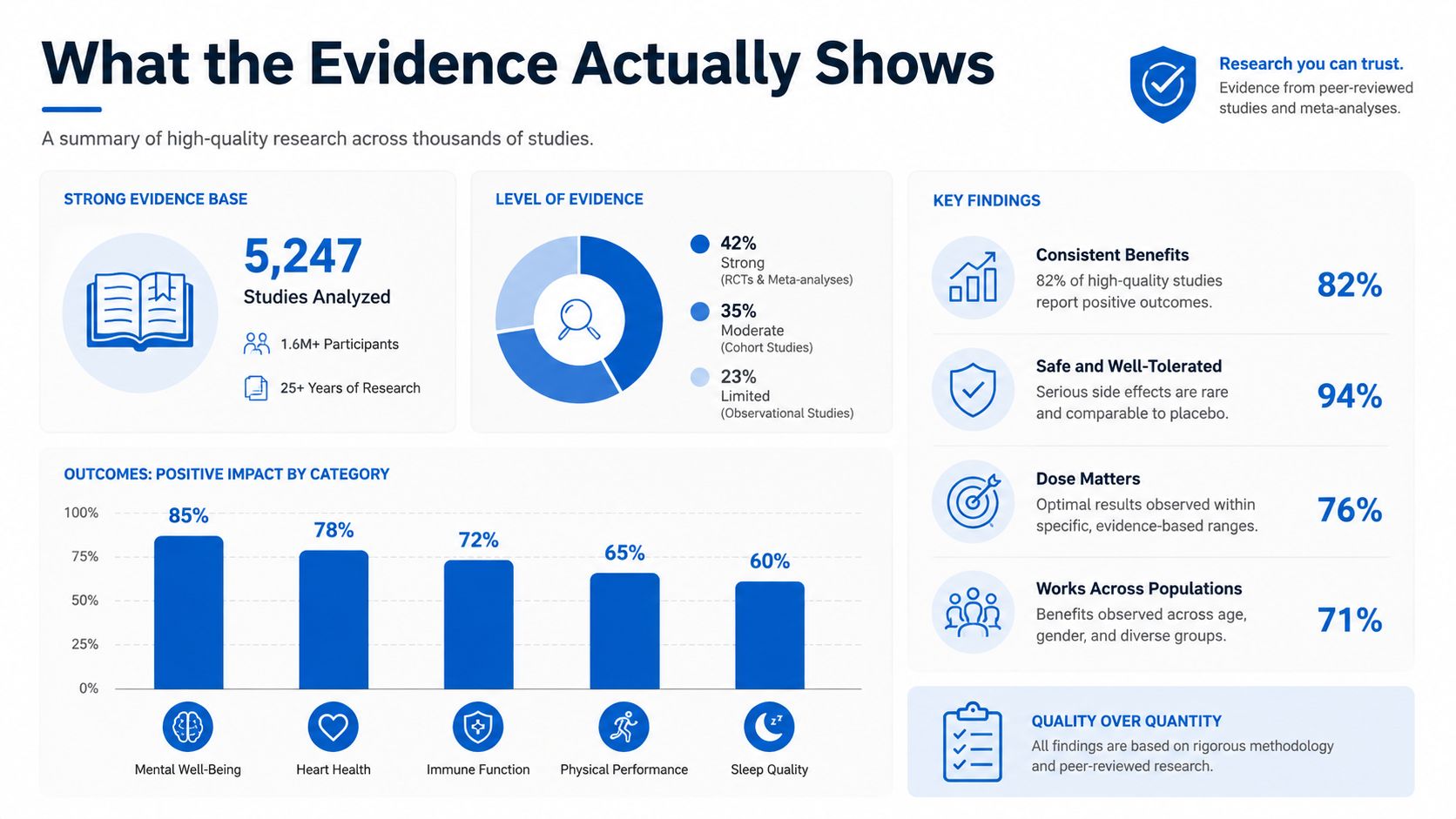
The evidence base is strong enough to take seriously, and honest enough to avoid hype. In an AmeriCorps-supported evaluation, people who spent 9 to 16 hours per week with a recovery coach had a 1.01-point higher mean recovery capital score on a 1 to 5 scale than those spending less than 1 hour per week, and that association was statistically significant with p = 0.03 AmeriCorps evidence snapshot. That does not mean more coaching fixes everything. It does mean consistent contact can be linked to stronger recovery resources.
What families should pay attention to
A separate pilot study found treatment engagement in the six months after discharge was 84% in the recovery coaching group versus 34% in standard care (AmeriCorps evidence snapshot). Another hospital-based evaluation reported hospitalization dropped from 41% pre-engagement to 23% post-engagement after meeting with a recovery coach (AmeriCorps evidence snapshot). Those are the numbers families should care about, because they point to engagement, continuity, and fewer acute-care crises.
Recovery coaching is strongest as a bridge, not a miracle. It helps most when the goal is keeping someone connected long enough for treatment, housing, work, and routine to hold.
The literature is more mixed on long-term substance-use outcomes, and that is fine. Not every intervention should be judged by abstinence alone. In low-resource settings, peer recovery support has also been linked with gains in housing and employment, which matters because stability often comes before sobriety is durable. For families, the takeaway is straightforward: coaching is a serious support layer when the goal is to improve engagement and stability, not to replace clinical treatment.
What a Typical Coaching Engagement Looks Like
A solid coaching relationship starts with a plain conversation about goals, safety, and what the coach can do. The first meeting should cover the person's current situation, what support they already have, what their biggest triggers are, and what success would look like in the next few weeks. If the coach doesn't ask those questions, that's a bad sign.
How the first weeks usually work
Early on, contact is often frequent because the risk is high. The coach may help the person get to appointments, reset a morning routine, talk through a tense conversation with a spouse, or plan for a high-risk evening when old habits are likely to flare up. As stability improves, the contact usually gets less intense and more focused on maintenance.
A typical scenario looks like this. Someone steps down from residential care into outpatient treatment, then starts meeting a coach weekly to keep sleep, meals, rides, and recovery goals from unraveling. The coach is not there to monitor every thought. The coach is there to keep the person moving through the week without losing the thread.
Behind the scenes, the better programs document progress, coordinate with the clinical team, and keep the service tied to concrete goals. That matters because recovery coaching should be measurable enough to know whether it's helping. If the contact is vague, undocumented, and unconnected to the larger plan, it's just conversation.
How to Choose the Right Recovery Coach
The right coach won't get defensive when you ask direct questions. In fact, a good one should expect them. Families need to know who they're inviting into a vulnerable part of the process, and the answer has to be more than “they're nice and they've been there.”
Questions to ask before you commit
- What training and certification do you have? Ask for the actual pathway, not a vague promise of experience.
- What does your scope of practice include? A coach should be clear about what they do and don't handle.
- How do you coordinate with therapists, doctors, or the treatment team? If there's no coordination, the person can end up with fragmented support.
- How do you document progress? You want a service that tracks goals, not just impressions.
- What happens if there's a relapse, crisis, or missed appointment? The answer should be practical, not punitive.
- Are you available after hours, and if so, what does that mean? “Available” can mean many things, so get specifics.
Red flags are easy to spot once you know what to listen for. Watch for anyone who promises to cure addiction, pressures the person to drop therapy or medication, avoids explaining pricing, or acts as if documentation is optional. Also be cautious with vague claims about being “just like a sponsor,” because professional recovery support should be more accountable than that.
For readers comparing models, it also helps to see how coaching fits alongside broader support options and relapse planning. The point isn't to find the most inspirational person. It's to find the one who will work the plan with discipline.
Costs, Insurance, and Local Options in Northern California
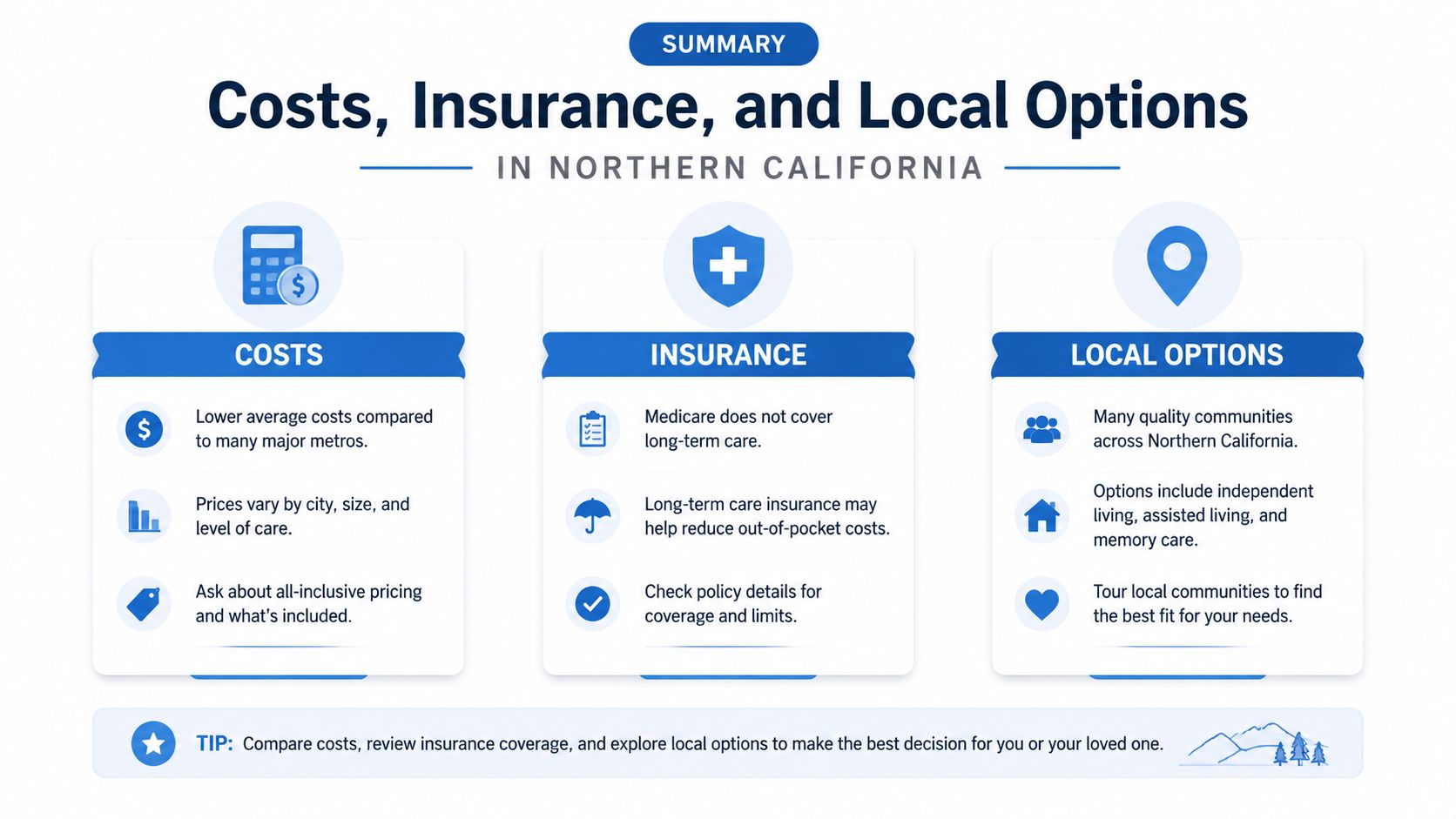
Recovery coaching is usually paid through private insurance, Medicaid in some states, private pay, or bundled treatment programming. Coverage depends on the plan and the state, so the right move is to verify benefits before assuming a service will be covered. If you're checking whether behavioral health services are included at all, a resource like verify mental health benefits can help you understand the insurance side before you call a provider.
What that looks like in Yuba City
In Northern California, Addiction Resource Center LLC is set up as a full continuum provider, not a one-off referral site. The Yuba City office is at 1002 Live Oak Blvd., Suite A, and the team can be reached by phone or text at 530-625-7910 for immediate guidance, scheduling, or a tour. The program includes medically supervised detox with MAT, residential care through Ona Treatment Center in Browns Valley, and an Intensive Outpatient Program available in person and via telehealth. It also accepts major plans, including Anthem, Blue Cross, Blue Shield, Aetna, United Healthcare, and Tricare.
That kind of integration matters. A person can move from detox to residential care, then into IOP and aftercare without having to rebuild the support team from scratch. For families trying to make one good decision after another, that continuity is the point.
If you're deciding what comes after detox, don't wait for the plan to assemble itself. Contact Addiction Resource Center LLC to ask about detox, outpatient care, and how recovery support can fit into a real aftercare plan in Yuba City. If your family needs a structured next step, their team can help you sort out treatment, coverage, and the kind of ongoing support that keeps recovery moving.