Restore your liver health after quitting alcohol. Learn how your body heals, timeline expectations, and steps to support recovery.

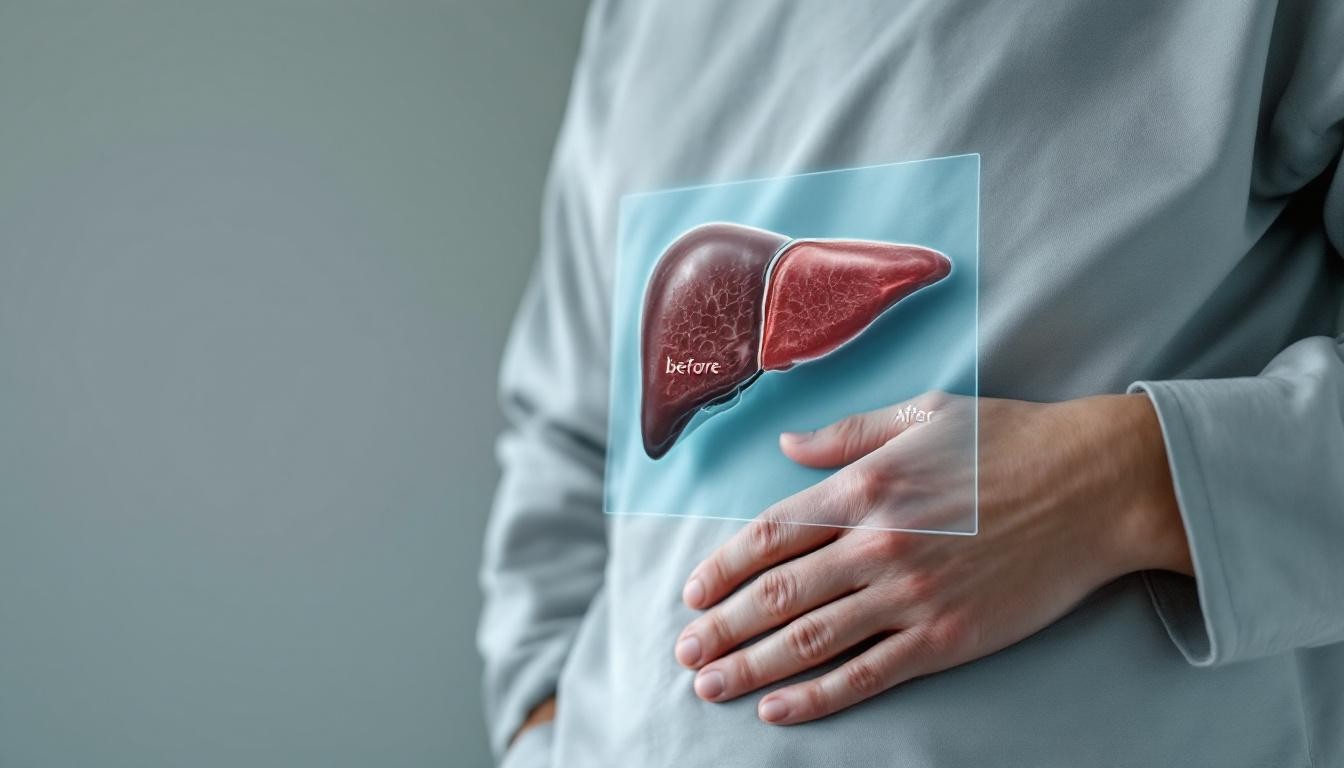
Your liver has remarkable healing power. After you stop drinking, it begins repairing itself almost immediately, with significant improvements possible within weeks and months.
At Addiction Resource Center, we’ve seen firsthand how liver recovery after quitting transforms people’s health outcomes. This guide walks you through what happens in your body, how to support healing, and what obstacles you might face along the way.
How the Liver Recovers After Stopping Alcohol Use
The First Weeks: Inflammation Drops and Enzymes Normalize
Within days of quitting alcohol, your liver stops processing the toxic byproducts of ethanol metabolism, and inflammation subsides almost immediately. According to the National Library of Medicine, liver enzymes like AST and ALT normalize within 4 to 8 weeks, with some people seeing improvement in as little as 7 to 14 days if the damage is mild to moderate. This rapid enzyme improvement marks one of the most measurable signs that your liver is healing. A 2021 review found that just two to four weeks of abstinence in heavy drinkers reduced liver inflammation and lowered those elevated liver enzymes significantly. The speed of this change depends on how much alcohol you consumed regularly-someone drinking 60 grams or more daily faces different recovery timelines than a moderate drinker who quit-but the direction remains constant: toward healing. Energy levels often spike during this phase as your liver’s metabolic function improves, a change the National Institute on Alcohol Abuse and Alcoholism has documented in people newly sober.
Fatty Liver Reversal and Structural Healing Over Months
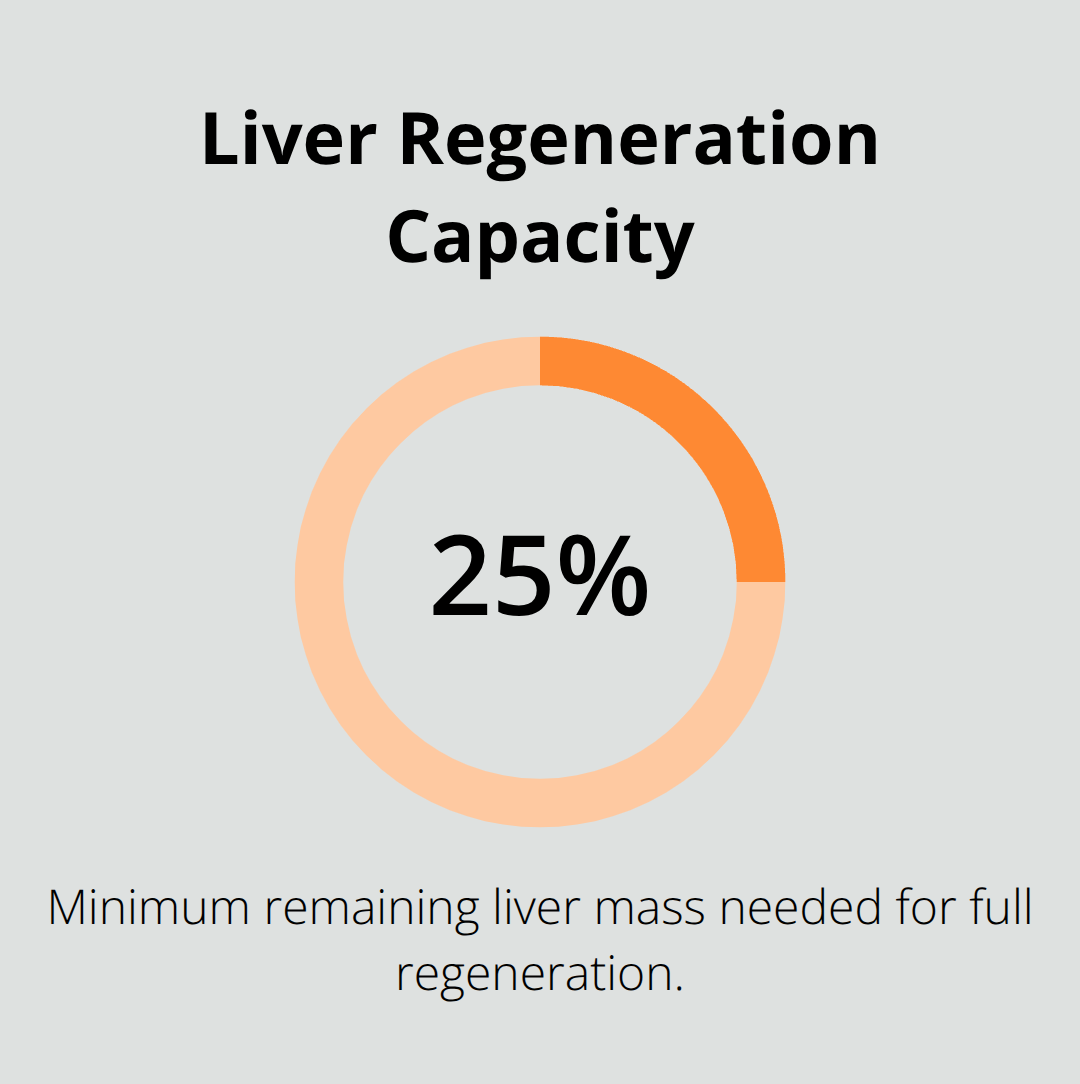
If you developed fatty liver disease from drinking, the good news stands out: abstinence reverses it completely within a longer recovery period according to scientific research. This makes fatty liver one of the most reversible forms of alcohol-related liver damage. Your liver’s regenerative capacity is extraordinary-the National Library of Medicine notes that the liver regenerates to full size from as little as 25 percent of its original mass. Over the following months, cell regeneration accelerates, digestion improves as bile production normalizes, and nutrient absorption rebounds. Jaundice clears as your liver processes bilirubin more effectively, providing a visible marker of progress.
For early-stage fibrosis, sustained abstinence reverses damage or slows progression significantly, with substantial improvements possible within 6 to 12 months. However, advanced cirrhosis with existing scar tissue remains largely irreversible, though stopping drinking prevents further damage and improves quality of life.
What Determines Your Recovery Speed
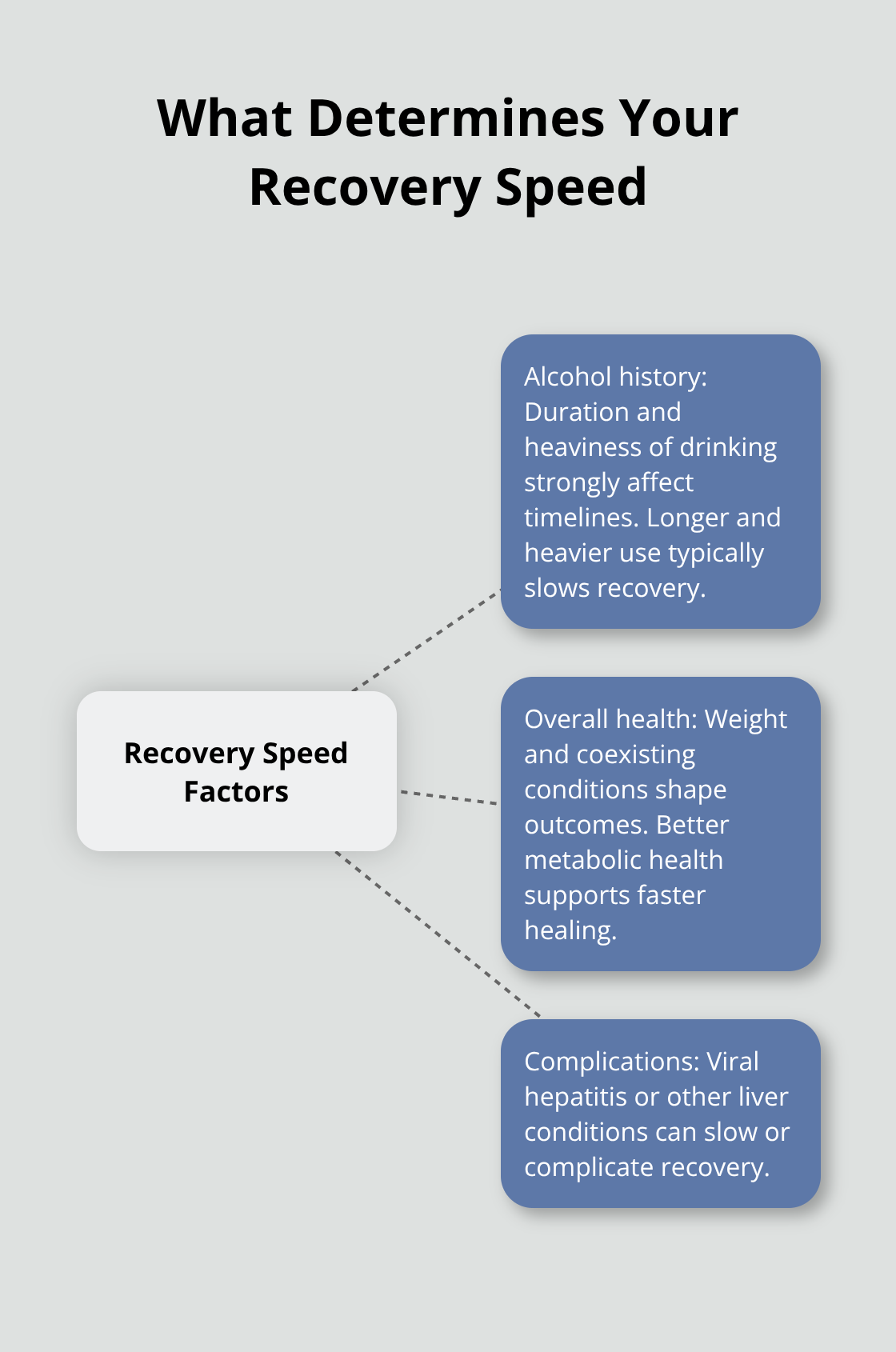
The extent and speed of your recovery depend on three key factors: how long and heavily you drank, your overall health status (including weight and other conditions), and whether you have complications like hepatitis. Someone who drank heavily for five years will likely heal faster than someone with twenty years of alcohol use, and someone at a healthy weight recovers more quickly than someone managing obesity alongside liver damage. These variables interact-a person with both advanced fibrosis and obesity faces a longer recovery path than someone with early-stage damage and good overall health.
Understanding where you stand helps you set realistic expectations and commit to the lifestyle changes that accelerate healing.
Supporting Your Liver Health During Recovery
Your liver needs specific support during recovery, and the choices you make in the weeks and months after quitting alcohol directly shape how fast you heal. Nutrition stands as your most powerful tool. The Journal of Clinical Medicine emphasizes that a Mediterranean-style diet rich in cruciferous vegetables like broccoli and cauliflower, leafy greens such as spinach and kale, berries, fatty fish like salmon, nuts, and olive oil accelerates liver function recovery in alcohol-related disease. Focus on antioxidant-rich foods that reduce oxidative stress: berries contain anthocyanins that protect liver cells, leafy greens supply glutathione which your liver uses for detoxification, and omega-3 fats from salmon reduce liver inflammation.
Nutrition That Rebuilds Your Liver
Whole grains including brown rice, quinoa, and oats provide B vitamins your liver needs for energy and cell repair. Lean proteins from fish, eggs, and legumes supply amino acids for regenerating damaged tissue. Hydration matters more than most people realize-try eight glasses of water daily to support your liver’s detoxification processes. Cut processed foods, sugary drinks, and refined carbohydrates like white bread entirely; these foods promote fatty liver buildup and insulin resistance that slows your recovery.
If you’re overweight, weight loss accelerates healing dramatically. Research shows that abstinence alone helps, but combining it with weight management produces the strongest results. Weigh yourself monthly and track the number on a calendar; this simple practice keeps you accountable and shows progress that motivates continued effort.
Physical Activity Amplifies Recovery
Walking for 30 minutes daily boosts immune function, lowers liver cancer risk, and helps maintain a healthy weight-three critical recovery factors working simultaneously. The National Institute on Alcohol Abuse and Alcoholism documents that regular moderate activity like swimming or cycling improves circulation to healing liver tissue. Exercise also reduces fatty deposits in your liver, with visible improvements often appearing within weeks of consistent activity.
Medical Monitoring Tracks Your Progress
Medical monitoring provides the roadmap for your recovery. Request baseline liver function tests measuring AST, ALT, and bilirubin levels before starting recovery, then repeat these tests every 4 to 8 weeks initially. Declining enzyme levels signal healing; stable or rising levels mean your current approach needs adjustment. Ultrasound imaging shows structural improvements like reduced fatty infiltration, giving you visual proof of progress.
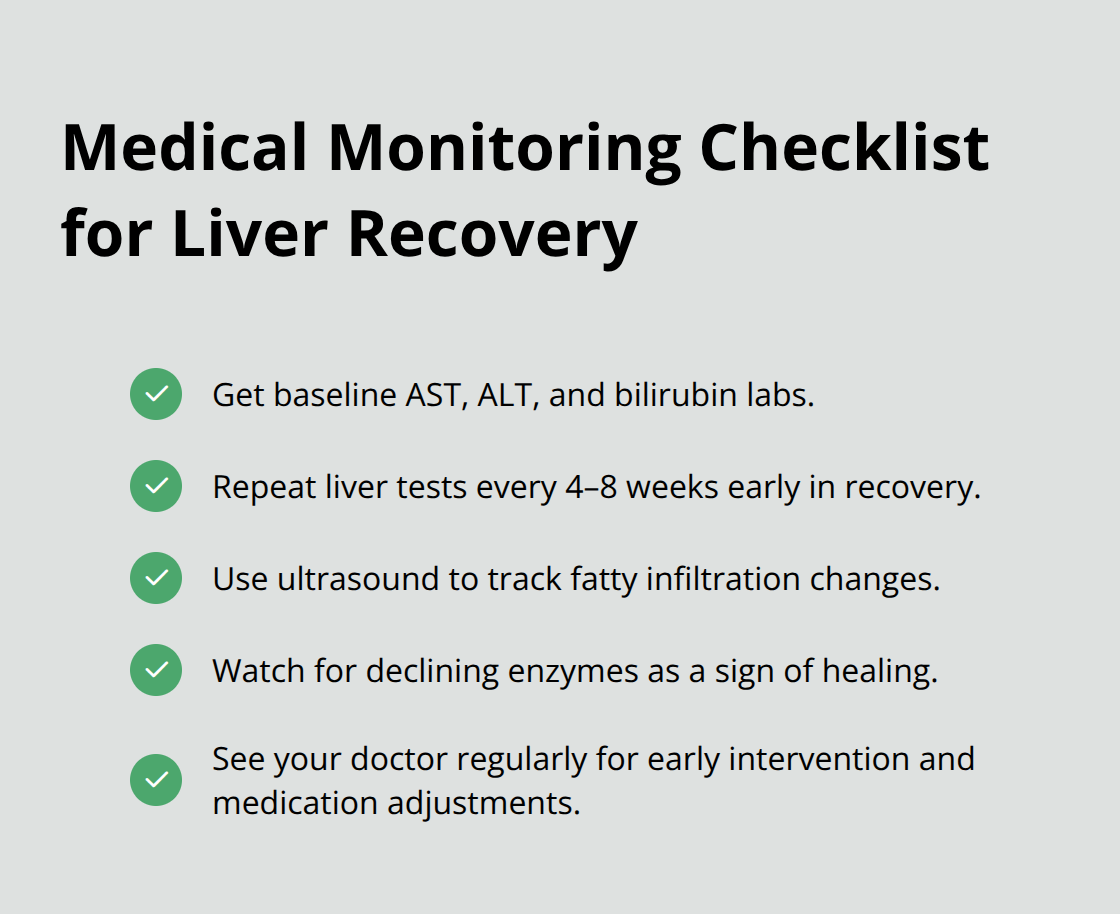
Regular checkups with your doctor catch complications early and allow medication adjustments if needed.
If you developed hepatitis B or C through alcohol use, vaccination against hepatitis B and testing for hepatitis C become immediate priorities. Avoid acetaminophen-containing medications and drug combinations that stress your liver; check every over-the-counter medication label because Tylenol appears in NyQuil, cold medicines, and pain relievers. This vigilance prevents accidental liver injury while your organ is already working hard to repair itself. As your liver stabilizes and your recovery progresses, new challenges emerge-obstacles that can derail even the most committed efforts toward sustained sobriety.
Common Obstacles to Liver Recovery
Liver recovery after quitting alcohol isn’t linear, and three specific obstacles can derail your progress if you don’t address them directly.
Permanent Damage From Years of Heavy Drinking
The damage itself stands as the first obstacle. If you drank heavily for many years, your liver may have developed cirrhosis-permanent scarring that won’t reverse no matter how long you stay sober. According to the National Library of Medicine, cirrhosis develops in 10 to 20 percent of heavy drinkers, and once scar tissue forms, it remains. This doesn’t mean recovery stops; it means your recovery looks different. You prevent further progression, improve quality of life, and stabilize liver function, but you won’t regenerate that scarred tissue.
The extent of your existing damage shapes what’s possible going forward, which is why liver imaging and enzyme tests matter enormously early on. If ultrasound shows advanced fibrosis or cirrhosis, your recovery plan shifts from hoping for reversal to preventing deterioration and managing the condition long-term. For those with milder damage like fatty liver or early fibrosis, reversal remains possible within 6 to 12 months of sustained abstinence, but you must commit fully because any alcohol consumption can trigger progression in advanced cases.
Relapse Undoes Months of Healing
Relapse poses the second and most dangerous obstacle. One drink after months of sobriety doesn’t just erase your progress-it actively damages healing tissue. If you’ve developed alcoholic hepatitis or cirrhosis, even a single drink can cause acute harm and trigger a downward spiral that undoes months of recovery work. This reality demands that you treat relapse prevention as seriously as medical treatment itself.
Weight and Metabolic Health Sabotage Recovery
Weight and metabolic health create the third obstacle. Research shows that being overweight while recovering from alcohol-related liver disease is four times more harmful than either factor alone. If you quit drinking but remain obese or develop metabolic syndrome with high blood sugar and triglycerides, your liver heals slowly or stalls entirely. Managing diabetes, high cholesterol, and excess weight through consistent diet changes and exercise becomes non-negotiable. These conditions aren’t separate from your liver recovery-they directly sabotage it.
Mental Health Complications Increase Relapse Risk
Co-occurring depression, anxiety, or chronic pain can also derail recovery because these conditions increase relapse risk and make you less likely to maintain the nutrition and exercise habits your liver needs. Address mental health alongside physical recovery through counseling or medication if needed; treating the whole person produces better outcomes than focusing only on liver function.
Moving Forward With Your Recovery
Liver recovery after quitting alcohol demands sustained commitment, but the payoff extends far beyond liver function. You heal fastest when you maintain abstinence, eat nutrient-dense foods, exercise regularly, and address mental health alongside physical recovery. The first months matter most-this is when your liver responds most dramatically to the changes you make.
Building accountability around your recovery prevents relapse and keeps you motivated when progress feels slow. Share your goals with people who support sobriety, whether that’s family, friends, or a recovery group. Track visible improvements like increased energy, clearer skin, and better digestion-these signs prove your liver is healing even when lab work doesn’t show dramatic changes yet.
We at Addiction Resource Center understand that recovery involves more than stopping drinking. Our team provides personalized addiction therapy, substance abuse counseling, and mental health support designed to address the whole person, not just the addiction. Contact Addiction Resource Center to explore outpatient treatment programs tailored to your specific needs, helping you build the foundation for sustained recovery.