Discover how family therapy for addiction recovery strengthens relationships and supports lasting sobriety with proven therapeutic techniques.


Addiction doesn’t just affect the person struggling with substance use-it tears through entire families. When one family member battles addiction, everyone feels the impact through broken trust, poor communication, and unresolved pain.
Family therapy for addiction recovery addresses these wounds directly. At Addiction Resource Center, we’ve seen how involving loved ones in treatment creates stronger, more lasting recovery outcomes than going it alone.
How Family Dynamics Fuel Addiction
Family systems either accelerate or slow addiction’s grip. When someone develops a substance use disorder, the family’s response often determines whether recovery takes root or addiction deepens. Over 100 million family members worldwide are affected by a relative’s addiction, according to research on global addiction burden. The patterns that families fall into-whether protective or destructive-shape treatment outcomes more than most people realize.
Enabling and Codependency Trap Families
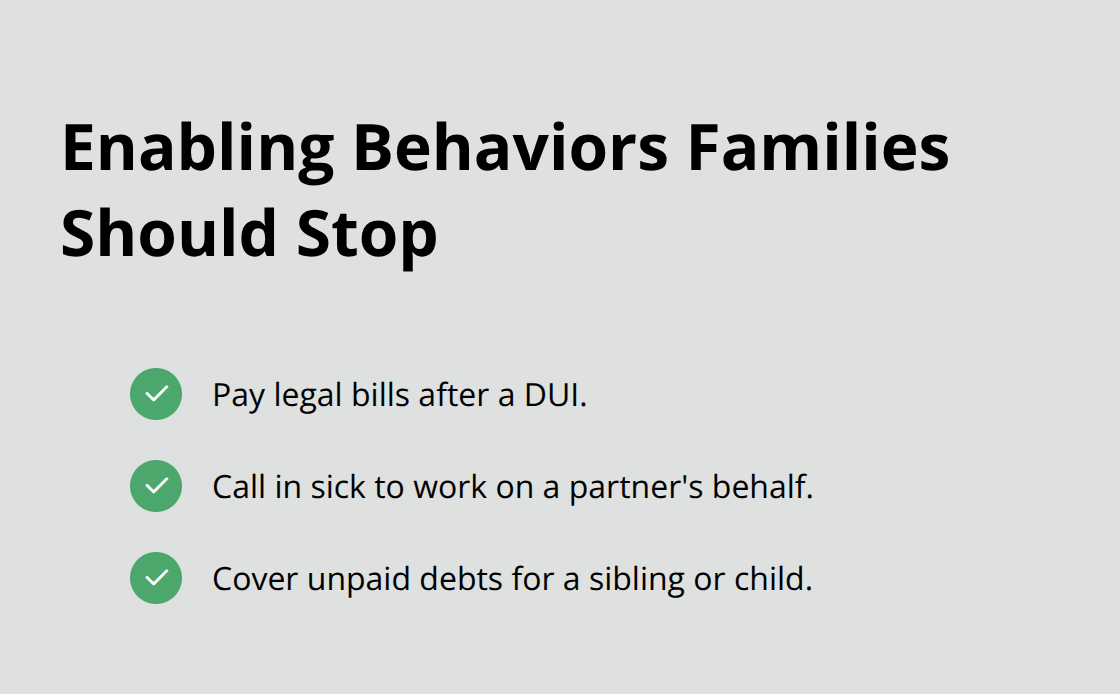
Enabling happens when family members unintentionally shield the person with addiction from natural consequences. A parent pays legal bills after a DUI, a spouse calls in sick to work on behalf of their partner, a sibling covers unpaid debts. These actions feel compassionate in the moment, but they remove the friction that might otherwise push someone toward treatment. Research from SAMHSA shows that people with family support are more likely to stay in treatment and reduce substance misuse, but this support must be healthy support.
Codependency develops when family members organize their lives around managing the addiction-monitoring behavior, making excuses, or sacrificing their own wellbeing to prevent the next crisis. This pattern exhausts families and prolongs addiction. The family member becomes hypervigilant, anxious, and emotionally depleted while the person with addiction faces no real pressure to change.
Communication Patterns That Worsen Addiction
Families dealing with addiction typically develop communication styles that intensify conflict rather than resolve it. Arguments escalate quickly, conversations stay surface-level, and honest dialogue about the addiction itself gets avoided. Family members either withdraw into silence or engage in constant criticism and blame. Neither approach works. Research on family-based interventions shows that when families learn to communicate differently-stating concerns without attacking, listening without defending-substance use frequency drops measurably. One meta-analysis by Ariss and Fairbairn found that family-based treatment reduces substance use, with effects persisting 12 to 18 months after treatment ends. This improvement stems largely from families shifting how they talk to one another.
Unresolved Trauma as a Foundation for Addiction
Many families harbor unprocessed trauma-childhood abuse, neglect, loss, or violence-that family members have never addressed together. When trauma remains unspoken, family members often self-medicate with substances to manage the emotional weight. A parent with untreated PTSD may struggle to set boundaries with an adult child, enabling their addiction. A sibling with depression might use alcohol to numb grief. Family therapy that names and processes these underlying wounds allows the entire system to heal. SAMHSA’s research emphasizes that addiction services must address the biopsychosocial effects of addiction on families, meaning therapists help families understand how past pain connects to present substance use. This context shifts blame into compassion, which paradoxically makes families more effective at supporting recovery because they stop seeing addiction as a moral failure and start seeing it as a symptom of deeper family pain that treatment can address.
These destructive family patterns-enabling, poor communication, and unresolved trauma-create the conditions where addiction thrives. Understanding these dynamics sets the stage for the next critical step: how family therapy directly repairs these patterns and rebuilds the foundation for lasting recovery.
The Mechanisms Behind Family Therapy’s Success
Family therapy works because it targets the specific patterns that enable addiction to persist. Behavioral Couples Therapy, one of the most studied approaches, uses a Recovery Contract where partners commit to abstinence while simultaneously building better communication and reducing stress. The therapy typically runs 12 to 20 weekly sessions and consistently strengthens both abstinence rates and relationship satisfaction.
Tailored Approaches for Different Family Structures
For families with adolescents, Multidimensional Family Therapy proves effective, targeting multiple domains over 16 to 25 sessions: the teenager’s skills, parenting approaches, overall family functioning, and the social or community context where the teen lives. Randomized trials show this method produces meaningful reductions in drug use while simultaneously improving how the family operates together. Brief Structural Family Therapy takes a different angle by focusing on family interactions themselves, using techniques like boundary management and detriangulation to shift unhealthy relationship patterns. Functional Family Therapy and Community Reinforcement and Family Training both teach families to reinforce positive behaviors through genuine connection rather than surveillance. The evidence supporting these approaches is not theoretical-families that engage in structured therapy see measurable drops in substance use frequency that persist well beyond treatment completion.

Rebuilding Trust Through Structured Interaction
Trust rebuilds through consistent, structured interaction rather than grand gestures or promises. Family members learn to stop monitoring and controlling the person in recovery, which paradoxically strengthens accountability. Instead of a spouse tracking phone location or a parent demanding daily check-ins, families develop clear expectations and allow natural consequences to operate. The practical reality: families that complete therapy sessions show higher treatment retention rates and lower dropout, with research indicating that treatment completion strongly associates with better long-term outcomes.
Creating a Supportive Home Environment
A supportive home environment means removing triggers where possible-not stocking alcohol, not discussing substance use casually, not maintaining friendships centered on partying-but it also means the family stops treating the person in recovery as fragile or permanently broken. After treatment ends, families that have worked through therapy continue this support through structured aftercare planning, which includes identifying specific warning signs of relapse, assigning who contacts whom if those signs appear, and establishing self-care routines so family members don’t burn out. Making it both more effective and more economical, family therapy remains accessible for most families managing addiction recovery.
These structured interventions create measurable change, but their success depends on families understanding how to actually implement them at home. The next section walks through the concrete steps families take to move from therapy sessions into daily practice.
How to Get Family Members Actively Involved in Recovery
Families often wait passively for treatment to happen, sitting in waiting rooms without understanding their actual role in recovery. This approach wastes the family’s power to accelerate healing. The shift from bystander to active participant requires three concrete actions: establishing boundaries that protect recovery, integrating family voices into treatment decisions, and building an aftercare structure that keeps family support going after formal therapy ends.
Setting Boundaries That Actually Work
Healthy boundaries start with stopping behaviors that inadvertently support addiction. If a family member has called employers to excuse absences, made loan payments to cover debts, or allowed the person in recovery to avoid consequences, these patterns must stop immediately. The discomfort families feel when withdrawing this protection is temporary and necessary. Research on Behavioral Couples Therapy shows that couples report higher satisfaction and improvements in relationship and family functioning when partners establish clear expectations around abstinence and stop engaging in rescue behaviors. Boundaries also mean defining what communication looks like during high-stress moments. Many families benefit from establishing a rule that serious conversations about recovery happen only when everyone is calm and in a scheduled setting, not during heated arguments. One family member writes down three specific behaviors they will stop this week, shares this with the therapist, and reports back on whether they followed through. This accountability prevents boundaries from remaining abstract promises.
Making Family Involvement Concrete in Treatment
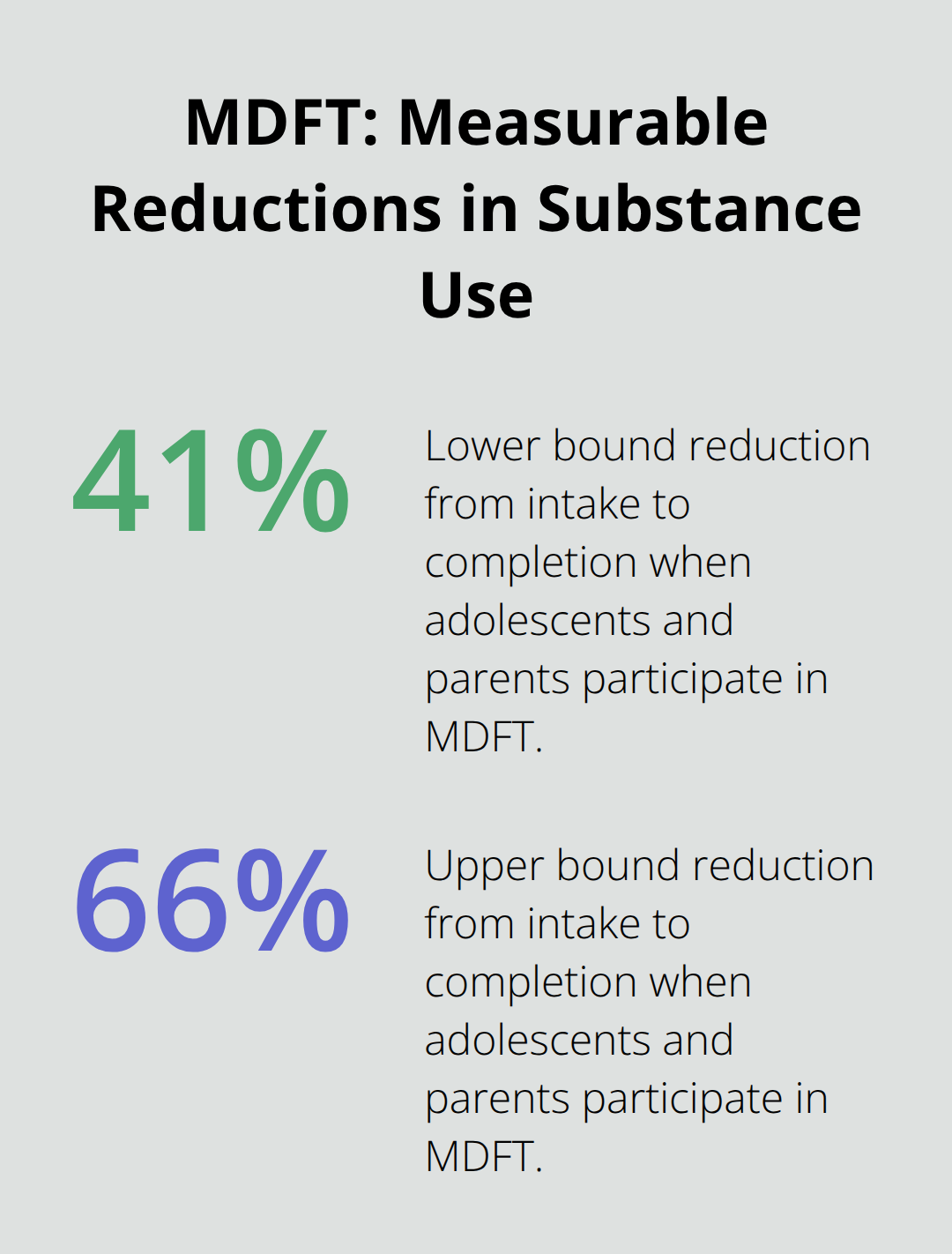
Families strengthen recovery when they attend sessions and contribute information that therapists need. A parent or spouse observes patterns the person in recovery might minimize or forget. They know what relapse warning signs look like, what triggers exist at home, and what communication styles actually work with this specific person. Treatment planning meetings should explicitly ask family members what goals matter most to them for the family’s future. When a spouse states that they want to rebuild date nights or a parent says they want to stop feeling anxious about their adult child’s whereabouts, these desires become part of the recovery plan. Studies on Multidimensional Family Therapy show that drug and alcohol use reduces between 41% and 66% from intake to completion when adolescents and parents both participate in sessions targeting parenting, family functioning, and the teen’s skills. For families with adult members in recovery, the principle remains the same: involvement from the start produces better outcomes.
Families should ask their treatment provider whether they offer telehealth options if transportation or scheduling creates barriers, as remote sessions expand participation possibilities.
Building Aftercare That Includes the Family
Recovery support continues long after formal treatment ends, and families must know their specific role in this phase. An effective aftercare plan names concrete actions each family member takes. One family member might commit to attending a support group like Al-Anon or Nar-Anon, which research shows provides education and coping strategies that reduce isolation among family members. Another might schedule monthly check-in calls to discuss how recovery is progressing and address emerging concerns before they escalate. The aftercare plan should identify three to five specific warning signs of relapse that the family watches for and state exactly who contacts whom if those signs appear. Increased isolation, returning to old social circles, or sudden mood changes warrant a call to the therapist or a structured family conversation. Families with written plans and clear communication protocols maintain better long-term outcomes than families relying on informal support. Families should also build self-care routines into aftercare so that caregivers do not burn out. One parent commits to a weekly activity that has nothing to do with recovery; one spouse schedules quarterly therapy sessions for themselves to process their own stress. These practices acknowledge that family members’ wellbeing directly affects their ability to support the person in recovery.
The Foundation of Long-Term Sobriety through Family Support
Family involvement in addiction recovery is not optional-it is foundational. The research is clear: people with active family support stay in treatment longer, reduce substance use more significantly, and maintain sobriety at higher rates than those recovering alone. When families shift from enabling patterns to healthy support, they create the conditions where lasting recovery takes root.
Starting family therapy for addiction recovery requires one concrete step: talking honestly with a treatment provider about what your family needs. Some families benefit from couples therapy focused on rebuilding trust and communication, while others need help with parenting skills or managing adolescent substance use. The specific approach matters less than beginning the process, and we at Addiction Resource Center understand that addiction affects the entire family system, not just the individual struggling with substance use. Our compassionate team offers personalized addiction therapy and substance abuse counseling designed to address both individual recovery and family healing, and our addiction recovery center in Yuba City can help you develop a treatment plan that includes family-focused interventions tailored to your specific situation.
Beyond formal therapy, family recovery support groups like Al-Anon and Nar-Anon provide ongoing education and connection with others navigating similar challenges. These groups reduce the isolation family members often feel and reinforce the coping skills learned in therapy. Many families find that combining professional treatment with peer support creates the strongest foundation for long-term recovery.