You're probably here because a group in recovery wants something tangible. Maybe it's for a graduation, a sober anniversary, a walk, a peer support group, or a staff team that wants to show up with more unity and less clinical distance. The hard part isn't finding a T-shirt printer. It's making sure the shirt helps …

You're probably here because a group in recovery wants something tangible. Maybe it's for a graduation, a sober anniversary, a walk, a peer support group, or a staff team that wants to show up with more unity and less clinical distance. The hard part isn't finding a T-shirt printer. It's making sure the shirt helps the people wearing it.
That's where many well-meant projects go sideways. A shirt that feels encouraging to one person can feel exposing to another. A bold slogan can build pride in one setting and create risk in another. Good addiction recovery shirts don't just look decent on a mockup. They respect privacy, avoid stigma, fit real bodies, and work inside the daily reality of recovery.
Table of Contents
- More Than a Shirt The Power of a Shared Symbol
- Defining Your Mission and Core Message
- Designing with Sensitivity and Inclusivity
- Choosing the Right Materials and Print Method
- Finding a Vendor and Managing Your Order
- Budgeting Fundraising and Legal Guardrails
- Distribution Integration and Building Community
More Than a Shirt The Power of a Shared Symbol
A recovery shirt can do several jobs at once. It can mark effort, signal belonging, reduce isolation, and give someone a visible reminder of progress on a hard day. That's why the best projects start by treating the shirt as part of recovery culture, not just event merchandise.
When a group gets this right, the shirt becomes a shared symbol. Staff wear it alongside participants. Alumni wear it months later. Family members buy one because they want to support, not because they want a souvenir. That shared use matters. It tells people they're part of something larger than a single meeting, discharge date, or milestone chip.
There's also a practical side. Clothing is one of the few recovery support tools that people can carry into ordinary life without scheduling anything. No appointment needed. No app login. No explanation required, unless the wearer wants one.
Practical rule: If the shirt only works on event day, it's weak. If someone would choose to wear it three months later to the grocery store, a support meeting, or a casual weekend outing, the design is doing its job.
Strong addiction recovery shirts usually have four qualities:
- They feel safe to wear: The message doesn't force disclosure.
- They fit the community: The tone matches the program, group, or event.
- They're physically comfortable: Scratchy blanks and stiff prints get left in drawers.
- They carry meaning without preaching: People respond better to sincerity than slogans that sound copied.
A shirt won't do clinical work. It won't replace treatment, peer support, medication, therapy, or relapse prevention planning. But it can reinforce those things. In practice, that's the sweet spot. The shirt isn't the intervention. It's the object that helps people remember the intervention, the people around them, and the identity they're building.
Defining Your Mission and Core Message
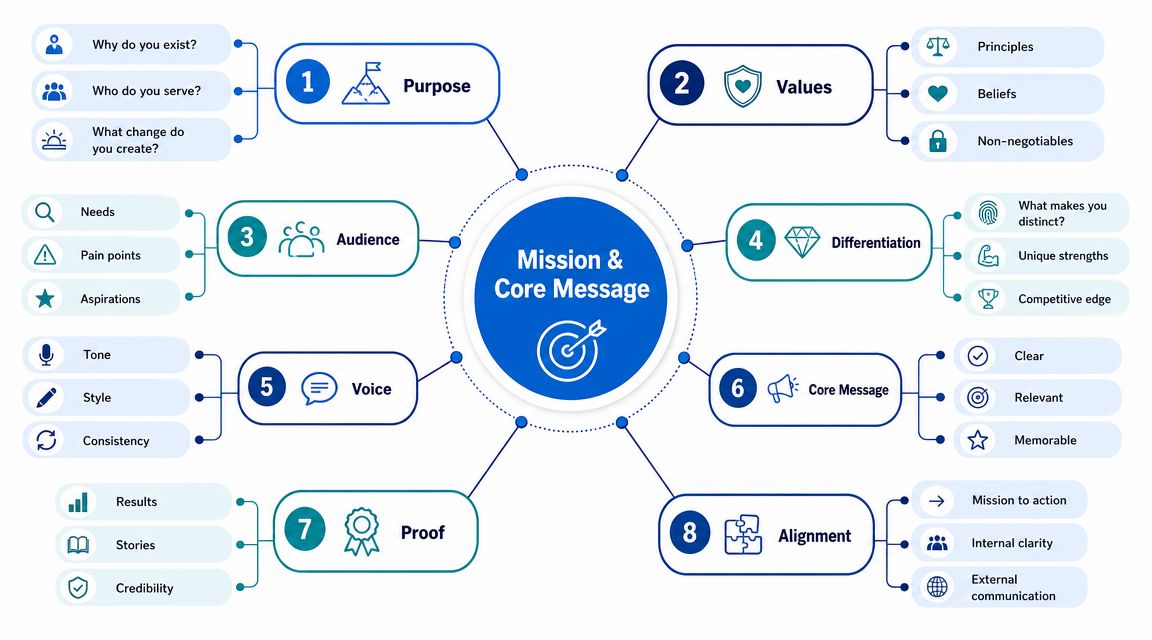
Programs get into trouble when they start with colors, fonts, or slogans before answering one basic question. What is this shirt supposed to do?
If that sounds obvious, it isn't. I've seen projects fail because one group thought the shirt was for public awareness while another thought it was for private milestone recognition. Those are different products, even if they use the same words.
Start with the use case
Before anyone opens Canva or Adobe Illustrator, decide which of these categories fits your project:
- Graduation or completion shirts: Best for residential, outpatient, IOP, or peer-led program milestones.
- Anniversary shirts: Better for celebrating a sobriety date or long-term recovery marker.
- Staff and ally shirts: Useful when the goal is solidarity without centering a participant's disclosure.
- Event shirts: Good for walks, awareness days, fundraisers, or volunteer teams.
- Ongoing community shirts: Best when you want alumni, peers, and supporters to keep wearing them over time.
The mission matters because recovery isn't a tiny niche. An estimated 29.3 million U.S. adults have resolved a significant substance use problem, and early recovery relapse is estimated at 40% to 60%, dropping to less than 15% after five years of continuous sobriety, according to recovery data summarized by Recreate Ohio. That makes milestone-based apparel more than decorative. It can reinforce long-term identity and persistence.
Choose a message people can live with
Once the use case is clear, narrow your core message to one lane. Not five.
A shirt usually works best when it emphasizes one of these themes:
- Hope: Forward-looking, calm, believable language.
- Resilience: Effort, return, endurance, getting back up.
- Belonging: Community, fellowship, support, connection.
- Progress: Day by day, one step at a time, still becoming.
- Dignity: Worth, humanity, healing, self-respect.
What usually doesn't work is trying to cram every recovery concept into one design. A shirt overloaded with slogans, ribbons, dates, symbols, and sponsor names rarely feels personal. It feels like a flyer printed on cotton.
Keep the message short enough that a wearer doesn't have to “perform recovery” to justify having it on.
Original wording matters too. Clichés can flatten real experience. If your team wants to expand the project into a broader apparel line, the operational side of launching your own clothing brand can help you think through naming, positioning, and repeatable production. Even for a small recovery program, that discipline is useful.
A good test is simple. Read the phrase out loud and ask, “Would someone in early recovery wear this on a hard week?” If the answer is no, change it before you print a single unit.
Designing with Sensitivity and Inclusivity
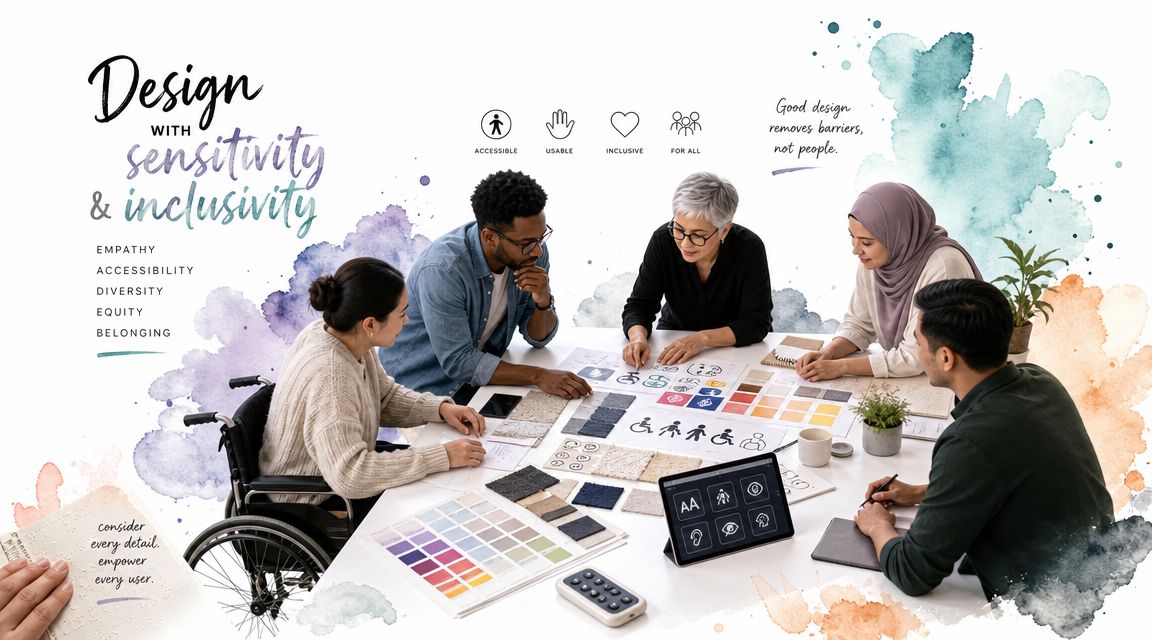
The safest design choice is rarely the loudest one. That matters because many people in recovery are balancing healing with employment, family strain, housing instability, custody concerns, or social environments where disclosure feels risky.
Privacy is a design requirement
A lot of recovery apparel content pushes “wear it proudly” messaging. That can help some people, but it doesn't fit everyone. As noted in Doing It Sober's discussion of sober fashion and discretion, stigma remains a major barrier, and visible branding can be risky in workplaces, family settings, and public spaces. A balanced approach is more supportive.
In practice, that means offering at least two versions when possible:
- Overt design: Clear recovery language for people who want visible identification.
- Subtle design: Minimal text, symbolic art, or an inside reference that only the wearer or group understands.
That choice gives people control. Control is part of psychological safety.
A subtle shirt might use a small chest emblem, a date motif, a mountain line, a sunrise, a circle, or a phrase that signals strength without naming addiction directly. An overt shirt might say “Recovery Community,” “Sober and Present,” or “One Day at a Time,” if your group connects with that language.
Trauma-informed language works better
Some phrases create heat without creating safety. I'd avoid messaging built around war, combat, destruction, or shame. “Battle addiction,” “fight your demons,” and “clean from the wreckage” may sound intense, but they can also feel blaming, exhausting, or triggering.
Healing-centered language tends to wear better over time. Examples include:
- Steady not perfect
- Still here still growing
- Recovery is practice
- Rooted in hope
- Forward with support
Notice what these have in common. They don't demand perfection. They don't frame relapse history as moral failure. They leave room for complexity.
A shirt should never force someone to choose between honesty and belonging.
Design details matter too. Avoid graphics that mimic pills, syringes, alcohol bottles, handcuffs, or before-and-after “rock bottom” imagery. Some groups think those visuals feel honest. In reality, they often pull attention back to substance use rather than recovery.
Build for many recovery pathways
Inclusive recovery apparel has to respect different paths. Some people are in mutual support groups. Some are in outpatient care. Some are in residential treatment. Some use medication-assisted treatment. Some prefer the term sobriety. Others prefer recovery, healing, or wellness.
Your shirt doesn't need to name every pathway, but it shouldn't erase them either.
A few practical design choices help:
- Use gender-neutral fits and language: Don't split designs into “men's recovery” and “women's recovery” unless there's a clear program need.
- Offer a broad size range: People notice when sizing stops short.
- Avoid purity language: Terms that imply one “right” recovery path can alienate people who are working hard in evidence-based care.
- Skip insider jargon: If only long-time members understand the shirt, newcomers may feel excluded.
There's also a technical reason to tailor messaging. Recovery outcomes vary by substance and pathway, and one treatment dataset reported around 41% one-year abstinence for alcohol use disorder compared with about 29% to 31% for fentanyl, methamphetamine, cocaine, or heroin cohorts. The same source notes a median of 2 serious recovery attempts among people who eventually resolve a substance use problem, according to Vista Research Group's summary of recovery rates by drug. That's one reason broad, non-shaming language works better than one-time victory messaging. Recovery often involves repeated effort across different stages of care.
If your shirt says “I beat it,” many people won't wear it. If it says “Keep going,” more people will.
Choosing the Right Materials and Print Method
Even the best message fails if the shirt feels awful. People know the difference between a giveaway tee and something they'll actually wear. In recovery settings, comfort matters more than trendiness because the goal is repeated use, not one photo.
Fabric choices change the experience
Fabric isn't just a budget line. It changes drape, softness, breathability, and how the print sits on the body.
Here's the practical version:
- 100% cotton: Soft, familiar, and easy to wear. It's a strong choice for simple designs and everyday comfort, though it may shrink more depending on the blank.
- Polyester blends: Usually hold shape well and can feel lighter. Useful for active events or warmer settings, but some people dislike the synthetic feel.
- Tri-blends: Often the softest option. They usually feel more retail-ready and less like a promo shirt, though they can cost more.
Fit matters just as much as fabric. If the body is boxy, sleeves are tight, or length is awkward, people won't wear it no matter how meaningful the message is. Ask your printer for exact garment specs. Better yet, order sample blanks in a few cuts before committing.
Printing Method Comparison
Different print methods solve different problems. Don't ask one method to do a job it isn't suited for.
| Method | Best For | Cost (per shirt) | Durability |
|---|---|---|---|
| Screen printing | Larger runs with simple art and limited colors | Usually lower at higher quantities, but setup-heavy for small runs | Strong for repeated wear when done well |
| Direct-to-Garment | Detailed artwork, softer hand feel, smaller mixed orders | Usually better for lower quantities, especially with many colors | Good, though it depends on garment and wash care |
| Heat transfer vinyl | Names, small custom batches, one-off personalization | Often workable for very small runs, but can rise with labor | Can hold up well, though thicker feel may bother some wearers |
If you want a deeper production primer before talking to vendors, Custom Mark's custom apparel guide gives a useful overview of how print methods differ in feel and use case.
A few decision rules help:
- Choose screen printing when your design is bold, simple, and ordered in bulk.
- Choose Direct-to-Garment when the art is detailed or the order needs flexibility.
- Choose heat transfer vinyl when personalization matters more than speed.
The “best” print method is the one that matches your order size, artwork style, and how often people will actually wear the shirt.
One more point that programs often miss: dark shirts with large, heavy front prints can feel hot and stiff. For many recovery groups, a lighter-touch design on a comfortable blank gets more real-world use than a dramatic graphic across the full chest.
Finding a Vendor and Managing Your Order
A good vendor doesn't just print what you send. They catch problems before they become boxes of unusable shirts. That's why choosing the printer deserves more attention than most groups give it.
How to vet a printer
Local shops and national online providers each have strengths. A local printer may give better communication, easier sample review, and quicker problem-solving. An online service may offer easier reordering, broader garment catalogs, or print-on-demand options.
If your group is deciding between bulk production and on-demand fulfillment, FLYP LTD's enterprise POD guide is a useful starting point for understanding how those models differ operationally.
Use a short vetting checklist before placing any order:
- Review real work: Ask for photos of recent shirts with similar print size and garment color.
- Check communication quality: If a vendor is vague before the order, they'll usually be vague after payment too.
- Ask about turnaround: You need both production time and shipping time, not just one.
- Request garment options: A printer with only one basic blank may not fit your group well.
- Discuss reorders: Recovery programs often need small follow-up orders for new participants or missed sizes.
How to avoid preventable mistakes
Most shirt disasters happen before printing starts. They come from unclear files, rushed approvals, and bad assumptions.
Here's the order flow that saves the most headaches:
- Finalize the message first. Don't tweak copy after art approval.
- Submit clean artwork. Vector files are best for logos and type. High-resolution raster files can work for image-based designs.
- Ask for a digital proof. Read every word. Check placement, size, color, and spelling.
- Confirm garment details in writing. Brand, color name, size breakdown, and print locations should all appear on the order.
- Approve one final version. Too many decision-makers create version confusion.
Plain communication helps. Instead of saying “make the logo a little bigger,” say “increase the front chest graphic by one inch and center it between the seams.” Printers can work with specifics.
A smart move for recovery programs is to keep a simple internal order sheet with approved artwork, garment choice, color codes, vendor contact, and reorder notes. When staff changes, the shirt project won't have to start from zero.
Budgeting Fundraising and Legal Guardrails
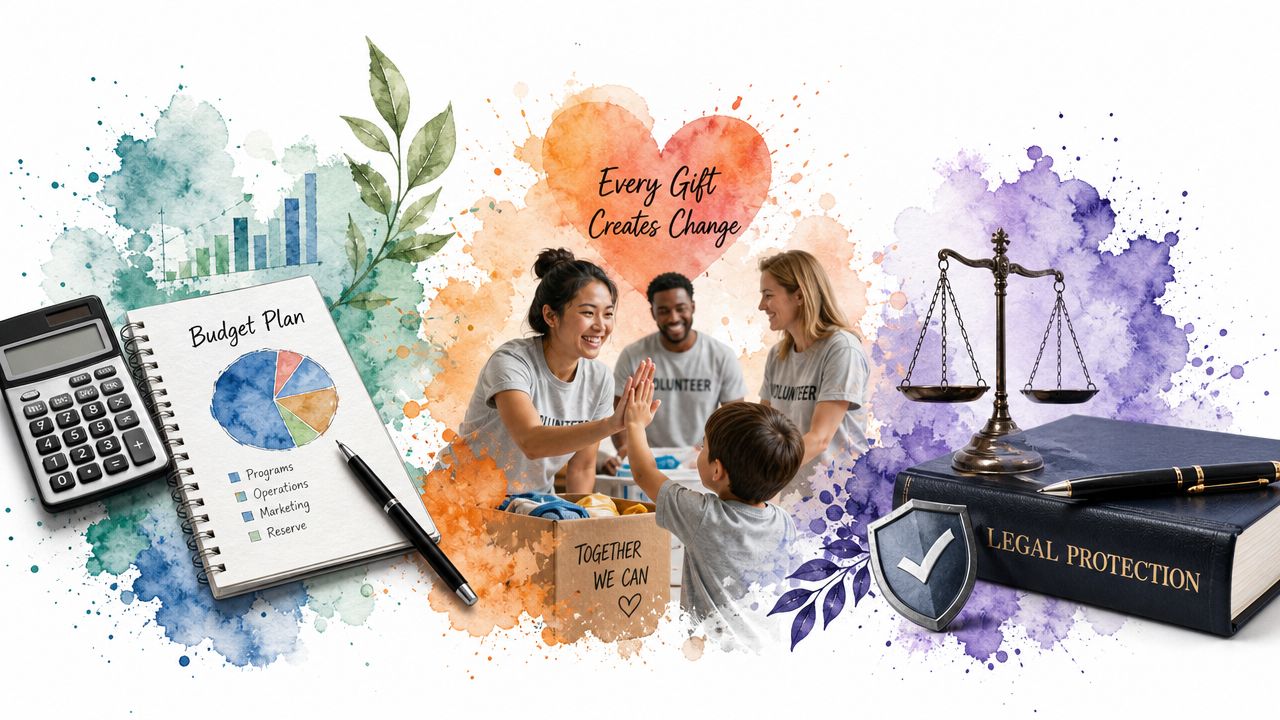
A shirt project can support a program financially, but only if the numbers are handled clearly and the artwork is legally clean. In such cases, good intentions necessitate discipline.
Budget the full order not just the blank shirt
Many groups underestimate costs because they focus only on the shirt itself. The true unit cost usually includes more than the garment and ink.
Build your budget from these categories:
- Garment cost: The blank shirt itself.
- Print cost: Based on method, colors, print locations, and complexity.
- Setup or art prep: Often applies to screen printing or file cleanup.
- Shipping or delivery: Especially important for national vendors.
- Sales tax or related charges: Depends on your setup and location.
- Spare units and size overruns: You'll almost always need extras.
The practical move is to calculate your real cost per wearable shirt, not per ordered shirt. If several units end up in the wrong sizes or stay unsold, your effective cost changes.
Fundraising without creating confusion
Recovery apparel can be given away, sold at cost, or used as a fundraiser. Each model sends a different message.
A few common approaches work well:
- Program-issued shirts: Best for completion milestones, peer teams, or volunteer roles.
- At-cost sales: Good when the goal is access and community visibility.
- Cost-plus fundraising: Useful when proceeds support aftercare activities, scholarships, or event costs.
- Suggested donation model: Works well in community settings where you want flexibility without excluding people.
Be clear about what the purchase means. People should know whether they're buying a shirt, supporting a cause, or both.
If the fundraising message is fuzzy, trust drops fast. Say exactly where proceeds go and keep the explanation short.
Protect the project legally
Copyright and trademark mistakes are common in recovery apparel because groups assume a quote on the internet is “public” or a well-known recovery logo is fair to use. It usually isn't.
Three guardrails matter:
- Create original artwork: This is the cleanest route.
- Use licensed assets: If you buy graphics, verify the license covers merchandise.
- Avoid organization logos or branded phrases without permission: That includes recovery fellowships, event marks, and outside program names.
Be careful with inspirational quotes too. Even if a phrase is popular, the exact wording or design treatment may still be protected. When in doubt, rewrite it in your own language or hire a designer to build something original.
A legally safe shirt is usually a better shirt anyway. It sounds more like your community and less like borrowed identity.
Distribution Integration and Building Community
A recovery shirt matters most when it shows up at the right moment. Handing out boxes at random won't create meaning by itself. Pairing the shirt with a milestone, ritual, or act of recognition gives it weight.
Use the shirt at meaningful moments
The strongest distribution moments are usually simple and personal:
- Welcome points: A first-week gift for new participants, if the design is subtle enough.
- Program milestones: Completion of detox, residential, outpatient phases, or peer leadership training.
- Anniversary recognition: A shirt that marks time in recovery without turning it into a contest.
- Community events: Walks, volunteer days, family events, or alumni gatherings.
- Staff and peer alignment: Shared shirts can reduce the visual divide between “helpers” and “clients” when used thoughtfully.
The broader need is clear. In 2024, an estimated 21.2 million adults had both a mental health disorder and a substance use disorder, according to American Addiction Centers' addiction statistics and demographics overview. For people managing both, apparel can function as identity affirmation beyond clinical settings.
Make the shirt part of care not the whole story
The best use of addiction recovery shirts is as a support object inside a larger framework. Tie them to peer mentoring, reflection, graduation ceremonies, sober events, alumni groups, or aftercare check-ins. That turns the shirt from merchandise into reinforcement.
A few things help in practice:
- Let people opt in: Never pressure someone to wear recovery-branded clothing.
- Offer discreet alternatives: A shirt, hoodie, tote, or cap can meet different comfort levels.
- Connect it to meaning: Include a short card, note, or presentation moment when the item is given.
- Make reordering easy: Community grows when people can replace a worn favorite or buy one for support.
The shirt itself is simple. The care behind it is what people remember.
If you or someone you love needs substance use treatment, Addiction Resource Center LLC offers compassionate, confidential support for detox, residential rehab through its partner facility, MAT, and Intensive Outpatient care in person and via telehealth. The team serves adults and families in Yuba City and Northern California with individualized treatment, co-occurring mental health support, and practical aftercare planning. Reaching out can be the first steady step.