Explore outpatient addiction treatment options tailored to your recovery journey. Find flexible programs that work with your lifestyle and schedule.

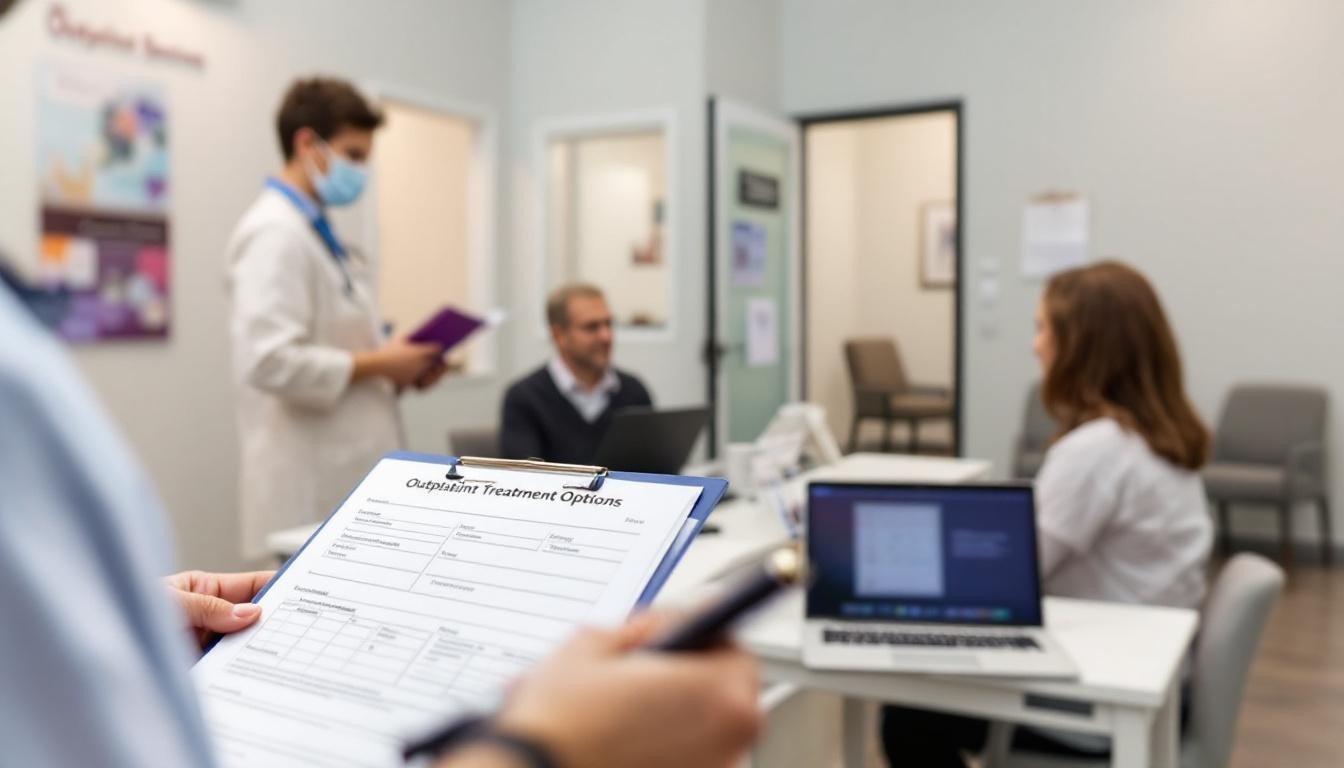
Addiction doesn’t follow a one-size-fits-all recovery path, and neither should your treatment. Outpatient addiction treatment options give you flexibility to heal while maintaining your daily responsibilities, whether that’s work, school, or family commitments.
At Addiction Resource Center, we’ve seen firsthand how the right outpatient program can transform lives. This guide walks you through the programs, therapies, and practical steps to find the treatment that fits your situation.
Your Outpatient Treatment Options
Intensive Outpatient Programs: Structure That Works
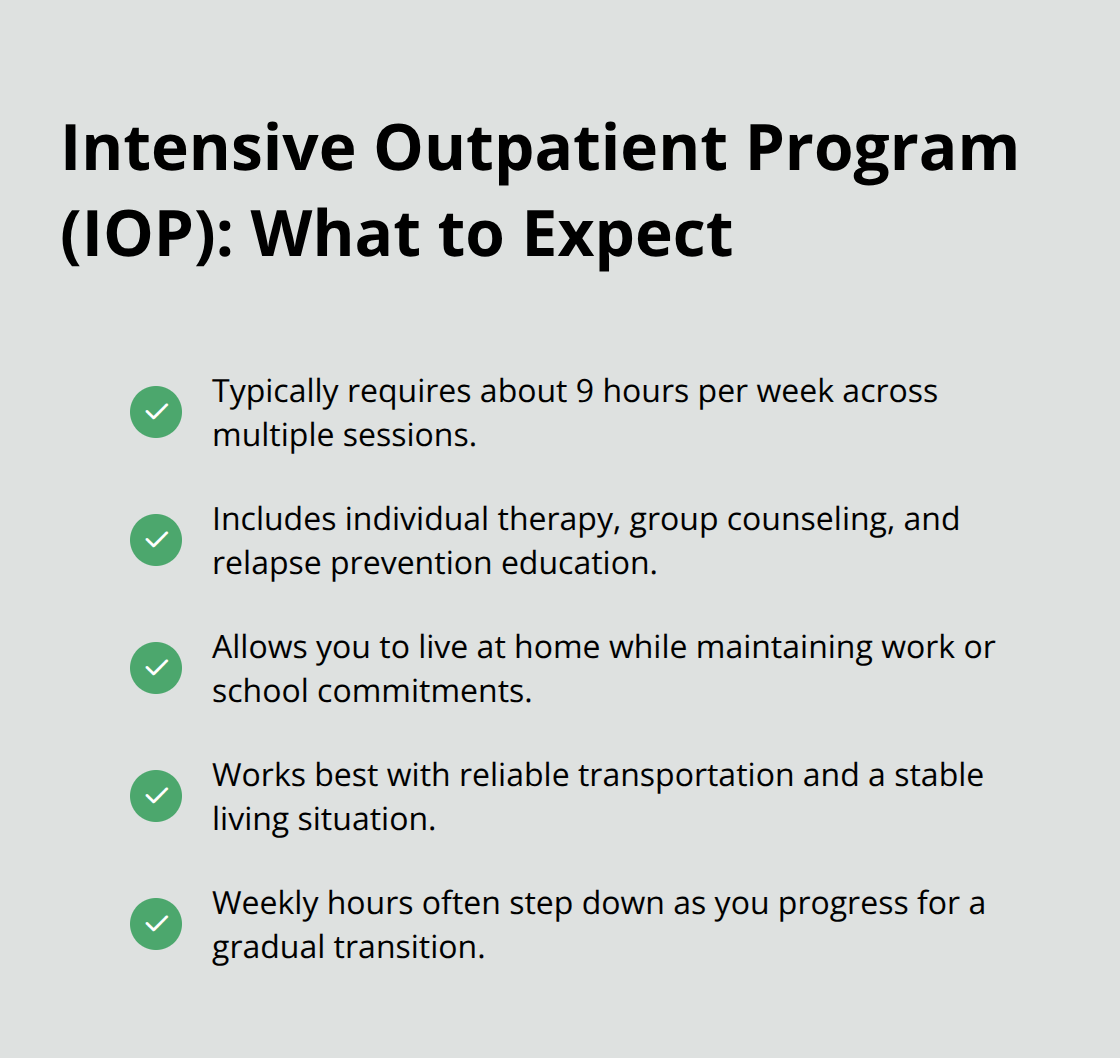
Intensive Outpatient Programs demand serious commitment but deliver serious results. An IOP typically requires 9 hours per week spread across multiple sessions, making it the right choice if you need structure without round-the-clock supervision. You’ll attend individual therapy, group counseling, and relapse prevention education while living at home and maintaining work or school. Research found that facilities offering comprehensive services across medical, behavioral health, social support, and care coordination show measurably better outcomes. IOPs work best when you have reliable transportation, a stable living situation, and genuine motivation to show up consistently. The time investment is real, but so is the flexibility-as you progress, many programs reduce your weekly hours, allowing you to step down gradually rather than face an abrupt transition back to independence.
Standard Outpatient Programs for Flexibility
Standard outpatient care requires less than 9 hours per week and suits people with mild addictions or those stepping down from more intensive levels. You might attend one or two therapy sessions weekly, sometimes in evening or weekend slots that work around your schedule. This format works particularly well if you’ve already completed detox or inpatient treatment and need ongoing support to stay on track. The catch: lower intensity means higher relapse risk if you lack strong external support.
Virtual and Telehealth Options Expand Access
Virtual and telehealth options have expanded dramatically since 2020, offering sessions from home and eliminating transportation barriers that stop many people from staying engaged. Cost matters too-standard outpatient programs typically run $250 to $350 per day on a private-pay basis, while partial hospitalization programs cost $350 to $450 daily, making standard options significantly cheaper if your clinical situation allows it.
Finding the Right Fit for Your Situation
The intensity level you choose depends on your addiction severity, support system strength, and ability to maintain consistent attendance. Each format offers distinct advantages, but the best program matches your specific circumstances and recovery goals. Your next step involves assessing which program structure aligns with your needs and evaluating what credentials and services matter most for your recovery.
Evidence-Based Therapies in Outpatient Settings
Cognitive Behavioral Therapy Targets the Root Problem
Cognitive behavioral therapy stands as the most researched and proven approach in outpatient addiction treatment because it targets the exact problem: the thinking patterns that drive drug or alcohol use. CBT teaches you to identify triggers, challenge distorted thoughts about substance use, and build concrete coping skills you can apply immediately when cravings hit. The National Institute on Drug Abuse confirms CBT’s effectiveness across multiple addiction types, and the practical advantage is clear-you learn skills in session and practice them in real life within hours, not days.
Motivational Interviewing Resolves Internal Resistance
Motivational interviewing takes a different angle by addressing the internal resistance many people feel about recovery. Instead of confrontation, your therapist explores your own reasons for change, resolving the ambivalence that keeps people stuck between wanting to quit and wanting to use. This matters because people with low intrinsic motivation often fail in treatment not because the program is weak but because they haven’t genuinely committed to sobriety.
Group Counseling Removes Isolation and Builds Accountability
Group counseling and peer support remove the isolation that addiction creates and expose you to people further along in recovery who model what sustained sobriety looks like. Group therapy or group CBT plus pharmacotherapy are more effective at decreasing opioid use than pharmacotherapy alone. The practical reality: attending group sessions weekly means you hear strategies from others, face accountability from peers, and recognize that relapse isn’t unique to you-it’s part of the chronic disease process that treatment addresses directly.
Combining Therapies Produces Stronger Results
These three approaches work best when combined rather than used alone. Your outpatient program should integrate CBT for skill-building, motivational interviewing to sustain your commitment, and group support to prevent isolation. The cost difference between programs often reflects whether they offer all three components or just one or two, so when evaluating options, ask specifically which evidence-based therapies your program delivers and how often. Programs that measure your progress through concrete milestones (reduced cravings, increased coping skills, improved attendance) outperform those relying on general check-ins.
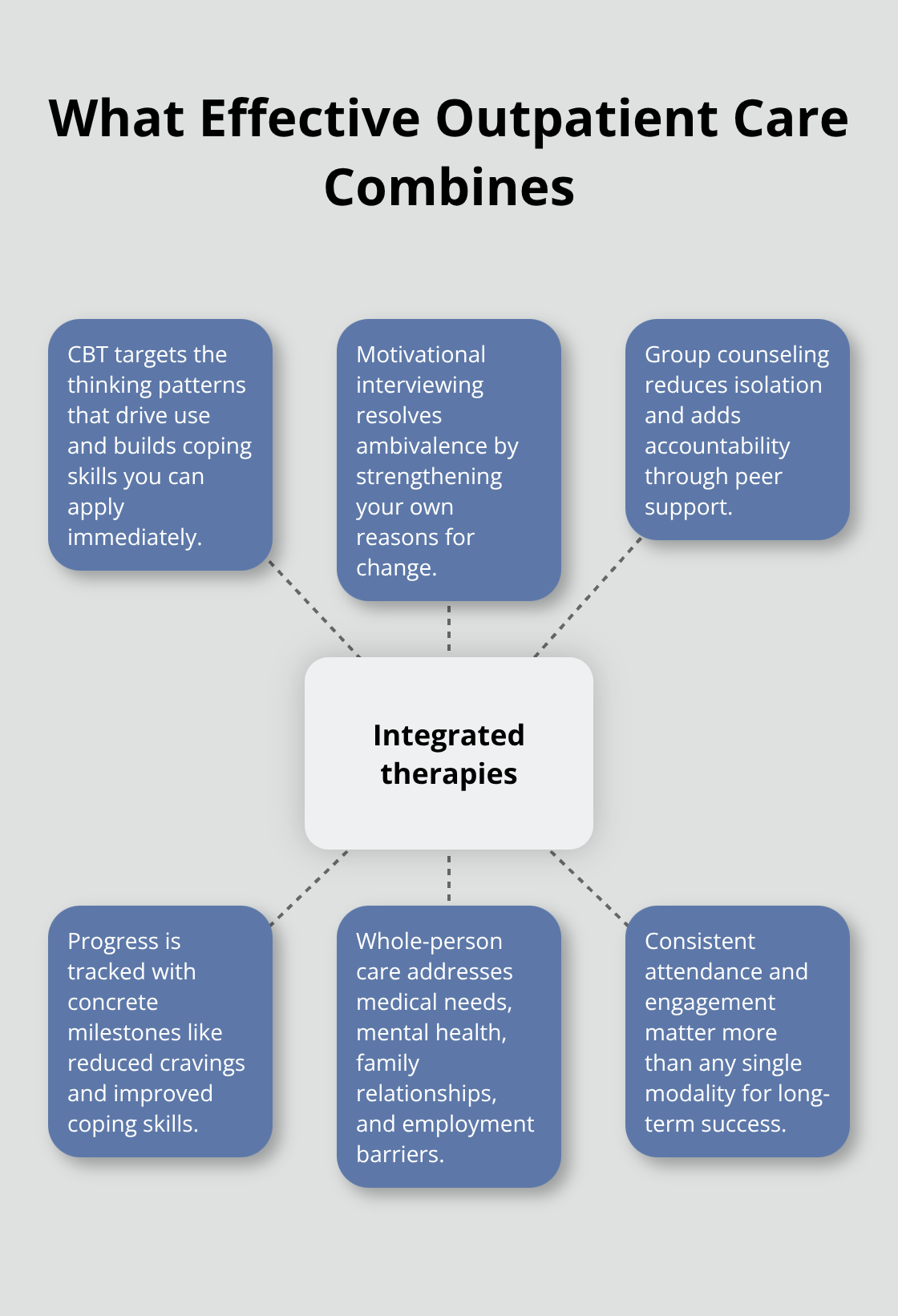
The National Institute on Drug Abuse emphasizes that treatment must address the whole person, meaning your program should integrate these therapies while also addressing medical needs, mental health conditions, family relationships, and employment barriers that fuel relapse. Your commitment to showing up matters more than which specific therapy dominates, but programs combining all three give you the strongest foundation for staying clean after treatment ends.
Evaluating Program Quality and Fit
When you assess outpatient programs, look beyond therapy names and ask how each facility measures progress and tailors treatment to your specific circumstances. Programs that combine evidence-based therapies with personalized milestones and comprehensive services set you up for success-and this foundation becomes essential as you move forward to selecting the right program for your unique recovery needs.
How to Choose the Right Outpatient Program
Match Your Addiction Severity to the Right Intensity Level
Selecting an outpatient program starts with honest assessment of your addiction severity and current stability. If you’ve completed detox and maintained some stability, standard outpatient care under 9 hours weekly works. If you’re in early recovery with high relapse risk or unstable housing, an intensive outpatient program requiring 9 to 20 hours weekly is non-negotiable. Most people underestimate their needs because they want the cheaper or less demanding option, then fail within weeks because the program lacks the structure they actually require. Your intensity choice must reflect your real situation, not your wishful thinking.
Verify Evidence-Based Therapies and Program Credentials
Next, verify that your program offers evidence-based therapies, not generic counseling. Ask directly whether they deliver cognitive behavioral therapy, motivational interviewing, and group counseling as core components. Programs combining all three produce measurably better outcomes than those relying on a single approach.
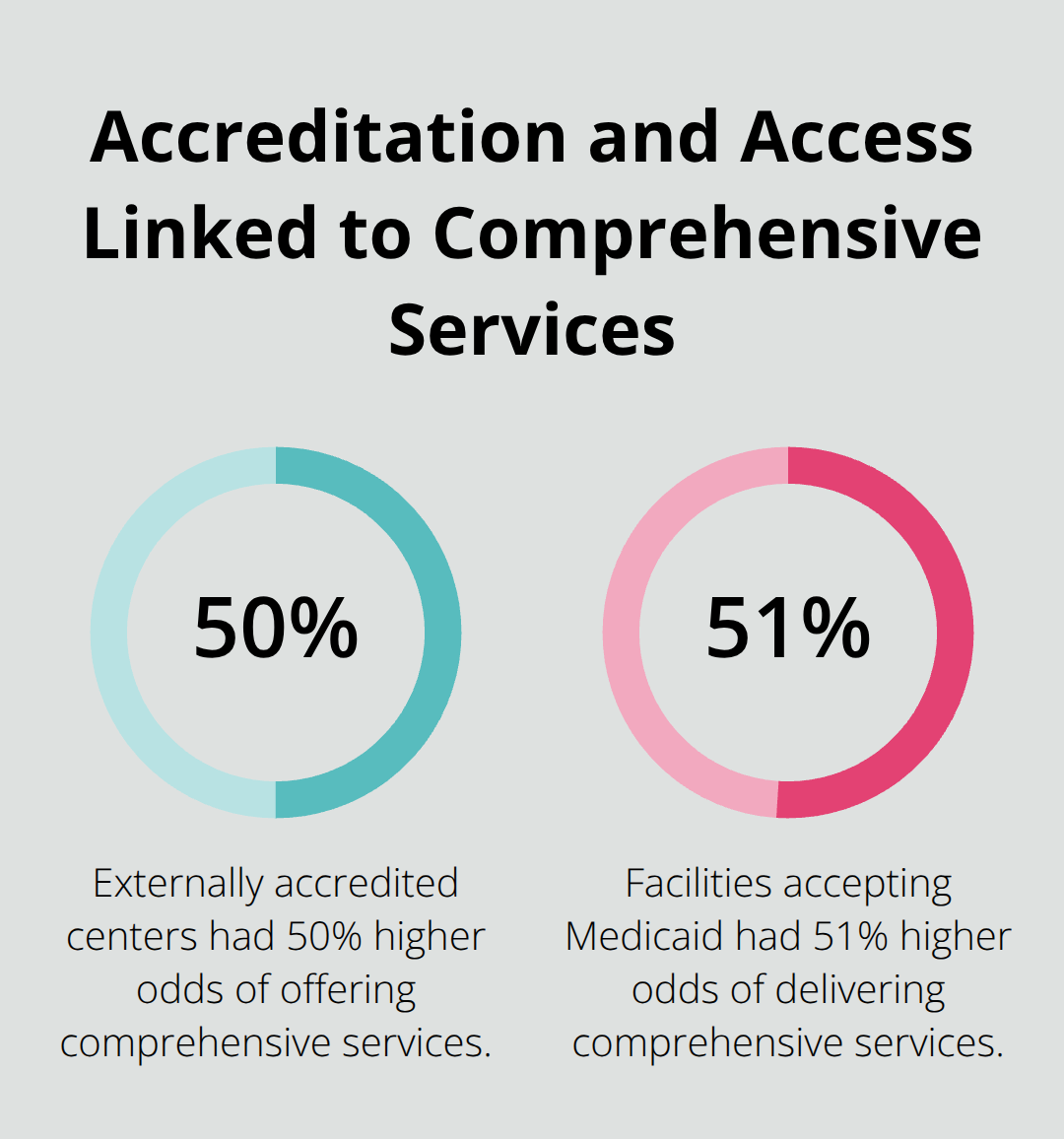
When you evaluate credentials, prioritize CARF accreditation, which signals that the facility meets recognized standards for personalized, evidence-based care. A 2024 study examining 13,793 outpatient facilities found that externally accredited centers had 50% higher odds of offering comprehensive services spanning medical, behavioral health, social support, and care coordination compared to non-accredited facilities. That difference matters significantly.
Assess Comprehensive Services and Community Integration
Facilities accepting Medicaid showed 51% higher odds of delivering comprehensive services, and those providing naloxone and overdose education had 3.5 times higher odds of offering integrated care. These metrics indicate whether your program actually coordinates treatment across multiple domains or just offers individual therapy in isolation. Ask your potential program whether they measure progress through concrete milestones like reduced cravings and improved coping skills, or whether they rely on vague check-ins.
Facilities engaged in community outreach had double the odds of comprehensive service delivery, suggesting they understand the broader recovery ecosystem beyond their walls. This commitment to community connection often translates to better aftercare planning and sustained recovery support after your formal treatment ends.
Confirm Scheduling Flexibility and Treatment Modalities
Finally, confirm that scheduling works for your life. Virtual and telehealth options eliminate transportation barriers that derail many people mid-treatment, but verify that your program uses telehealth alongside in-person sessions rather than as a complete substitute, since research shows that combined approaches work better than telehealth alone for sustaining engagement. The program you select should offer flexibility without sacrificing the structure and accountability that recovery requires.
Final Thoughts
Outpatient addiction treatment options work because they meet you where you are, whether you choose an intensive program requiring 9 hours weekly, a standard format with flexible scheduling, or virtual sessions from home. Your commitment to showing up and engaging with evidence-based therapies matters far more than which specific program structure you select. Assess your addiction severity honestly, match it to the right intensity level, and resist the temptation to choose a program that’s cheaper or easier if your clinical situation demands more structure.
Verify that your program delivers cognitive behavioral therapy, motivational interviewing, and group counseling as integrated components, not isolated offerings. Prioritize facilities with CARF accreditation and comprehensive services spanning medical care, behavioral health, social support, and care coordination, since research shows these programs deliver measurably better outcomes. Aftercare planning, ongoing therapy, and connection to peer support groups like Alcoholics Anonymous or Narcotics Anonymous sustain sobriety after your program concludes.
Addiction is a treatable chronic disease requiring personalized, evidence-based care tailored to your specific circumstances. If you’re ready to explore outpatient addiction treatment options that fit your recovery goals, contact us to discuss which program structure and intensity level matches your needs.